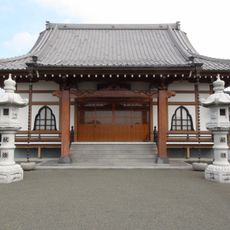
Homi-jinja, Shinto shrine in Japan
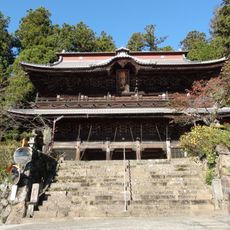
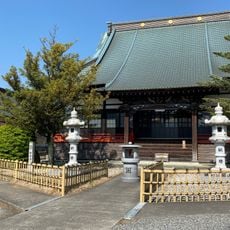
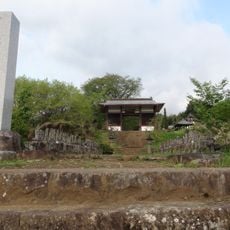
Homi-jinja stands on the northeast slope of Mount Kushigata in the mountain hamlet of Takao, Minami-Alps. Its main hall is a three-bay nagare-zukuri building of 5.10 m by 3.20 m with a ridge height of 9.30 m, roofed in copper on a dry-stone base. The kagura hall of 1891 has irimoya roofs on four sides with karahafu gables and carvings of the four directional deities.
The shrine is listed in the Engishiki as a possible shikinaisha of Kai Province. Its main hall was rebuilt in 1665 in a Momoyama-influenced early Edo style and designated a prefectural tangible cultural property in 1965. A bronze hanging mirror image dated 1233, now a prefectural cultural property, bears an inscription naming the "Three Princes".
The shrine is known across Yamanashi and beyond as a place to pray for business prosperity, capital provision and sericulture; kō associations from Tokyo and Nagano make pilgrimages here. Its deity is Ukemochi no Kami. On 22 November each year the Taishi kagura dance is performed and is a Minami-Alps intangible folk cultural property.
Homi-jinja sits in the mountain hamlet of Takao on the northeast slope of Mount Kushigata, reached by road up the mountain. The former Kurashikamachi station of the Yamanashi Kotsu tram line, abolished in 1962, once brought worshippers here. The shrine is known for prayers for business prosperity and sericulture, and groups called Takao-ko travel from Tokyo and Nagano to visit.
In the shrine grounds stands a wooden horse carving attributed to the Edo-period sculptor Hidari Jingoro, known as the "Takaobami." The shrine also keeps a bronze hanging mirror image dated to 1233, whose inscription names the "Three Princes" and the monk Benkei of the Okanjin Renshobo.
The community of curious travelers
AroundUs brings together thousands of curated places, local tips, and hidden gems, enriched daily by 95,355 contributors worldwide.