Fukushima Inari-jinja, Shinto shrine in Japan
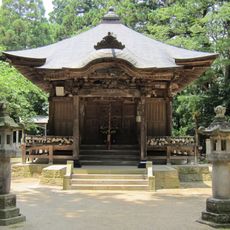
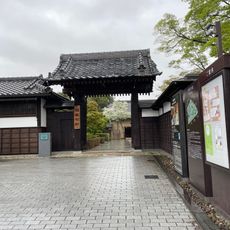
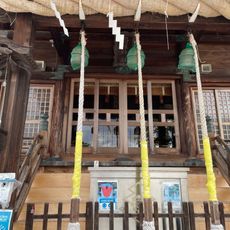
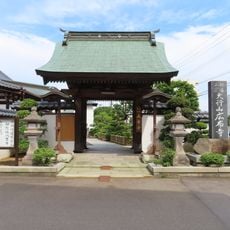
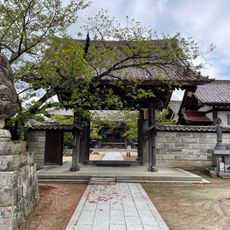
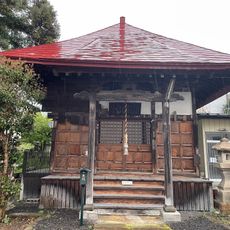
Fukushima Inari-jinja is a Shinto shrine at the center of Fukushima City dedicated to Inari, the rice deity, and ranks among the city's largest shrines. The grounds are marked by distinctive red torii gates and feature stone fox statues, stone lanterns, and a simple main building with wooden beams that follows traditional Japanese design.
The shrine traces its origin to 987, when Abe no Seimei is said to have invited the Shita Myojin deity to the region. The current main hall was completed in 1938, designed by Oe Shintaro, who also worked on the Meiji Jingu treasure house and Kanda Shrine. Two cypress torii were moved here from Meiji Jingu in 1966.
The shrine is dedicated to Inari, the deity believed to bring prosperity and good fortune, and visitors leave offerings and write wishes on wooden plaques here. The red torii gates at the entrance create a sacred passage, and during festivals traditional music and drums resound through the grounds.
The shrine is located about 12 minutes walk from Fukushima Station and is open daily to visitors. The best time to visit is in the morning or late afternoon when the place is quieter, though during the major festivals in October and New Year's Day significantly more crowds gather.
The shrine's wooden fox statue, the Goshinkitsune, was donated in the 1740s under the rule of Fukushima domain lord Itakura Katsusato. It was damaged in the 11 March 2011 earthquake and restored on 1 September 2021, returning to its original colours based on traces of a Meiji-era repair.
The community of curious travelers
AroundUs brings together thousands of curated places, local tips, and hidden gems, enriched daily by 95,269 contributors worldwide.