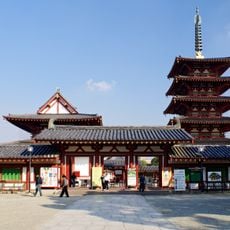
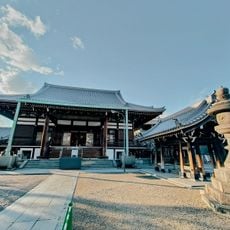
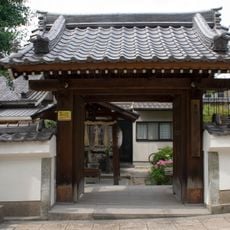
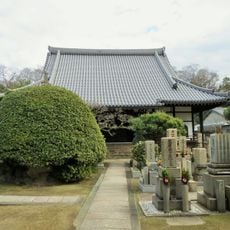
Shōryō-e Bugaku, Traditional Buddhist dance ceremony at Shitennō-ji Temple, Japan
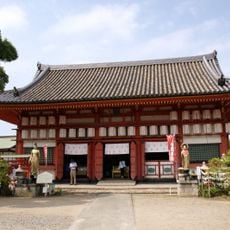
Shōryō-e Bugaku is a Buddhist dance ceremony at Shitennō-ji Temple in Osaka where dancers execute precise movements on a square platform while wearing ornate costumes and masks. The performance is accompanied by traditional court music and includes multiple dance segments such as Soriko, Shishi, Bosatsu, and Karyobin.
This dance form originated in the early periods of Japanese Buddhism as a way to honor Prince Shotoku, who founded Shitennō-ji Temple in 593. The dance has been preserved and practiced continuously over the centuries as an expression of this early Buddhist devotion.
This dance form is maintained and taught by the Tennoji Gakuso group, passing skills from one generation to the next. The performances show how Buddhist teachings come alive through movement, costumes, and masks.
The ceremony takes place each year on April 22 and lasts approximately four and a half hours with multiple dance segments throughout. Visitors should plan for extended viewing time and come prepared to stand or sit for the full duration.
Children perform the Kochō dance wearing green robes embroidered with butterflies and silver crowns while carrying flowering branches. They move in specific patterns that make this dance segment visually striking and different from the other performances.
The community of curious travelers
AroundUs brings together thousands of curated places, local tips, and hidden gems, enriched daily by 91,999 contributors worldwide.