Chausuyama Kofun, Keyhole-shaped burial mound in Tennōji Park, Japan
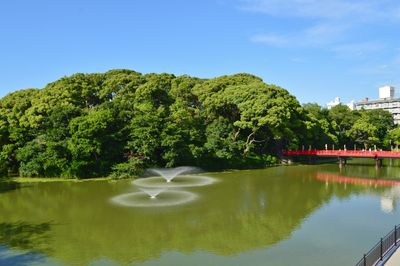
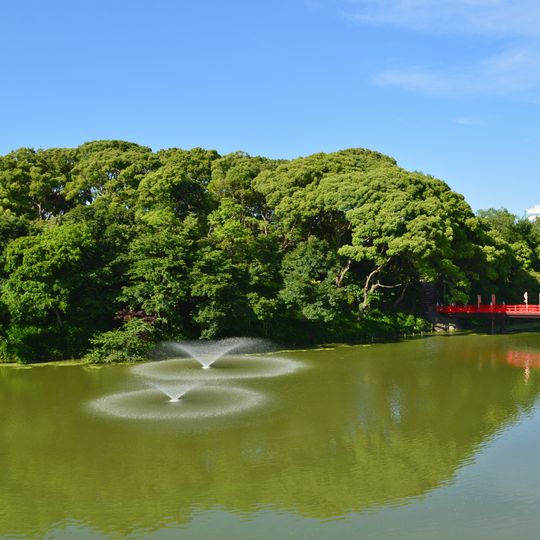
Chausuyama Kofun is a keyhole-shaped burial mound with a circular rear section and a rectangular front portion, spreading across a significant area. The structure displays the characteristic design typical of such monuments from the Kofun period, with clear divisions between its two main sections.
This structure dates back to around 500 CE and ranks among the significant burial monuments of the Kofun period. Its age demonstrates how important the site was for those who built it and how such monuments shaped the landscape over centuries.
This mound represented an important burial place for leaders, and its distinctive keyhole shape was a deliberate choice reflecting the status of those buried within. The form itself carried meaning for the people who built it, showing how they understood order and hierarchy in their world.
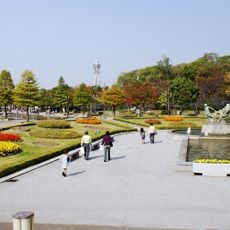
You can reach the mound through the adjacent park, which has pathways allowing you to explore the structure. Informational markers are placed around the site, making it easy to understand what you are seeing without advance preparation.
The mound ranks among the five lowest mountains in the city, even though it was completely constructed by human hands rather than formed naturally. This blend of human craftsmanship with the surrounding landscape makes it a curious local landmark.
The community of curious travelers
AroundUs brings together thousands of curated places, local tips, and hidden gems, enriched daily by 90,873 contributors worldwide.