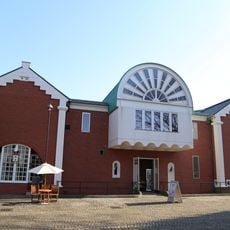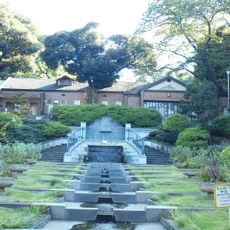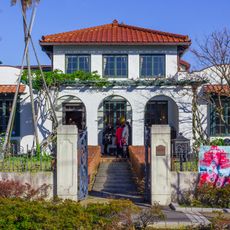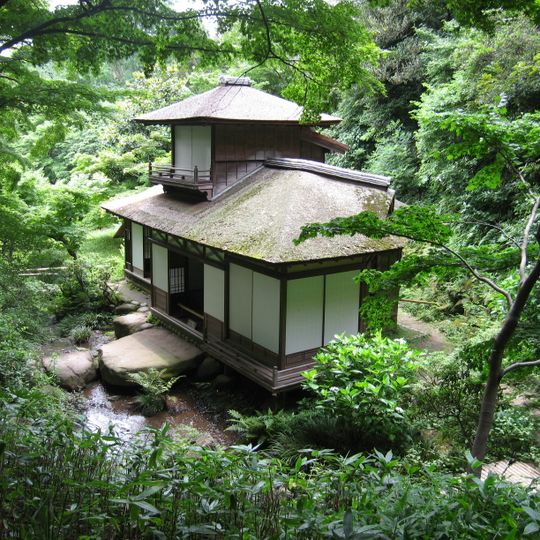
Chōshūkaku, Traditional teahouse in Sankei-en, Japan
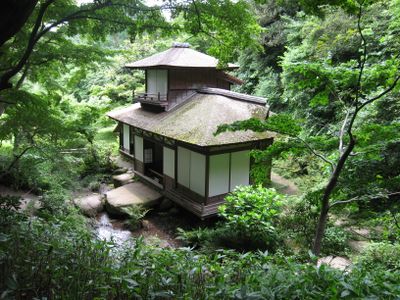
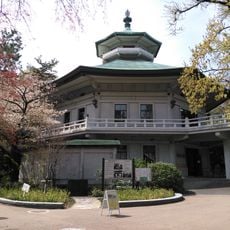
The Chōshūkaku is a traditional teahouse in Sankei-en featuring wooden beams and structural details that showcase Japanese design principles. It sits at the foot of a small valley and displays the sukiya-zukuri style with carefully selected materials and construction methods.
Built in 1623 in Osaka as Hashuken Kaisho, the structure was relocated to Sankei-en around 1917 through the efforts of Tomitaro Hara. This move preserved the building and integrated it into the garden setting.
The teahouse reflects Japanese aesthetic principles through its sukiya-zukuri style, where wooden details and natural materials create the proper setting for tea ceremonies. Visitors notice how the design encourages quietness and connection with the season.
The teahouse is typically open during spring and autumn seasons when natural surroundings are most striking. Visitors should wear comfortable shoes since the site involves walking through garden paths and navigating the valley terrain.
The name means pavilion for experiencing autumn sounds, referring to falling leaves and migratory birds passing through. This poetic title reflects how the teahouse was designed to open visitors' awareness to seasonal changes and natural sounds.
The community of curious travelers
AroundUs brings together thousands of curated places, local tips, and hidden gems, enriched daily by 92,385 contributors worldwide.