Funai-jinja, Shinto shrine in Japan
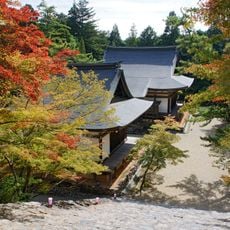
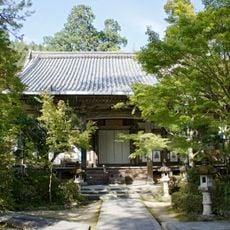
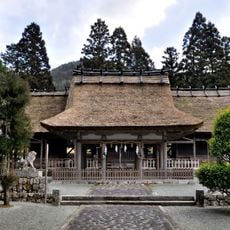
Funai-jinja is a small Shinto shrine in Nantan with a simple, well-maintained layout featuring a main hall surrounded by mature trees and stone lanterns. The wooden structures display traditional Japanese architecture with sloped roofs, and a tall torii gate marks the entrance to the sacred grounds where a stone path guides visitors through the space.
According to shrine tradition, Funai-jinja was founded after Empress Jingū prayed to Sumiyoshi Myōjin during the Korean campaign. A predecessor shrine stood at the Okonomori mound about 500 m northwest until a flood of the Ōi River in 705 moved it to the present Kayamori site. It appears in the 927 Engishiki register of shrines in Funai District, Tanba Province; the main hall burned in 1832 and was rebuilt in 1835.
Funai-jinja is dedicated to the Sumiyoshi sanjin, deities believed to protect travelers and sailors, connecting the shrine to beliefs that extend beyond the local area. Visitors leave small offerings and coins as part of daily practice, linking the community to long-standing patterns of prayer and gratitude that define shrine visits throughout Japan.
The shrine is easily accessible from nearby areas and can be visited as part of a gentle walk or quiet visit, especially outside peak times. Visitors should move at a relaxed pace, watch their footing on stone paths, and treat the space respectfully while taking time to observe the well-maintained grounds.
The shrine belongs to a special group called Shikinaisha, meaning it is historically integrated into a larger network of Japanese religious sites that extends beyond local visibility. This membership underscores its role in preserving ancient worship practices, even though it remains today a quiet place untouched by crowds.
The community of curious travelers
AroundUs brings together thousands of curated places, local tips, and hidden gems, enriched daily by 94,594 contributors worldwide.