Suminomiya-jinja, Shinto shrine in Japan
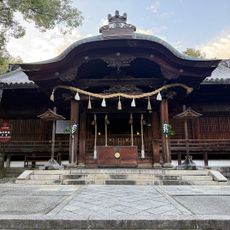
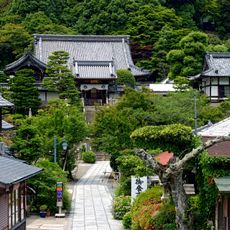
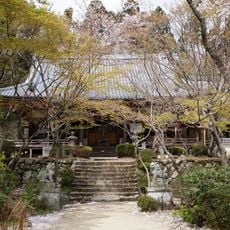
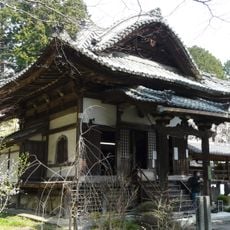
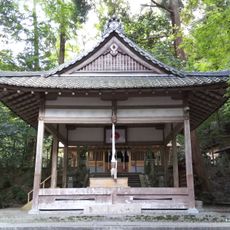
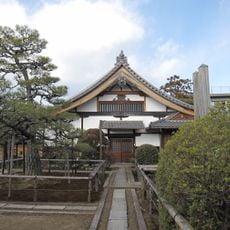
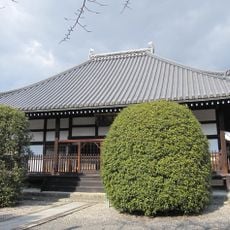
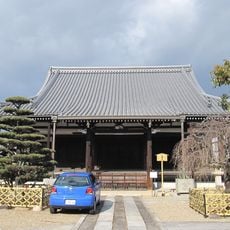
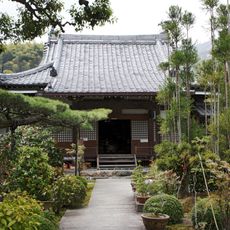
Suminomiya-jinja is a Shinto shrine in Nagaokakyō, Kyoto Prefecture, built in Shinmei-zukuri style. The honden has a raised floor of plain wood, a gently sloping roof, and chigi and katsuogi logs on the ridge. It enshrines Honoikazuchi-no-kami with Tamayorihime-no-mikoto, Kamo Taketsunumi-no-mikoto, Ikumeiribikoisachi-no-mikoto and Kasuga-no-kami.
First recorded in the Shoku Nihongi under the entry for the eighth day of the seventh month of Taihō 2 (702), when the court sent offerings to pray for rain. The shrine burned down in the Jōkyū War of 1221 and stayed unrestored for over 250 years. In 1484 it was rebuilt on its present site and became the tutelary shrine of Inouchi; in 1873 it was ranked as a village shrine.
The shrine serves as a gathering place where locals come together for festivals and seasonal rituals throughout the year. Visitors participate in simple practices like hand and mouth purification, bowing, and clapping, which are part of daily spiritual life and help keep traditions alive within the community.
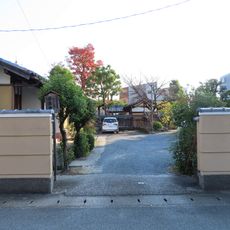
The shrine stands in the Innai district of Nagaokakyō, a short walk from the JR Nagaokakyō area, and is reached on foot through residential streets. There is no admission charge and no fixed visiting hours; the grounds are open freely. The shrine was re-established on this site in 1484, so the present location is the one to look for rather than any earlier site.
The shrine is rebuilt completely every few decades as part of a ritual renewal practice that keeps the sacred space fresh while maintaining its ancient form. This tradition of periodic reconstruction connects visitors to thousands of years of Japanese architectural heritage in a tangible way.
The community of curious travelers
AroundUs brings together thousands of curated places, local tips, and hidden gems, enriched daily by 94,657 contributors worldwide.