Yōkoku-ji, Buddhist temple in Nagaokakyō, Japan
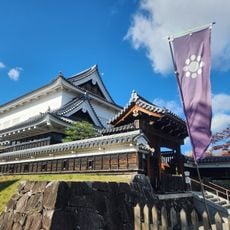
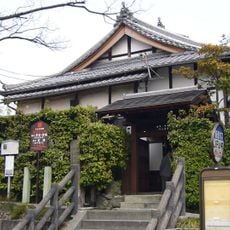
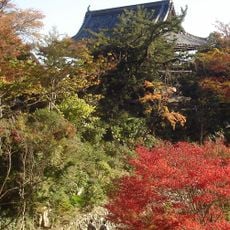
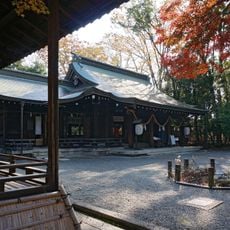
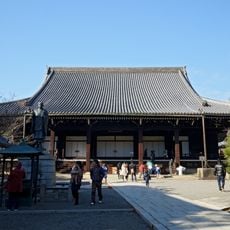
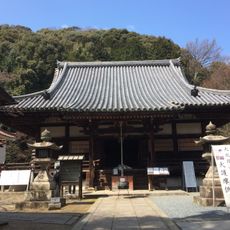
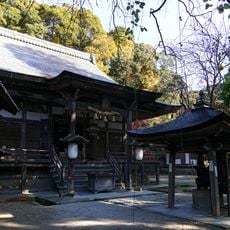
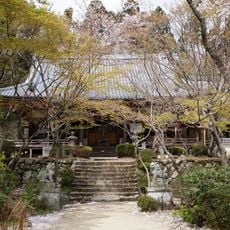
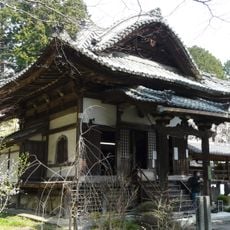
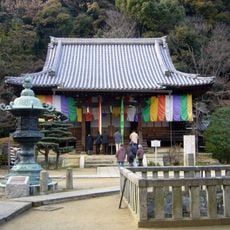
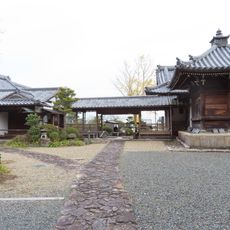
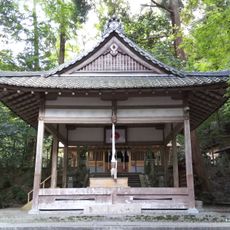
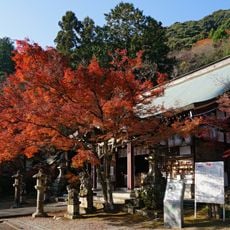
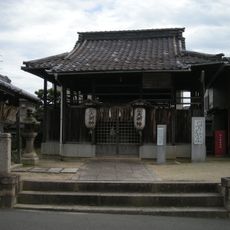
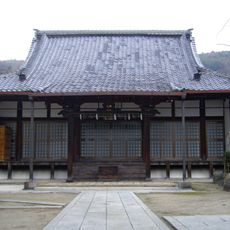
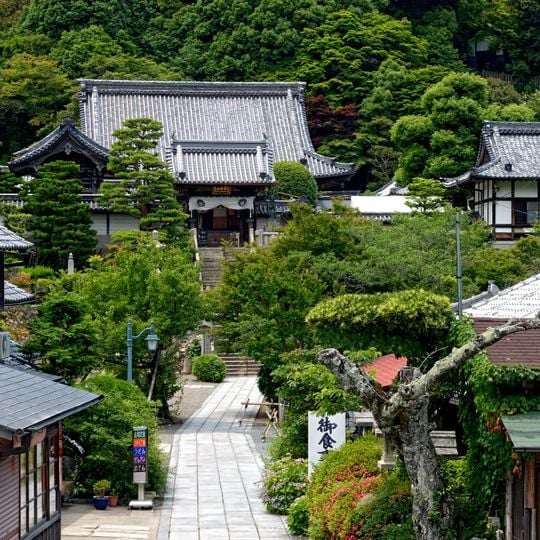
Yōkoku-ji is a temple of the Nishiyama branch of Jōdo Buddhism in the Jōdotani district of Nagaokakyo, Kyoto Prefecture. Its hillside grounds are terraced like a hinadan doll platform, with a four-legged gate, the main hall housing a wooden Thousand-Armed Kannon, an Amida hall, a Jizō hall and the Oku-no-in sanctuary. A corridor lined with hydrangeas connects the upper and lower areas.
According to temple tradition, the temple was founded in 806 by Enchin, the founder of Kiyomizu-dera, who found a Kannon image in a willow-filled valley. Kūkai is said to have visited in 811 and to have healed a monkey's eye with the spring water, which became known as Okōzui. In the Edo period the water was offered to the imperial court after Emperor Reigen's eye illness was cured.
The temple is known as the birthplace of hana-chōzu, the practice of floating flowers in the water basin before the main hall; it began here in 2017 and spread nationwide during the COVID-19 pandemic. The main image, a wooden Thousand-Armed Kannon, is displayed on the 17th and 18th of each month, and the 17th is the temple's regular observance day.
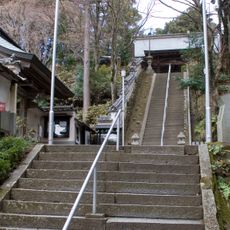
The approach is a steep climb: from the stone lanterns at the foot, the pilgrim path is marked every chō (about 109 m) by stones, with thirteen stone Miroku Buddhas on the slope. From Nagaokakyō Station or Nishi-Yamadayama Station take a taxi, or a bus to Oku-Kaiji and walk about 40 minutes. A shuttle bus to the gate runs only on the 17th.
The temple originated hanachōzu, the custom of floating flowers in the water basin at the entrance, first done here in 2017 and later spreading nationwide. The temple also bottles its Okōzui spring water, credited with healing eye ailments since Kūkai's 811 visit.
The community of curious travelers
AroundUs brings together thousands of curated places, local tips, and hidden gems, enriched daily by 93,394 contributors worldwide.