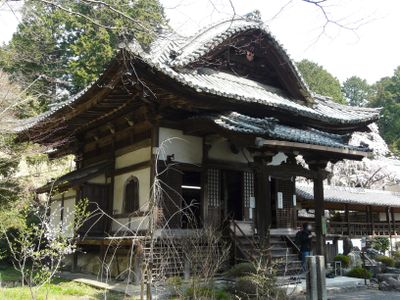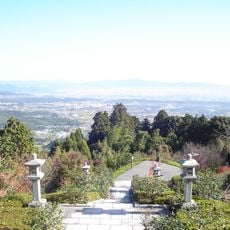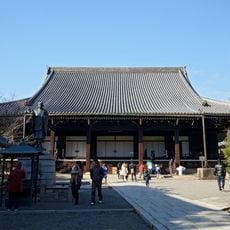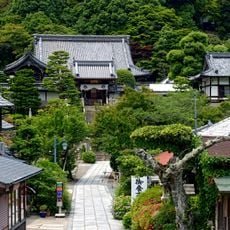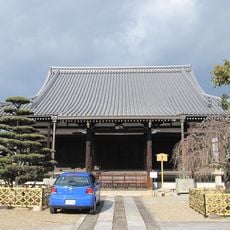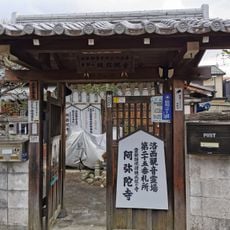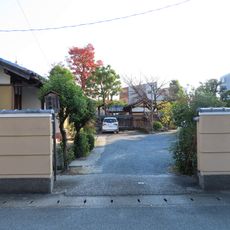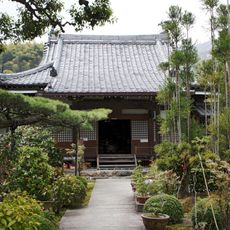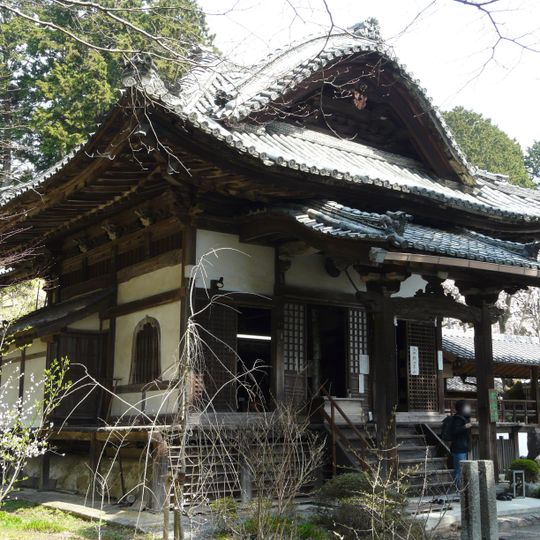
Jūrin-ji, Buddhist temple in Nishikyo District, Kyoto, Japan
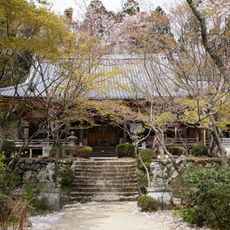
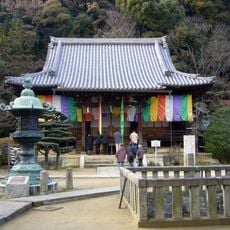
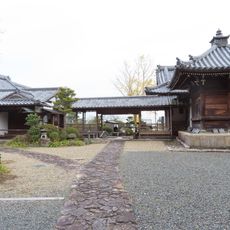
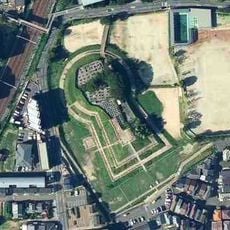
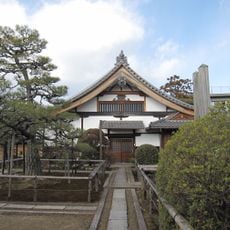
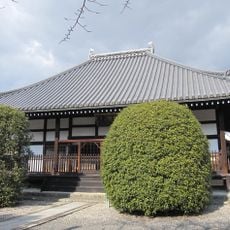
Jūrin-ji is a Buddhist temple in Nishikyō featuring a distinctive garden called Sanpo Fugan that is circled by elevated corridors and complemented by a tea room and palatial structures. The arrangement creates a unified spatial design where each element relates to the others.
The temple was founded in 850 by Emperor Montoku to offer prayers for safe childbirth for his consort. It houses a statue of Enmei Jizo Bodhisattva that was created by the priest Dengyo Daishi.
The site carries a poetic legacy tied to the renowned Heian period poet Ariwara no Narihira, who spent his final years here and inspired its popular nickname. This literary connection shapes how visitors experience the temple today.
The temple is open daily and located in the southwest part of Kyoto, making it a quieter option compared to central temples. Arriving in the morning is advisable to see the gardens in good light and avoid crowds.
An ancient weeping cherry tree with drooping branches creates a natural canopy over the central garden each spring, defining the seasonal experience at the site. This tree has grown for over two centuries and remains a focal point for many visitors.
The community of curious travelers
AroundUs brings together thousands of curated places, local tips, and hidden gems, enriched daily by 60,000 contributors worldwide.