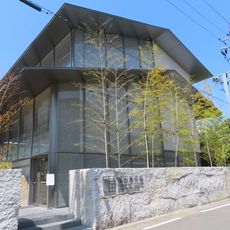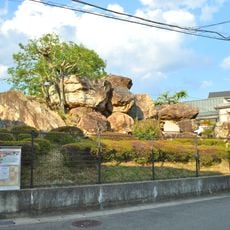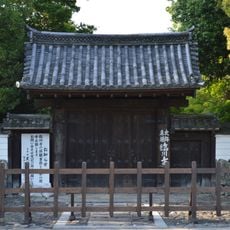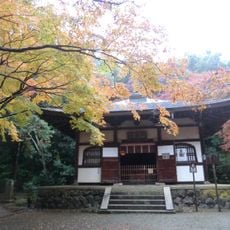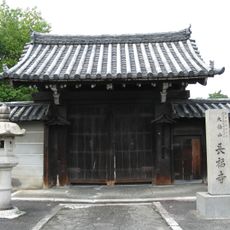
Jōjū-ji, Buddhist temple in Nishikyō Ward, Japan
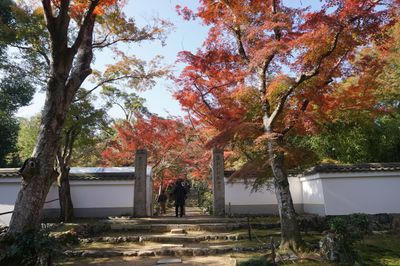
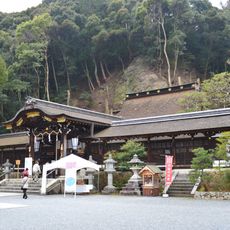
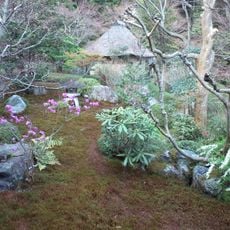
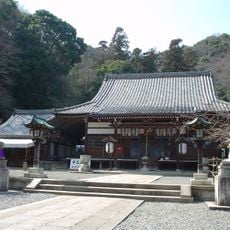
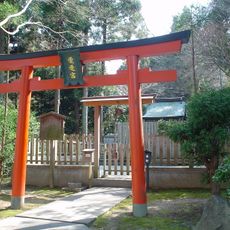
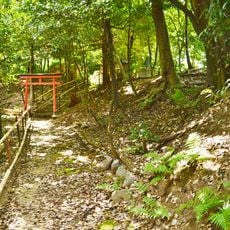
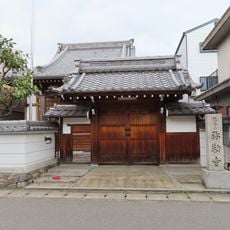
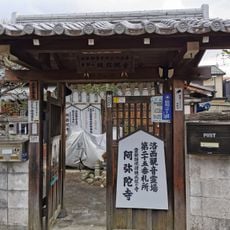
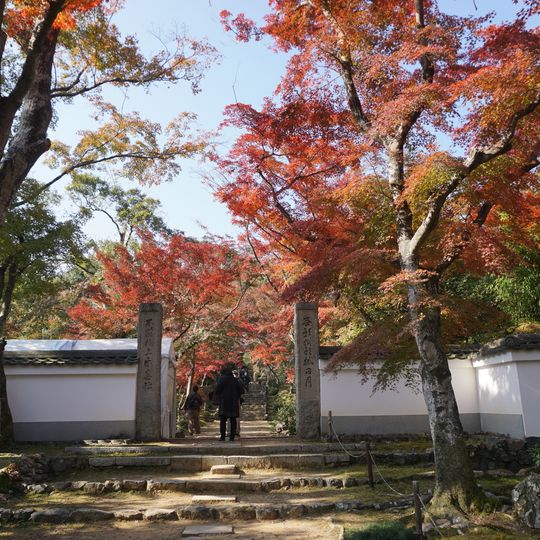
Jōjū-ji is a Buddhist temple in Kyoto situated among Japanese maple trees at the end of a residential street. The entrance is marked by a stone stairway, and the main hall was reconstructed in 1697.
The temple was established in 810 under order of Emperor Saga and initially belonged to the Tendai school. It later moved to the Obaku sect, which shaped its development over the centuries.
The temple buildings show Chinese architectural style in their design and layout. The circular windows in the main hall allow light to filter through in a distinctive way that creates an unusual visual effect inside.
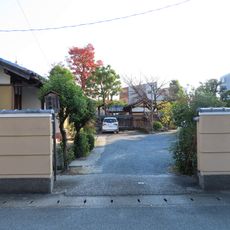
You can reach the temple by taking bus routes 73 or 63 toward Kokedera stop or walking about 10 minutes from Hankyu Kamikatsura station. Access is straightforward from busy areas nearby, but the location itself feels quiet and secluded.
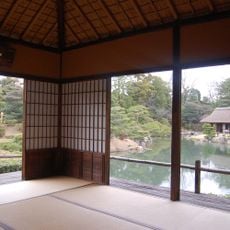
The Hojo hall contains secret passages and hidden wall mechanisms that date back to its time as a residence of Date Tsunamura, lord of Sendai domain. These concealed spaces tell a story of the building's former life outside its current role as a temple.
The community of curious travelers
AroundUs brings together thousands of curated places, local tips, and hidden gems, enriched daily by 91,899 contributors worldwide.