Chōfuku-ji, Buddhist temple in Ukyō-ku, Japan
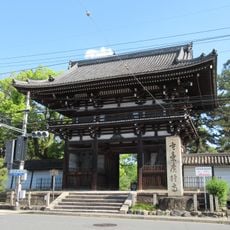
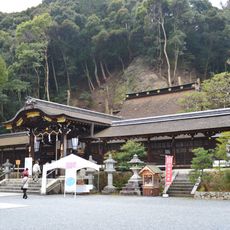
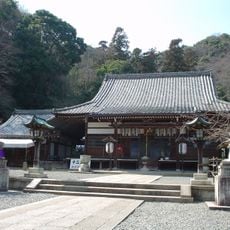
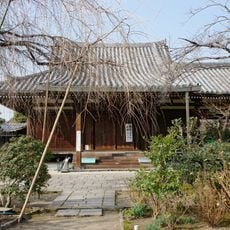
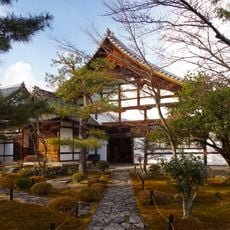
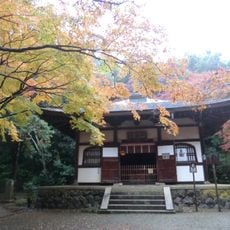
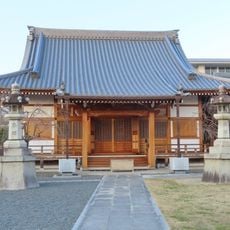
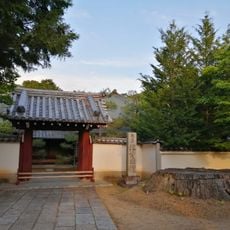
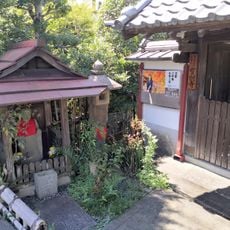
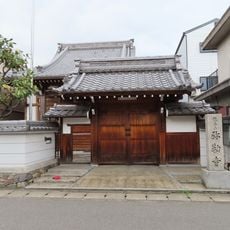
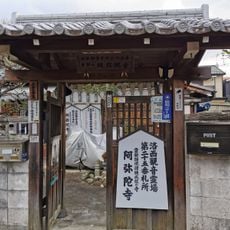
Chōfuku-ji is a Rinzai-sect temple of the Nanzen-ji branch in Umezu Nakamura-chō, Ukyō-ku, Kyoto, with the mountain name Daimaizan and Amida Nyorai as its principal image. Its grounds hold a Buddha hall rebuilt in 1695 with a lower pent roof, a main hall rebuilt in 1668, a bell tower and a front gate, all from the 17th century and designated Kyoto City tangible cultural properties. The Buddha hall is counted among the representative three-bay Zen-style halls of mid-Edo Kyoto.
The temple was founded in 1169 by Nun Shinri of the Umezu clan under the Tendai sect. In 1339, it shifted to the Rinzai sect when priest Getsurin Doko arrived to lead it.
The temple's name, Chōfuku-ji, belongs to the Rinzai school's Nanzen-ji branch and carries the mountain name Daimaizan. Its two National Treasures are a painted portrait of Emperor Hanazono by the artist Gōshin and a calligraphy by Kokurin Seishuku. Among the Important Cultural Properties are the temple's origin scroll and letters in the emperor's own hand.
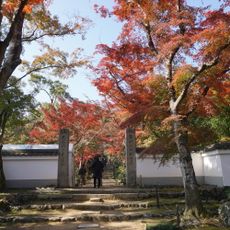
The temple stands at Umezu Nakamura-cho 37 in Ukyo Ward, about a 29-minute walk from Matsuo Taisha Station on the Hankyu Arashiyama Line. The precinct is entered through a 17th-century yakuimon gate, with the bell tower and main hall beyond it. The buildings are historic structures, so visitors view them from the outside and keep to the paths.
Emperor Kogon, the first ruler of the Northern Dynasty, designated this temple as an official location for Imperial prayers during his reign. This reflects the high regard the sanctuary held with the Imperial family.
The community of curious travelers
AroundUs brings together thousands of curated places, local tips, and hidden gems, enriched daily by 93,473 contributors worldwide.