Yakusen-ji, Buddhist temple in Hyōgo, Japan
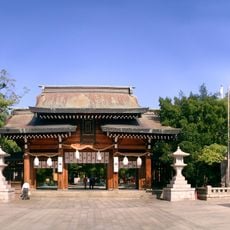
Yakusen-ji is a Jishū Buddhist temple in the Hyōgo ward of Kobe, in Hyōgo Prefecture. Its main hall was rebuilt in 1973 after World War II; of the seven original subtemples, only Fushō-in remains. The grounds hold a sacred spring, and the temple keeps a wooden seated Yakushi Nyorai from the Heian period.
According to temple tradition, Yakusen-ji was founded by Gyōki during the Tenpyō era (729–748) and in 746 held Japan's first segaki ceremony. The temple was originally Tendai; during the Enbun era (1356–1360) Reizan Kūa, eighth patriarch of the Jishū school, revived it and converted it to Jishū. Of seven former sub-temples only Fushō-in remains, and the current main hall was rebuilt in 1973.
Yakusen-ji is the first stop, number 1, on the Fukuhara Saigoku Sanjūsan Kannon pilgrimage, where the eleven-faced Kannon is venerated. The temple belongs to the Jishū school and holds a Heian-period seated Yakushi Nyorai statue, designated an Important Cultural Property in 1940, plus a coloured silk painting of the segaki rite from the Joseon dynasty.
The temple sits in a forested hillside area, so wearing appropriate footwear is recommended for the walking paths. Arriving early helps you experience the site in a quieter setting and allows more time to explore the grounds.
The temple's name comes from a spring in its grounds: returning from exile on Oki Island in the Kenmu era (1334–1337), Emperor Go-Daigo fell ill, and medicine prepared with this water cured him, earning the temple its name. The spring is still called Reisen, the miraculous spring.
The community of curious travelers
AroundUs brings together thousands of curated places, local tips, and hidden gems, enriched daily by 94,583 contributors worldwide.