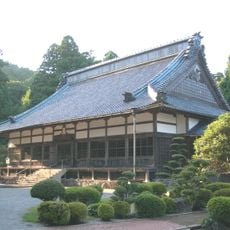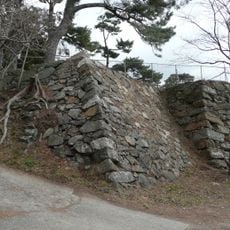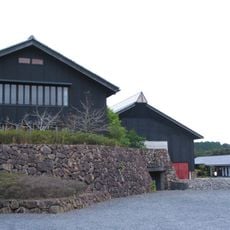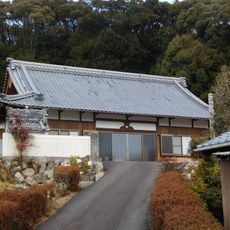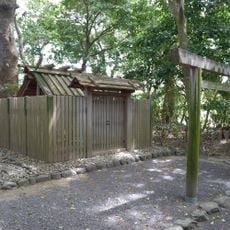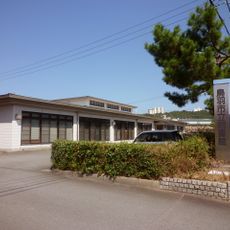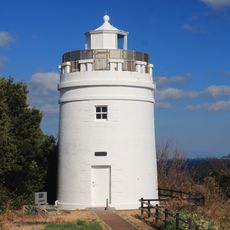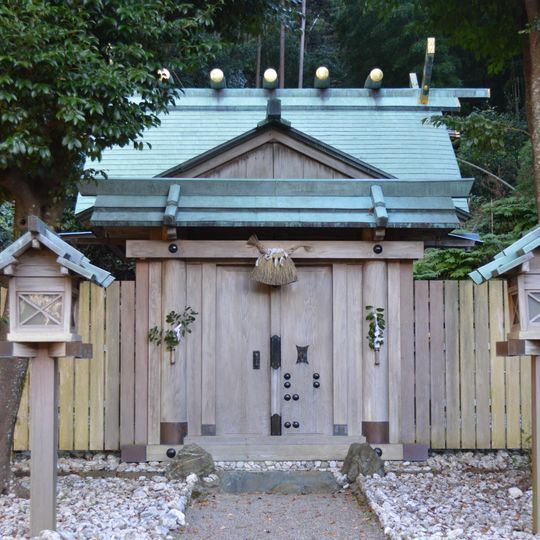
Kata Shrine, Shinto shrine in Japan
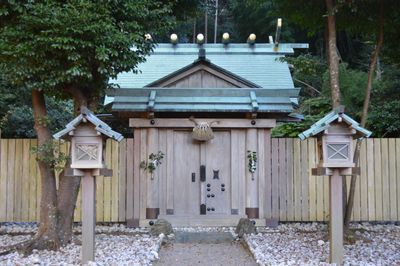
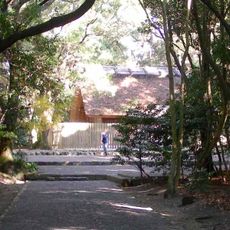
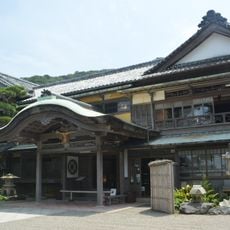
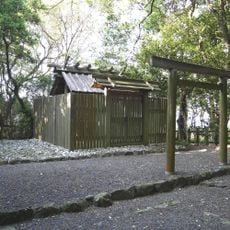
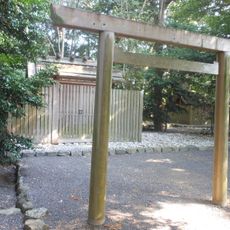
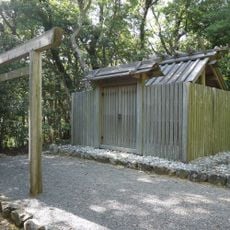
Kata Shrine is a Shinto sanctuary in Toba built in the Shinmei-zukuri style, one of Japan's oldest architectural traditions featuring straightforward lines and rectangular forms. The structures are primarily made of wood, especially Japanese cypress, with wooden beams and clean designs that have remained largely unchanged over many generations.
The sanctuary draws its design from rice storage buildings of the Yayoi period, spanning roughly 300 BC to AD 300, giving it a simple and functional appearance. A distinctive custom involves rebuilding the shrine completely every 20 years using original construction techniques, a practice that renews the structures and keeps traditional craftsmanship alive.
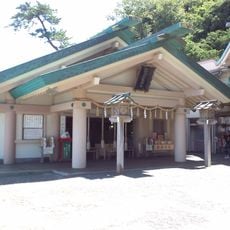
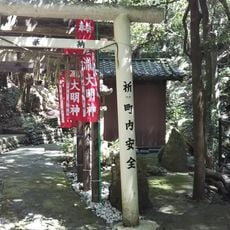
Kata Shrine serves as a gathering place where visitors honor the kami through prayer and offerings. You can observe people writing wishes on wooden plaques and performing ritual purification at water basins, practices that reflect the deep respect for nature and the spiritual world embedded in daily worship.
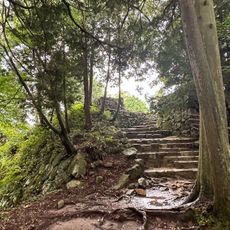
The shrine is surrounded by ancient cedar and cypress trees over 300 years old, so sturdy footwear is recommended for the forest paths. Visitors should allow time to walk slowly through the quiet grounds and absorb the atmosphere, as the place is designed for contemplation rather than rushed sightseeing.
Old wooden materials from the shrine are not discarded but sent to other sanctuaries across Japan, showing how resources are valued and traditions passed on. This cycle means that wood from this shrine may end up in distant temples, creating an invisible connection between sacred places.
The community of curious travelers
AroundUs brings together thousands of curated places, local tips, and hidden gems, enriched daily by 92,079 contributors worldwide.