大土御祖神社, Shinto shrine in Japan
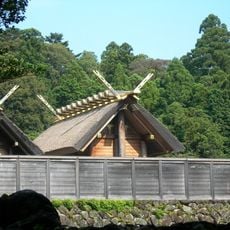
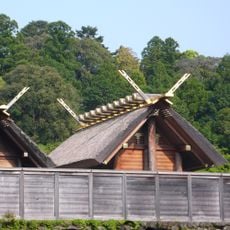
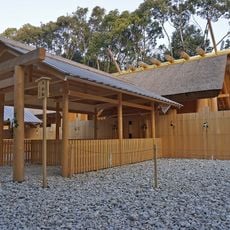
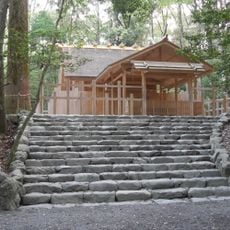
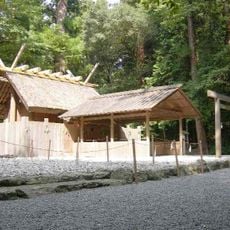
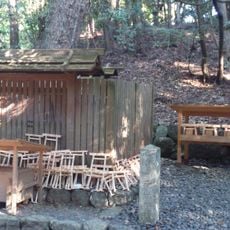
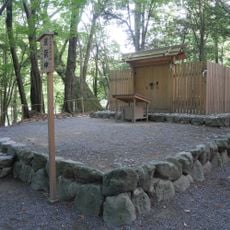
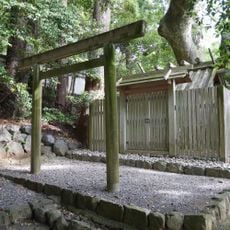
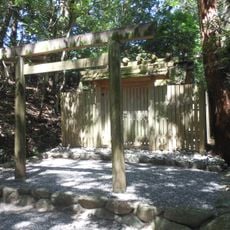
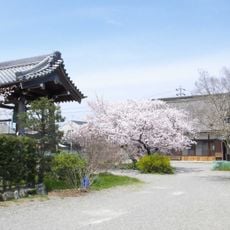
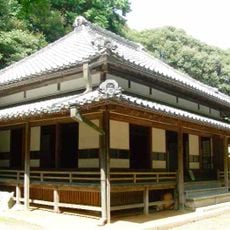
Ōtsuchi Mioya Jinja is a subsidiary shrine (sessha) of Ise Jingū's Naikū, located by the Isuzu Bridge in Kusube-chō, Ise. It shares a single south-facing Shinmei-zukuri hall with wooden board roofing with Uji-no-Nuki Jinja, a branch shrine (massha) of the Naikū. The hall stands inside a single tamagaki fence, and there is no offering box. The grounds, called Chaya no Mori, cover 370.87 tsubo (about 1,226 m²).
The shrine predates 927, when it was listed in the Engishiki jinmyocho, and it appears in the Kōtaijingū gishikicho, so it existed before 804. After worship lapsed in the Middle Ages, it was restored on 20 January 1664 by a ceremony transferring the deity; a 1664 petition records ten hōri priests. The hall was rebuilt in 1914, replaced in July 1959 and repaired in September 1982.
The shrine's own rite is the Otaue-sai, a rice-planting ceremony recorded in a 1739 text on the Grand Shrine's annual observances and absent from older documents. It lapsed in 1871, was revived in the late Taisho era with young people of Kusube serving, and is now kept by a local preservation society. After the planting, dancers perform the ta-mai pieces Hokori, Funakogi, Tou-mai and Fue-nanaori before the hall.
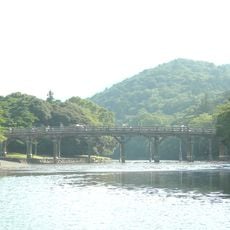
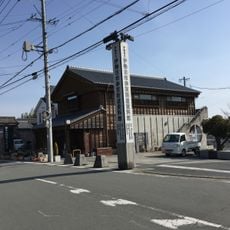
The shrine stands by the Isuzu Bridge in Kusube, Ise, with the Isuzu River just north of the grounds; a ditch about 1.5 m wide separates the entrance from the road. From Isuzu-kawa Station on the Kintetsu Toba Line it is about 13 minutes on foot (roughly 1 km), or take the Okage community bus to Shigo Elementary School and walk about a minute. There is no parking nearby.
The shrine grounds are called "Chaya no Mori"; a 1933 survey recorded locals pronouncing it "Chaya no Monsan". A camphor tree 98 cm in diameter grows along the approach, and a 1977 survey counted 258 trees of 13 main species, including kaya, maki and sugi.
The community of curious travelers
AroundUs brings together thousands of curated places, local tips, and hidden gems, enriched daily by 94,006 contributors worldwide.