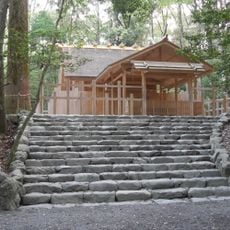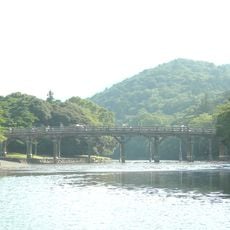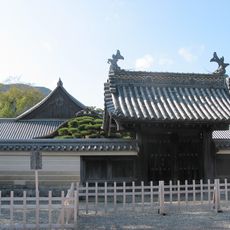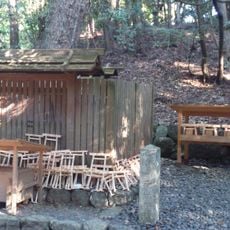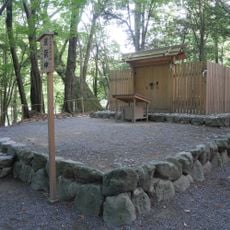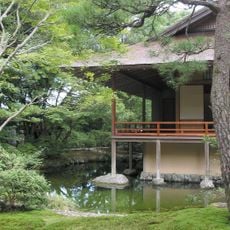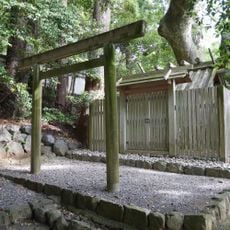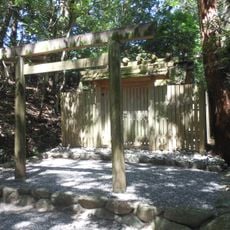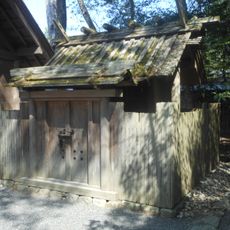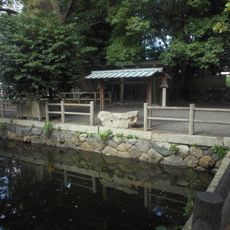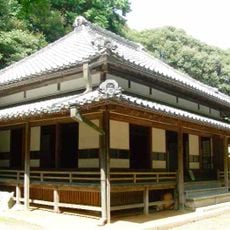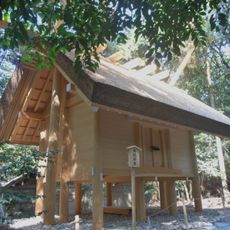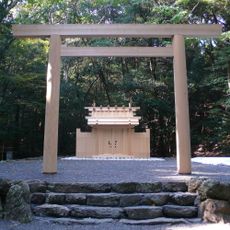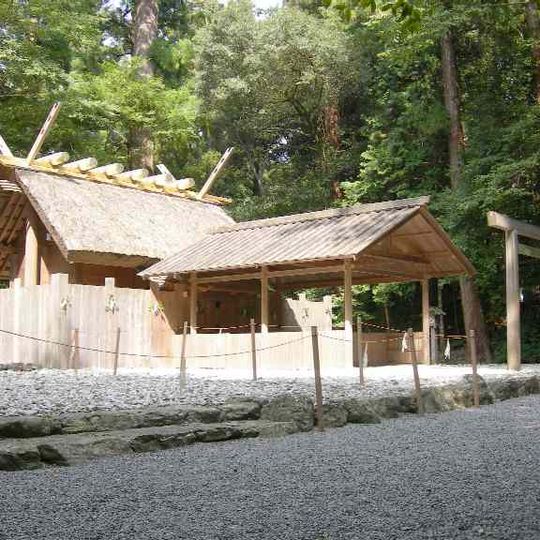
Kazahi Prayer Shrine, Betsu-gū shrine in Ise, Mie Prefecture, Japan
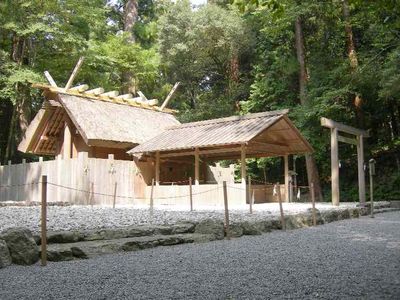
Kazahi Prayer Shrine is a small Shinto shrine near Ise built in the traditional Shinmei-zukuri architectural style. It features the straightforward wooden construction typical of this style, with simple lines and natural materials throughout.
First recorded in 804 as the small "Kaze no Yashiro" within the Naiku precinct, it was elevated to besshi-gū status in 1293 after prayers offered there during the Mongol invasions of 1281 were credited with a divine wind that repelled the enemy fleet. In 1863 the court held fifteen days of anti-foreign prayers at this shrine and at the outer shrine's Kazamiya.
The name Kazahi-no-Miya refers to prayer for wind and sun, and the shrine is dedicated to Shinatsuhiko-no-Mikoto and Shinatobe-no-Mikoto, deities of wind and rain. The Kazahinomi-sai rite is held on 14 May and 4 August to pray for favourable weather and a good harvest. The shrine stands within the Naiku precincts of Ise Jingu, in Uji-Tate-machi, Ise.
The shrine is located somewhat off the main paths and is best reached on foot using local routes. Entry is free and the site remains open year-round for visitors to explore.
The name Kazahi derives from kaze (wind): the shrine was raised to betsu-gū rank in 1293 after prayers there were credited with turning back the Mongol fleets of 1281. Its bridge over the Shimaji River, first built in 1498, has a giboshi finial inscribed with that date and the name of the patron, the actor Kan'ami.
The community of curious travelers
AroundUs brings together thousands of curated places, local tips, and hidden gems, enriched daily by 95,307 contributors worldwide.