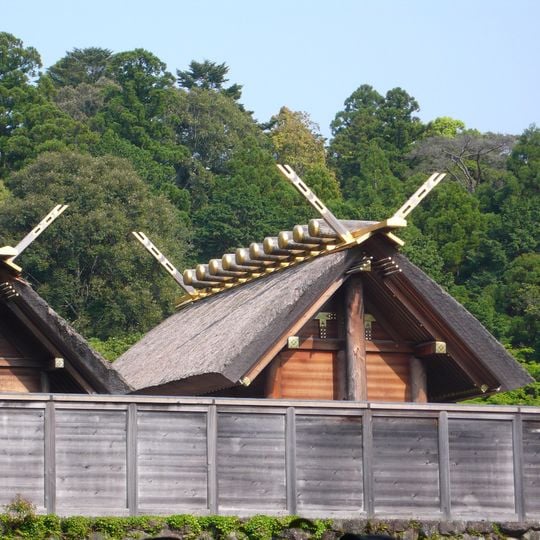
Kōtaijingū, Shinto shrine in Ise, Japan
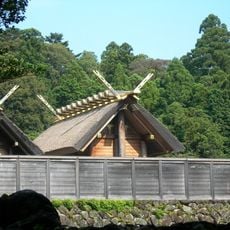
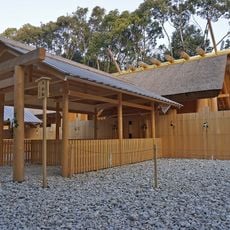
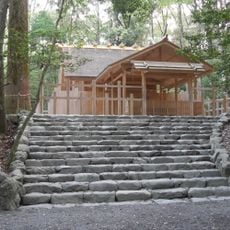
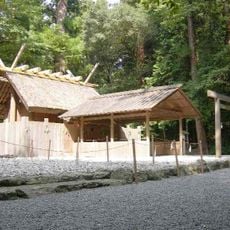
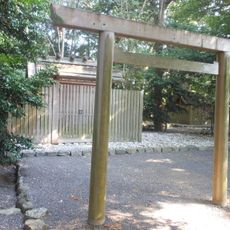
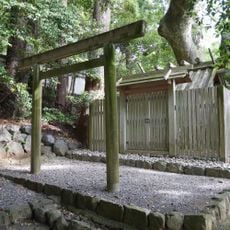
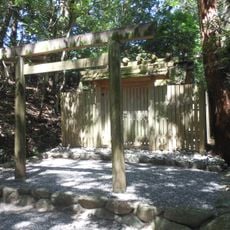
Kōtaijingū, the naikū of Ise Jingū in Ise, Uji-Tatecho, is enclosed by four fences: an outer board fence, outer and inner jewel fences, and a mizugaki. The main hall stands on a stone-stepped height in the shinmei-zukuri style, its thatched roof carrying crossed billets and forked gold-tipped finials; photography is allowed only below the steps.
The shrine was founded over 2000 years ago when an emperor moved the sacred mirror of the sun goddess from the imperial palace to Ise. This relocation established the site as one of Japan's most important religious centers.
The shrine's paper talisman, the Jingū taima, is the one distributed to shrines nationwide. Customarily, worship proceeds from the outer shrine, Toyouke-daijingū, to this inner shrine, the order called gekū-sensai; only the periodic rebuilding's transfer of the deity reverses it. Worshippers clap twice and bow twice, and the sacred chickens kept on the grounds are said to have crowed when Amaterasu left her cave.
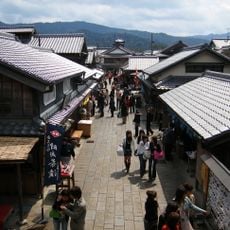
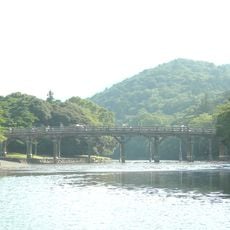
Visitors enter through the Uji Bridge and can purify themselves at the Isuzugawa River before viewing the main shrine from designated viewing areas. The inner sanctuary remains off-limits to the public, so respect the boundaries marked for visitors.
The entire complex undergoes complete reconstruction every 20 years, a process that preserves traditional building techniques and renews spiritual purity. This practice means the wood and structure never age, keeping the sanctuary in a timeless state.
The community of curious travelers
AroundUs brings together thousands of curated places, local tips, and hidden gems, enriched daily by 94,474 contributors worldwide.