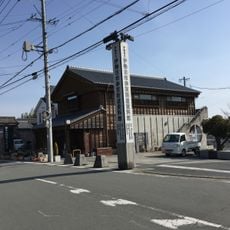
Ujōda-jinja, Shinto shrine in Japan
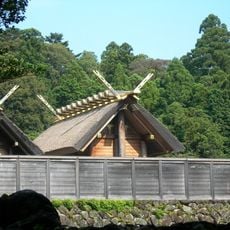
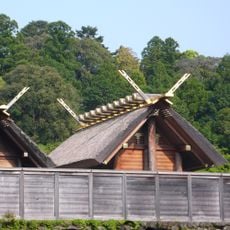
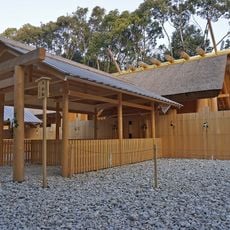
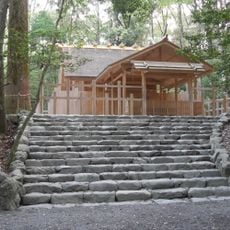
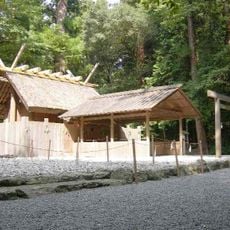
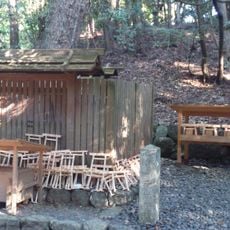
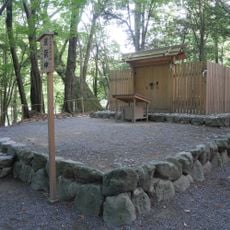
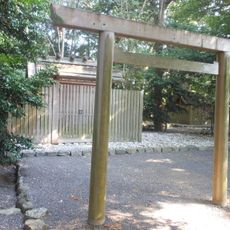
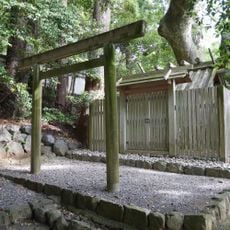
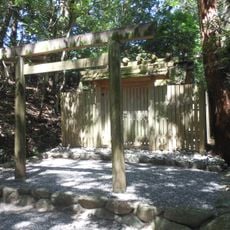
Ujōda-jinja is a small Shinto shrine in Ise, Mie Prefecture, standing on a low hill called Okitama-no-mori in the Nakamura settlement. Its shinmei-zukuri hall is enclosed by a tamagaki fence, and the ground around the building is covered with moss. No offering box is placed on the grounds. The shrine shares its site with Najime-jinja.
The shrine was built in the shinmei-zukuri style, one of Japan's earliest architectural traditions believed to have begun during the Yayoi period. Over centuries, this style remained rare, but it survived mainly in the Ise region, particularly in the main buildings of major shrines like Ise-jingu.
The shrine is one of two deities housed on the hill locals call Okitama-no-mori; the smaller Nashime-jinja shares the same hall, its own main sanctuary having lapsed. Both are attributed to Princess Yamatohime. The grounds are moss-covered and no offering box is placed before the hall, so visitors simply stand and pray at the fence.
The shrine sits on a small hill called Okitama-no-mori at the southwest edge of the Nakamura hamlet in Ise; the entrance is easy to miss, so look for the path up the wooded rise. From Isuzugawa Station on the Kintetsu Toba Line it is about 800 m south, or about 5 minutes on foot from the Nakamura-cho bus stop. A municipal Uji parking lot is nearby.
The main doors of the shrine, called Otobira, are often made from a single piece of very large wood that requires old, strong trees sometimes over 400 years old. Locals believe these ancient trees carry spiritual power, which is why they are especially valued for shrine construction.
The community of curious travelers
AroundUs brings together thousands of curated places, local tips, and hidden gems, enriched daily by 94,232 contributors worldwide.