Jingu Museum, History museum in Ise, Japan
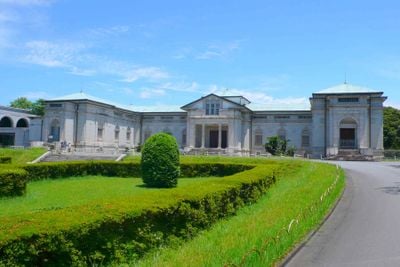
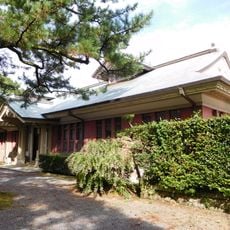
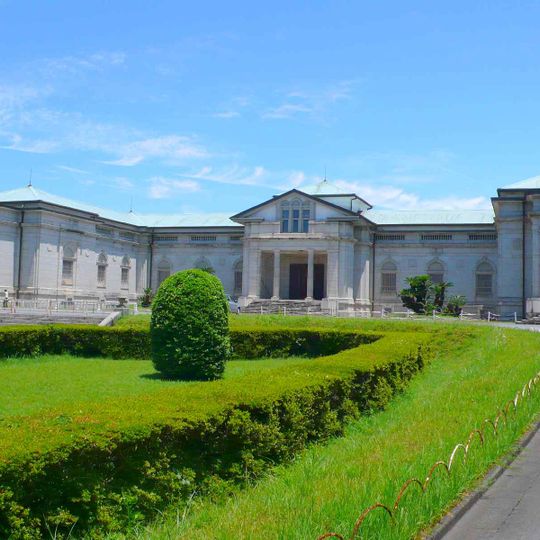
The Jingu Museum is a history museum in Ise dedicated to the sacred Ise Shrine, with rooms displaying artifacts, detailed models, and historical objects. The building itself was designed in a Renaissance style, which makes it stand out from the shrine architecture it documents.
The Shin'enkai association, led by Prince Arisugawa Taruhito, planned a history museum on Kuratayama hill in 1903; construction began in 1906 to a design by Katayama Tokuma and the museum opened on 29 September 1909 as Japan's first private museum. It was donated to Ise Shrine in 1911. The building burned in the 1945 air raid, leaving only the stone outer walls, and was restored for the 59th Shikinen Sengu in 1953 without its dome and guest room. It became a Registered Tangible Cultural Property in 1998.
The museum displays objects tied to the Shikinen Sengu ritual, in which the shrine buildings are fully rebuilt every 20 years. Walking through the rooms gives a sense of how deeply this idea of renewal runs through Japanese religious life.
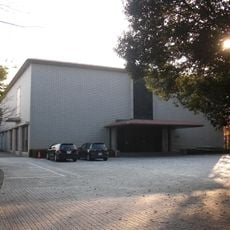
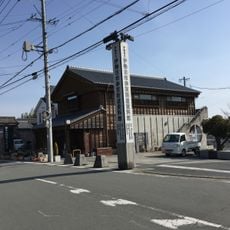
The museum stands about 1.2 km north of Isuzugawa Station on the Kintetsu Toba line, roughly 15 minutes on foot, and about 2.2 km from Iseshi Station on the JR Sangū line. Buses stop at Chōkokan-mae on Route 37 and the CAN bus enters the front garden. Parking is behind the art museum and a few spaces sit in front of the main building.
The museum displays a 1/20-scale model of the Naiku main sanctuary, along with doors, chigi and katsuogi finials taken from a sanctuary dismantled during a sengu. Some of the old sacred treasures replaced at each rebuilding are also shown, including the Sudari no Tachi sword.
The community of curious travelers
AroundUs brings together thousands of curated places, local tips, and hidden gems, enriched daily by 93,520 contributors worldwide.