Toyouke Daijingū, Sacred Shinto shrine in Ise, Japan
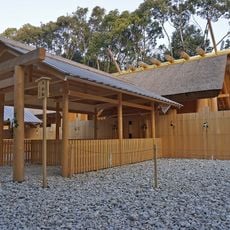
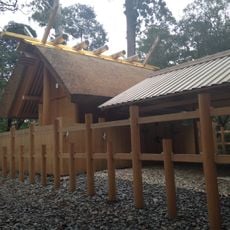
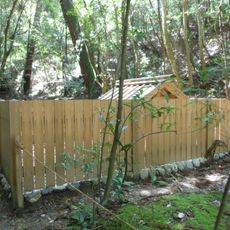
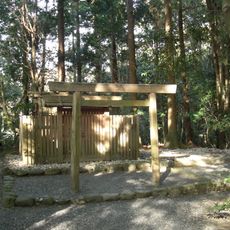
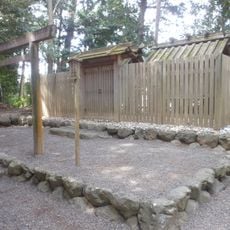
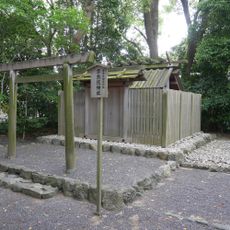
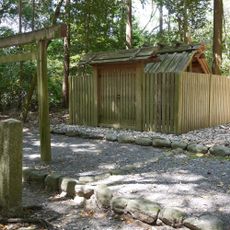
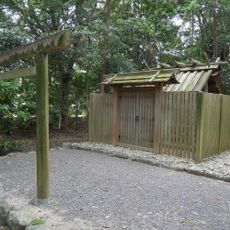
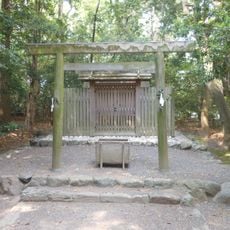
Toyouke Daijingū, the Outer Shrine (Gekū) of Ise Grand Shrine, stands in Toyokawachō, Ise. Its main hall follows Shinmei-zukuri style: unpainted wood, a steep thatched roof of dried grass with horizontal billets along the ridge and crossed finials at the peak, behind a low fence of vertical planks. The sanctuary is enclosed by four fences and cannot be seen directly from the worship area.
According to the shrine's own record, the Shoku Nihongi-era text Toyouke-gū Gishiki-chō (804), Emperor Yūryaku received a dream oracle from Amaterasu asking that Toyouke-Ōmikami of Tanba be brought near her. In the 22nd year of his reign (traditionally 478), the deity was installed at Yamada-hara in Watarai, 484 years after the Inner Shrine. The shrine was listed as "Watarai-no-miya, four seats" in the Engishiki and later became the center of Ise Shintō under the Watarai family.
The shrine is dedicated to Toyouke-Ōmikami, the deity overseeing harvests and sustenance, and visitors can observe how daily offerings are presented with care and reverence. The space plays a central role during seasonal festivals when rice and crops are offered in gratitude for abundance.
Visitors should use the main entrance at Daiichi-torii-guchi Sando and follow marked paths to reach the shrine areas. The grounds require respectful behavior and care when walking on uneven surfaces, especially during wet conditions.
Specialized craftsmen prepare daily sacred food offerings using traditional methods and sacred fire, a practice unchanged for centuries within these grounds. This hidden artisanal work often escapes visitor attention, yet shapes the spiritual rhythms of the sanctuary daily.
The community of curious travelers
AroundUs brings together thousands of curated places, local tips, and hidden gems, enriched daily by 94,368 contributors worldwide.