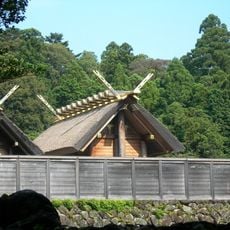
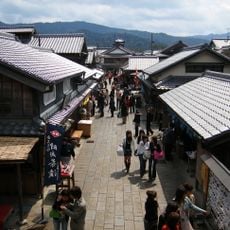
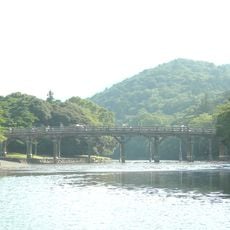
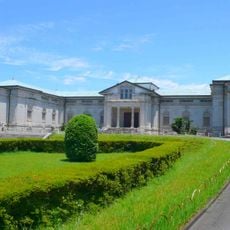
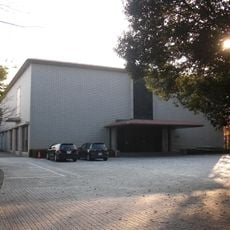
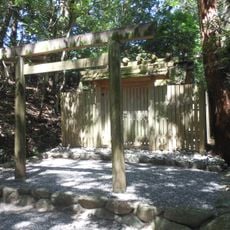
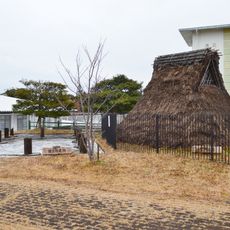
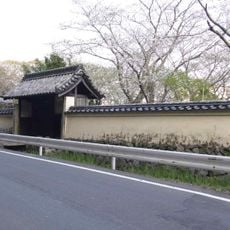
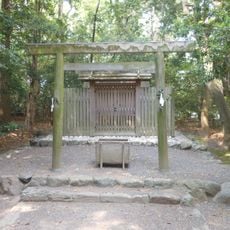
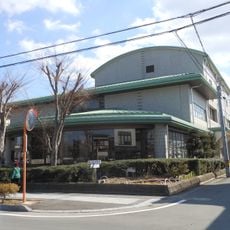
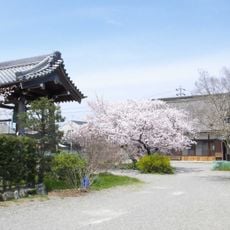
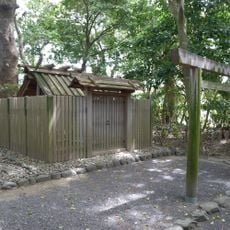
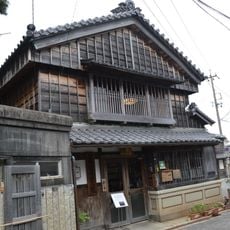
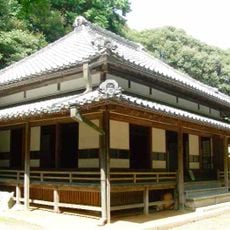
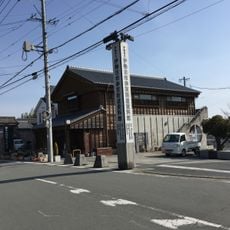
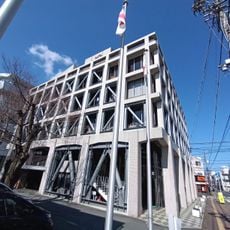
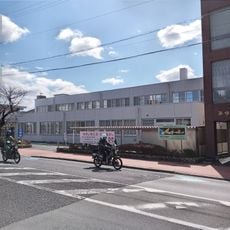
Jingū Bunko, Religious library near Ise Grand Shrine, Japan.
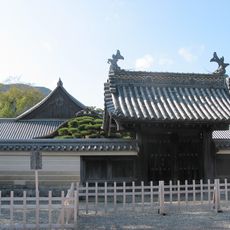
Jingū Bunko is a library in Ise, Mie Prefecture, founded in 1906 and opened in 1907 to hold the books of the Naikū and Gekū and the former Toyomiyazaki and Hayashizaki bunko. Its first building stood in Uji-Tatemachi; in 1925 a new building was completed on Kuratayama hill, and its gate is a 1935 move of a gate from the Fukushimamisakidayū residence. It holds about 300,000 volumes, mainly pre-Edo Japanese-bound books.
The library was founded in 1907 and grew from the merger of several earlier collections that had been preserved separately. This combination of materials created one of Japan's most important institutions for keeping Shinto writings and historical records together.
The name Jingū Bunko refers to a library run by Ise Jingū under Article 64 of the Jingū regulations, which sets out collecting, repairing and opening books on Japanese native culture to the public. Its shelves centre on history and literature of the shrine and Shinto, including the Kokin Wakashū poems offered to the two deities by emperors from Reigen to Kōkaku.
Jingū Bunko is open Thursday to Saturday, 9:00–16:00, and closed Sundays, public holidays and 29 December–7 January. No advance registration is needed; books are closed-stack, so search the catalogue or the reading-room computers and ask staff to retrieve items. There is no lending and no parking; the nearest station is Isuzugawa, about 1.2 km south.
The collection uses specialized categories organized differently from standard libraries to maintain focus on Shinto materials. This particular arrangement allows visitors to explore the layers of religious literature and practice in ways that typical library systems do not support.
The community of curious travelers
AroundUs brings together thousands of curated places, local tips, and hidden gems, enriched daily by 94,222 contributors worldwide.