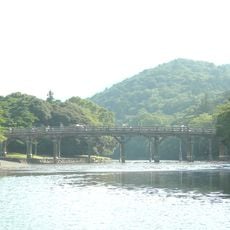
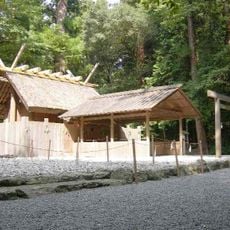
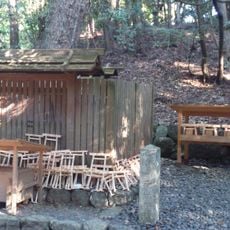
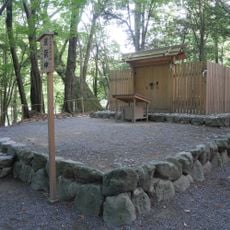
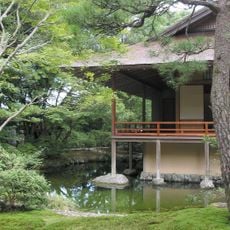
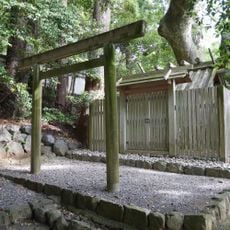
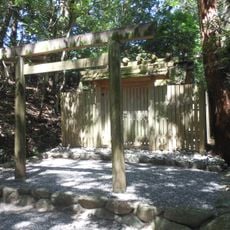
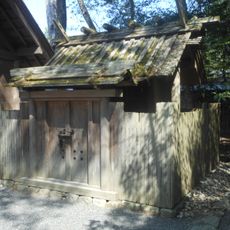
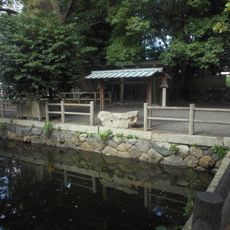
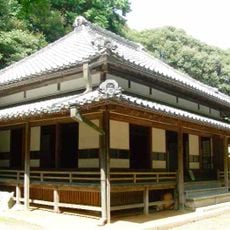
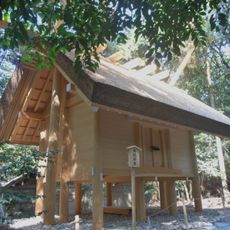
Ise Jingū, Shinto shrine complex in Ise, Japan.
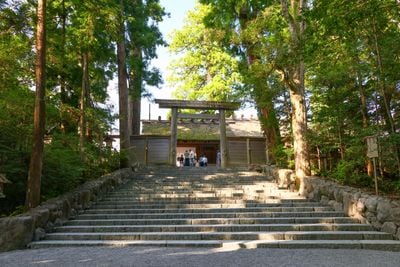
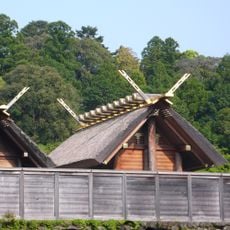
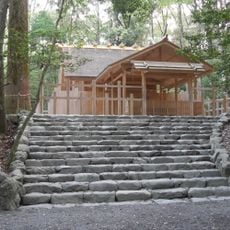
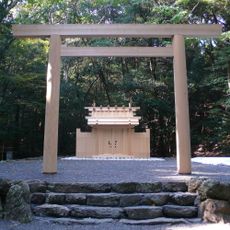
Ise Jingū is a shrine complex of two main sanctuaries, Naikū and Gekū, six kilometers apart, plus 123 other shrines. The central buildings are of solid cypress joined without nails, in Shinmei-zukuri style with thatched roofs; visitors see only the roofs above four tall wooden fences. A torii of unpainted wood stands at the top of a stone stairway.
According to the Nihon Shoki, Yamatohime-no-mikoto, daughter of Emperor Suinin, wandered for twenty years before founding Naikū at Uji-tachi, where the Isuzu river takes its name from the fifty bells she set up. The first shrine building was erected by Emperor Tenmu (678–686) and rebuilt ceremonially by Empress Jitō in 692; Gekū was founded after Emperor Yūryaku's dream. In 965 Emperor Murakami added Ise to the sixteen shrines receiving imperial messengers.
The community practices a tradition of rebuilding the main structures every twenty years, which links spiritual renewal with the transmission of ancient woodworking skills. Each reconstruction involves craftsmen who pass their knowledge to the next generation through hands-on participation.
The grounds open daily from sunrise to sunset, with separate entrances for each of the two main sanctuaries. Buses from Ise-shi Station bring visitors directly to both areas, each requiring several hours for a thorough walk through the grounds.
The inner sanctuary holds one of the three sacred treasures of Japan in an area that remains entirely hidden from public view. Only members of the imperial family and a few senior priests are permitted to enter this innermost space.
The community of curious travelers
AroundUs brings together thousands of curated places, local tips, and hidden gems, enriched daily by 92,080 contributors worldwide.