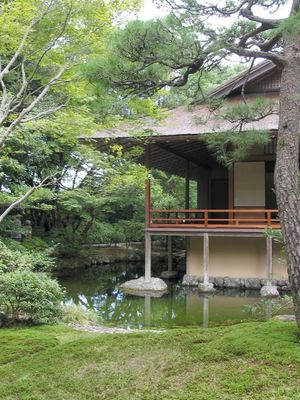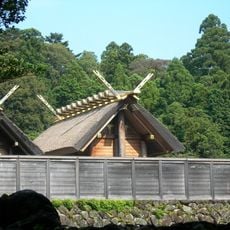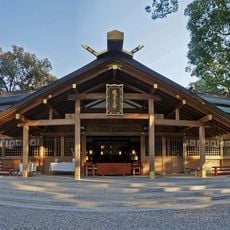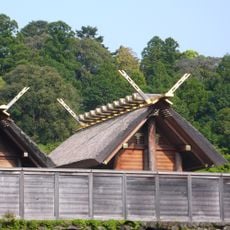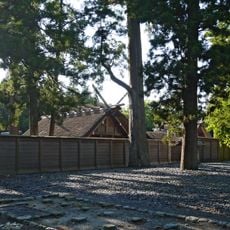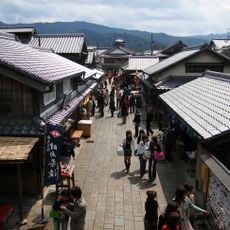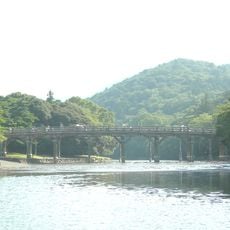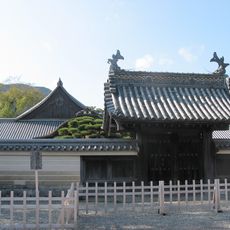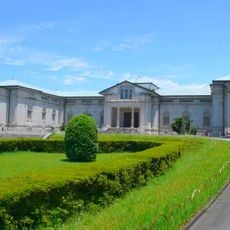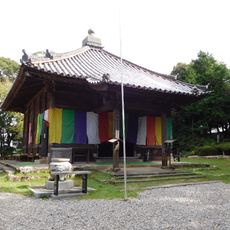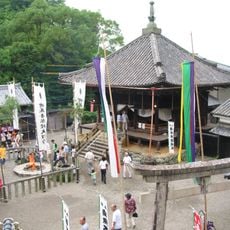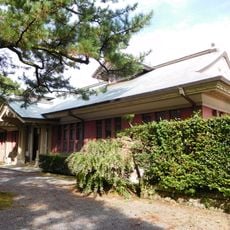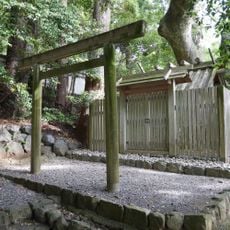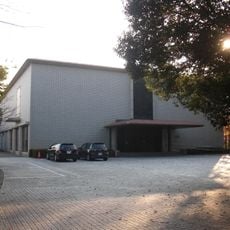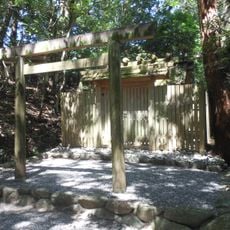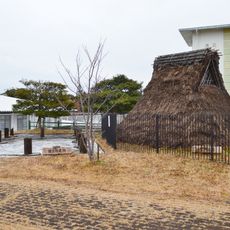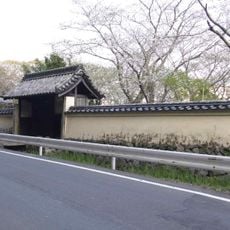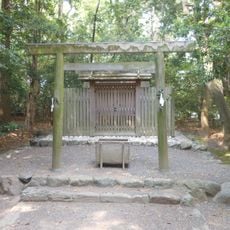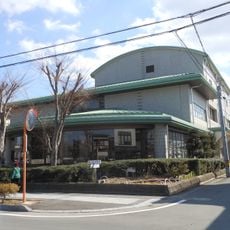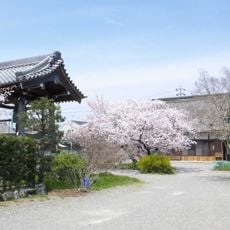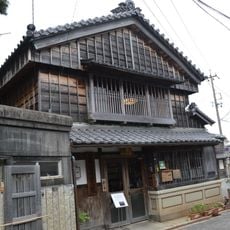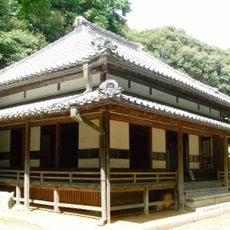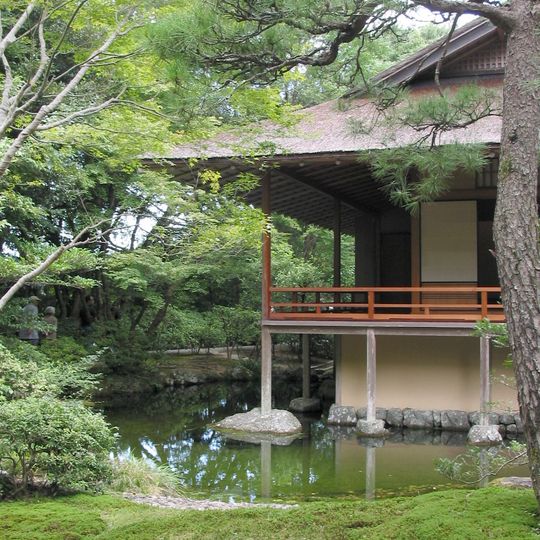
Jingū Chashitsu, Tea house in Kotai Jingu, Ise, Japan
Jingū Chashitsu is a tea house within the Kotai Jingu shrine, constructed with traditional Japanese features including sliding shoji windows, tatami mat floors, and a simplified interior layout. It contains a preparation area called mizuya and a main ceremonial space for tea rituals.
The building was established in 1985 and echoes design principles from the tea master Sen no Rikyu of the 16th century. These architectural ideas continue to shape how this space enables tea ceremonies today.
Visitors experience this tea house as a space where every gesture and movement follows a deliberate rhythm. The simplicity of the rooms directs all attention to the interaction between the host and guests.
The interior space naturally guides visitors from the entry area to the main room, with a low doorway creating a deliberate and measured approach. The shrine grounds are best explored on foot, and the tea room opens only for occasional events.
The building intentionally blends features from two distinct architectural styles, shoin-zukuri and sukiya-zukuri, to create a transitional space between the outer shrine and inner experience. This architectural blend often goes unnoticed by visitors but subtly shapes the entire experience.
The community of curious travelers
AroundUs brings together thousands of curated places, local tips, and hidden gems, enriched daily by 60,000 contributors worldwide.