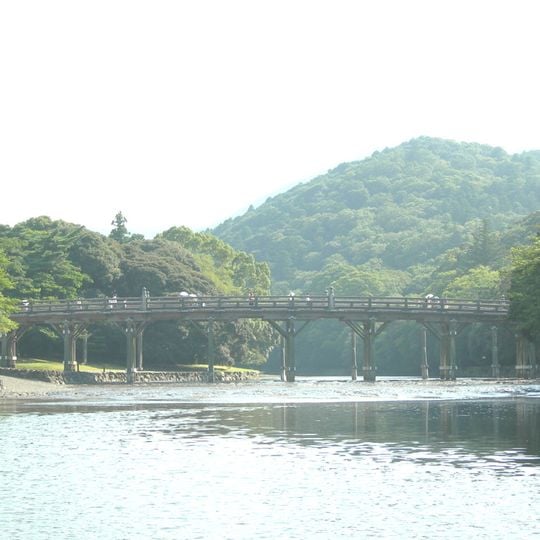
Uji Bridge, Wooden footbridge in Uji, Japan
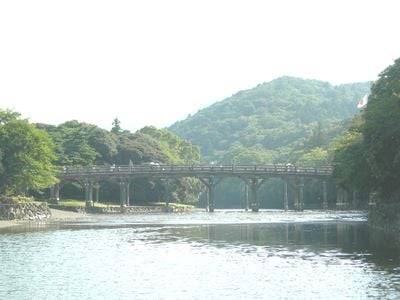
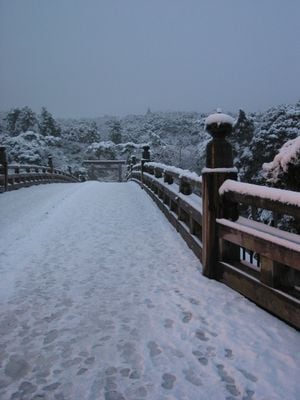
Uji Bridge is a wooden footbridge spanning approximately 102 meters across the Uji River, featuring traditional wooden railings decorated with bronze ornaments and supported by a concrete foundation. The structure connects the two riverbanks and provides access to nearby temples, tea houses, and other sites throughout the area.
The bridge was first built in 646 by the monk Doto from Nara's Gangoji Temple, making it one of Japan's three oldest bridges still in existence. Over the centuries, it has been rebuilt and reconstructed multiple times while maintaining its role as a vital crossing point.
The bridge appears in classical Japanese literature, notably the Tale of Genji and medieval poetry collections, making it a central symbol in the nation's literary heritage. This literary connection has shaped how people think about the crossing and the surrounding tea culture for over a thousand years.
The bridge is within easy walking distance from both JR Uji and Keihan Uji stations, making it convenient to reach by public transportation. The crossing itself is straightforward to navigate and leads naturally to temples and tea houses on either side of the river.
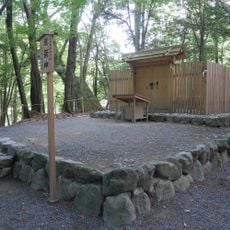
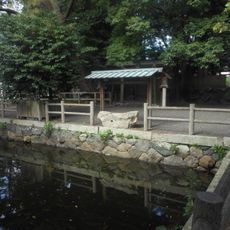
The bridge features a special platform called Sannoma on its upstream side, dedicated to the Bridge Princess deity believed to guard the crossing. This small area reflects the deep spiritual connection between the structure and the local religious tradition.
The community of curious travelers
AroundUs brings together thousands of curated places, local tips, and hidden gems, enriched daily by 91,651 contributors worldwide.