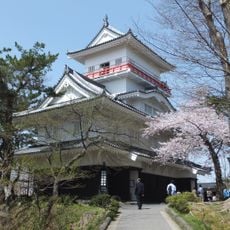
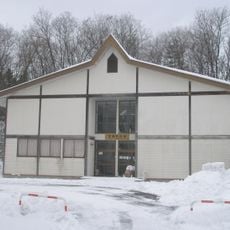
補陀寺, Buddhist temple in Akita, Japan.
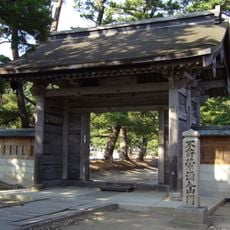
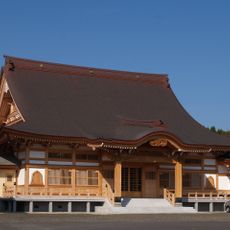
Hodaji is a Sōtō Zen temple whose main hall was rebuilt in 1778 and repaired in 1984. Its two-storey rōmon gate and main hall are both designated tangible cultural properties of Akita City. The temple grounds also hold a Daikokuten station of the Akita Shichifukujin pilgrimage.
Founded in 1349 at Matsubara in Hinai (present-day Ōdate) by the monk Getsusen Ryōin, who was invited by Andō Morisue, the temple later moved to its current site during the Muromachi period. Its second abbot, Mutō Ryoyū, is identified in temple tradition with Fujiwara no Fujifusa, whose grave lies behind the temple. The main hall was rebuilt in 1778 and repaired in 1984.
Hodaji is the 23rd stop on the Akita Thirty-Three Kannon Pilgrimage, and its grounds hold a Daikokuten station of the Akita Seven Lucky Gods. In 1810, when a severe drought struck under the Akita domain lord Satake Yoshihiro, the monk Tokuzen of Hodaji joined priests from Chokokuji in Akada and Tentokuji in prayers for rain at Kaso-numa, which were credited with bringing rain.
The temple stands in Akita's Hodaji district; Akita Chūō Kōtsū buses from JR Akita Station, via Sotegawa or Akita Onsen toward Yodenuwajōchō, stop at Hodajimae in about 25 minutes. A car park is available on site. The temple is the 23rd stop on the Akita Thirty-Three Kannon pilgrimage, so expect pilgrims as well as casual visitors.
The temple hall holds a station of the Akita Seven Lucky Gods, dedicated to Daikokuten, one of the few such stops in the city. The temple also served as head of many branch temples in Oga, whose monks joined its rites after the 1810 earthquake.
The community of curious travelers
AroundUs brings together thousands of curated places, local tips, and hidden gems, enriched daily by 93,466 contributors worldwide.