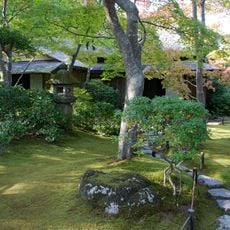
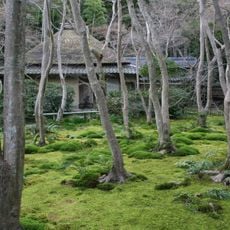
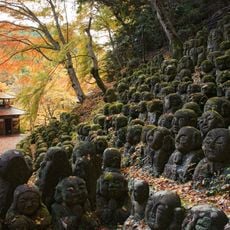
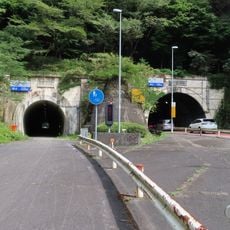
Uketa-jinja, Shinto shrine in Japan
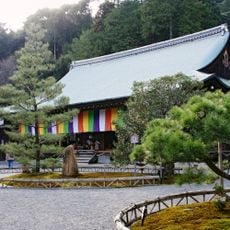
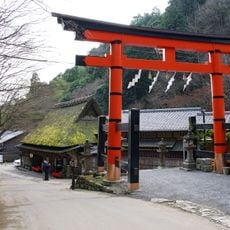
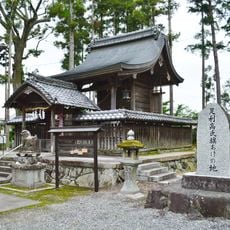
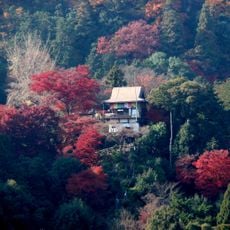
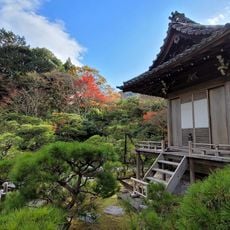
Uketa-jinja stands at the entrance to Hozukyo gorge in Kameoka, where the Ōi River becomes the Hozu River, facing Kuwata-jinja across the water. Its nagare-zukuri hall sits on the site called Iwao, and an Inari sub-shrine stands beside the main hall. A separate branch shrine, the Uketa-jinja Tongū, is kept within the grounds of Hozu Hachimangū.
According to shrine tradition, Uketa-jinja was founded in 709 (Wadō 2). Its halls and documents burned in the Eiroku era (1558–1570), after which it was moved to Miya-no-ue, the present Hachiman-gū; it returned to this site in the Kan'ei era (1624–1645). It is a candidate for the Engishiki-listed Ishio-jinja of Kuwata district, though some identify it with Matsuo-jinja.
The name Uketa-jinja honors Ōyamakui, a spirit invoked by the community for protection and good fortune. Visitors observe daily practices such as hand clapping, bowing, and leaving small offerings that reflect the spiritual life of local residents.
The shrine is easily accessible in a quiet part of Kameoka and can be reached on foot from nearby neighborhoods. Visitors should bow before entering, treat the space with respect, and feel welcome to bring small offerings if they wish to pray or leave tokens of their visit.
In the Edo period the gorge was called Uketa-kyō, and both this shrine and Kuwata-jinja across the river used the names Uketa and Ukeda. The shrine's own name is explained by the clearing of the gorge: it received (uketa) the first spade-strike of the land-opening work.
The community of curious travelers
AroundUs brings together thousands of curated places, local tips, and hidden gems, enriched daily by 94,617 contributors worldwide.