飯能惠比壽神社, Shinto shrine in Japan
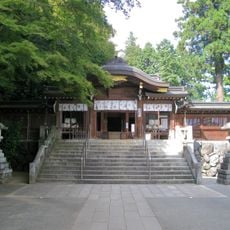
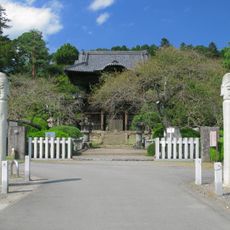
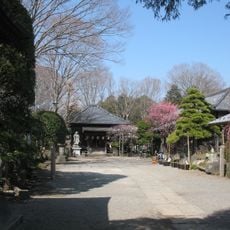
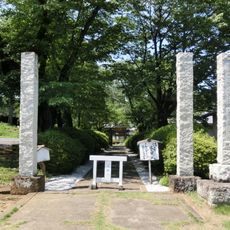
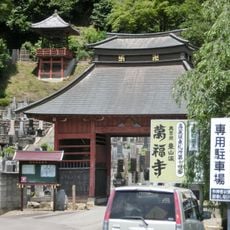
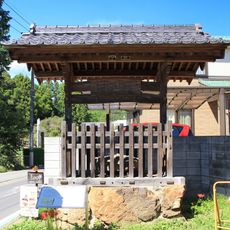
Hanno Ebisu Shrine is a small shrine located next to the city hall in Hanno and integrated within the larger Suwa Hachiman Shrine grounds. The structure features simple wooden construction with a curved roof painted in red tones, while colorful banners and flags mark the area.
The shrine was founded in 1516, when Kaji Kikufusamaru and Taira Shigekiyo invited the Suwa deity Takeminakata-no-Mikoto and named it Suwa Shrine. Hachiman was later invited from Shinshu, giving the shrine its present name. In 1584 Kaji Kageyuzaemon Yoshinori and the monk Hoken Keiken rebuilt it, and in 1887 the main hall was moved to its current site.
The main shrine enshrines Takeminakata-no-Mikoto, brought from Suwa, and Hachiman, invited from Shinano, which gave the shrine its name. Its autumn festival features a three-lion sasara shishi-mai dance performed to pray for peace, designated an intangible cultural asset of the city. Within the grounds stands the Hanno Ebisu Shrine, the only shrine among the Musashino Seven Lucky Gods.
The shrine is easily reached on foot from the city area, with well-trodden paths leading to the entrance. Visitors should allow time to explore this quiet place at leisure, especially during early morning or late evening hours when it is less crowded.
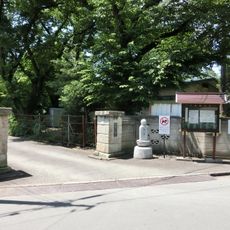
Within the grounds stands a stone haiku monument to Kira Sogetsu, 92 by 125 by 130 cm, erected in 1988; it is inscribed with a verse about a lion dance flute in the fields after the rice harvest. The shrine also keeps a three-lion sasara lion dance performed at the autumn festival, a city-designated intangible cultural property.
The community of curious travelers
AroundUs brings together thousands of curated places, local tips, and hidden gems, enriched daily by 94,807 contributors worldwide.