Suwa Shrine, Shinto shrine in Japan
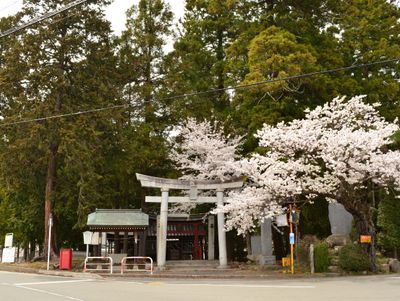
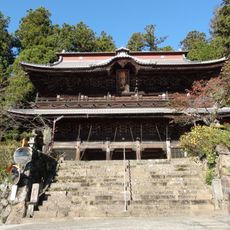
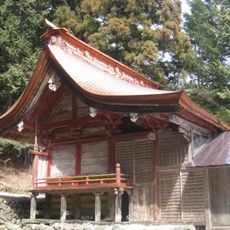
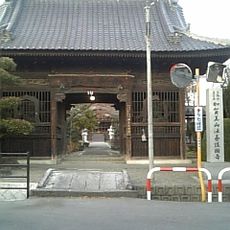
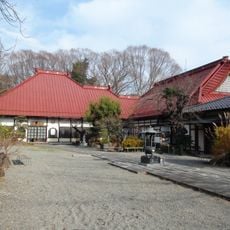
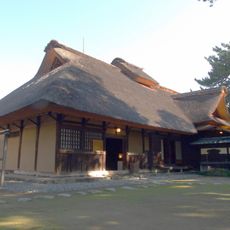
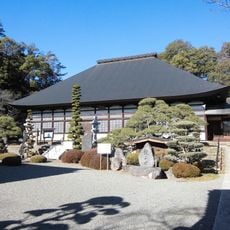
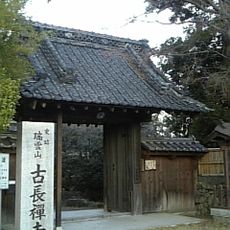
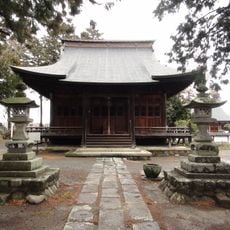
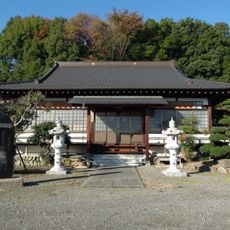
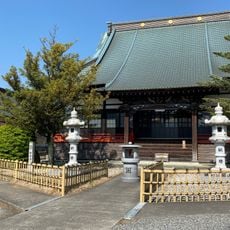
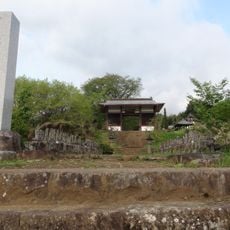
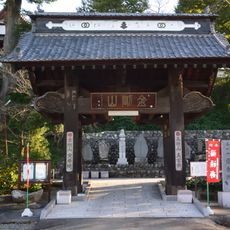
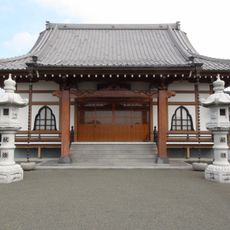
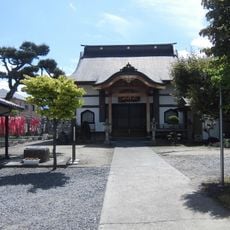
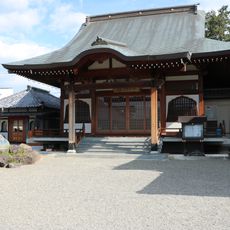
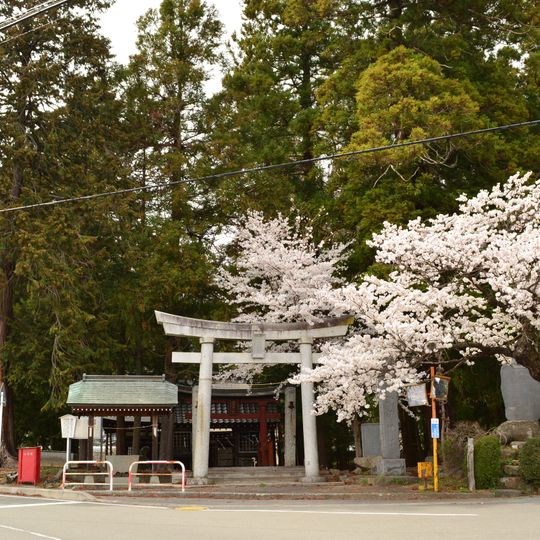
Suwa Shrine is a small Shinto sanctuary in Minami-Alps featuring simple wooden structures set among old trees and marked by stone lanterns and traditional gates. The site includes a prayer hall where visitors leave offerings and pray, with maintained pathways running through the peaceful grounds.
According to the Kai Kokushi, in the Keian era (mid-17th century) Tokugawa Iemitsu granted the shrine a vermilion-seal estate of about 2 koku 2 to and 940 tsubo of grounds. In 1873 it was ranked as a gōsha, a district shrine. A wooden statue in the grounds dates from the rebuilding of the main hall in 1409.
The shrine's name comes from Suwa in Shinano, the homeland of its main deity Takeminakata-no-Mikoto, who is worshipped here together with Ōkuninushi and Sukunabikona. Within the grounds stand subsidiary shrines to Kotohira, Mitsumine, Hachiman and Kokage; the last honours the silkworm deity, a trace of the local sericulture. In early spring the old weeping cherry by the west of the precinct, called Higan-zakura locally, serves with the maple to the east as a marker for farm work.
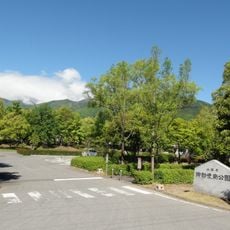
The shrine stands in the Kuruwada settlement along the mountain edge of Minami-Alps, not in the city centre. Part of the grounds has been laid out as a rural park, and the summer festival fills the precinct. The Edohigan cherry and the maple on the east side of the grounds serve locals as markers for farm work.
The shrine keeps a statue of a deity in court dress dated by ink inscription to 1409, when the main hall was rebuilt; it is a prefectural cultural property since 1965. In the western grounds stands an Edo higan cherry 15 m tall with a 2.8 m trunk circumference and a 16 m branch spread, a city natural monument since 1987.
The community of curious travelers
AroundUs brings together thousands of curated places, local tips, and hidden gems, enriched daily by 95,672 contributors worldwide.