Asuke Hachiman-gū, Shinto shrine in Japan
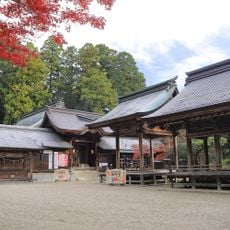
Asuke Hachiman-gū is a Shinto shrine in Toyota with a main building dating to 1466 that features a cypress bark roof and is recognized as a cultural treasure. The grounds are defined by ancient cedar and sacred ginkgo trees believed to hold spiritual power, along with bronze horse statues that are said to protect travelers.
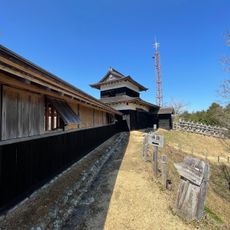
According to tradition, the shrine was founded in 673, the third year of the Hakuhō era, during the reign of Emperor Tenmu. Until the 1868 separation of Shinto and Buddhism, a jingū-ji temple stood on the grounds; only its bell tower remains. The main hall was built in 1466 and designated a National Important Cultural Property in 1907.
The annual Asuke Matsuri is held on the second Sunday of October: four floats from the town districts, a matchlock gun corps and bō-no-te staff fighting are presented and dedicated at the shrine. Until the 1868 separation of Shinto and Buddhism a jingū-ji stood on the grounds, and only its bell tower remains. The name Asuke is linked to feet, so the shrine is visited for travel and road safety.
The shrine stands at Miyanogo 13 in Asuke, a short walk from the Miyamachi intersection where the large torii gate was moved in 2002 during road widening. The gate now faces the crossing rather than the shrine approach, so look for it before turning toward the grounds. The bell tower left from the former shrine-temple stands on the site.
The name Asuke is written with characters meaning "foot" and "help", which is why the shrine is visited for foot and leg complaints and for safe travel. Until the 1868 separation of Shinto and Buddhism a jingū-ji stood on the grounds; only its bell tower remains today.
The community of curious travelers
AroundUs brings together thousands of curated places, local tips, and hidden gems, enriched daily by 94,659 contributors worldwide.