Nagoya City Miharashidai Archaeological Museum, Archaeological museum and habitation site in Minami-ku, Japan
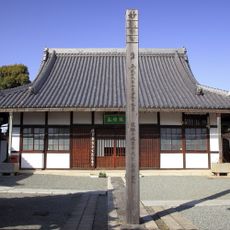
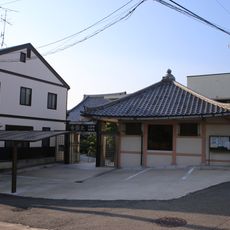
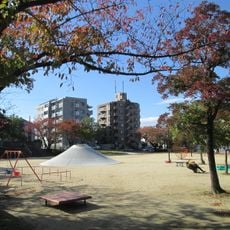
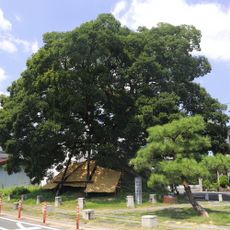
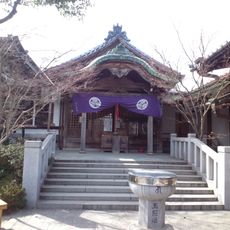
The Nagoya City Miharashidai Archaeological Museum is an archaeological museum and ancient settlement site in Minami-ku, Nagoya, Japan, built on the grounds of a Yayoi-period village. The facility combines indoor exhibition rooms showing pottery, tools, and clay objects with outdoor areas where original dwelling pit remains are visible.
The site was once a moated village from the late Yayoi period, a time when early farming communities were taking shape across Japan. The museum opened in 1979 to protect the layers uncovered during excavations and make them accessible to the public.
The museum's name comes from a Yayoi-period clay object shaped like a bronze bell (dotaku), found here in 1940 and reported to scholars as only the second such find in Japan after Nishishiga. Curator Tetsuya Hattori wrote two rakugo pieces about archaeology, "Jomon-san" and "Haniwa Dorobo", performed by Katsura Kyukaku. Every summer citizens join the digs, and in August participants explain the excavation themselves.
The museum sits in a residential neighborhood and can be reached on foot from nearby transit stops. Opening days are limited, so it is worth checking the schedule in advance before making the trip.
In 2006, excavators at the site found a piece of duralumin identified as part of the vertical tail of a B-29 bomber shot down during the war. The park also keeps two concrete gun positions and an ammunition store from the anti-aircraft battery built there in 1942.
The community of curious travelers
AroundUs brings together thousands of curated places, local tips, and hidden gems, enriched daily by 94,695 contributors worldwide.