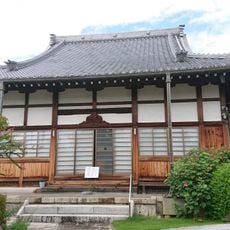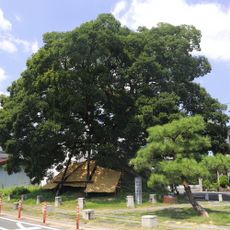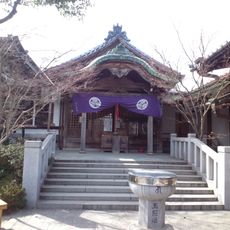
Kasadera Kannon, Buddhist temple in Minami-ku, Nagoya, Japan.
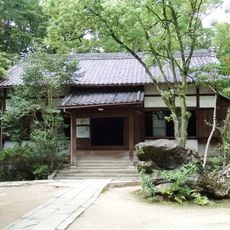
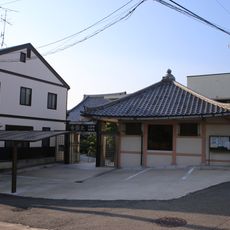
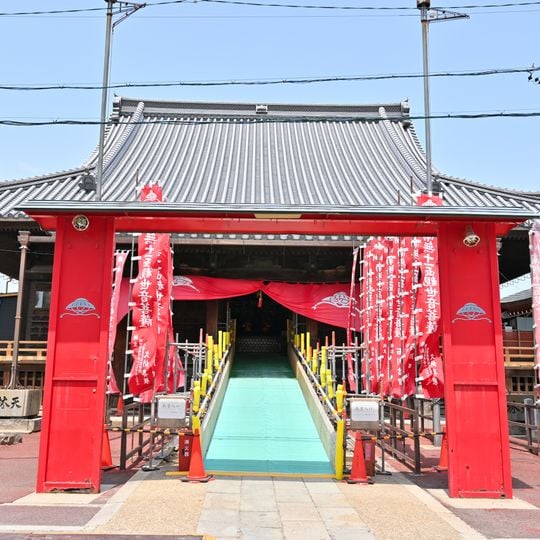
Kasadera Kannon, formally Ryūfuku-ji of the Shingon Chizan sect, stands in Kasadera-chō, Minami-ku, Nagoya. Its main hall, rebuilt and reinforced in 2022, faces a two-storey tahōtō and a bell tower; the Niōmon gate and west gate are among five structures designated as Nagoya urban landscape buildings in 1992. A pond known as Kame no Ike lies within the grounds.
The temple was established in 733 when a monk carved an eleven-faced Kannon statue from driftwood collected from a nearby beach. This founding moment took place during Emperor Shomu's reign and set the spiritual foundation for the site.
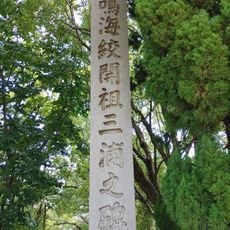
The name Kasadera comes from the legend of Fujiwara no Kanehira covering the Kannon statue with his straw hat (kasa) on a rainy day; the temple is also called Kasadera Kannon. The grounds hold a Chidori mound and a Bashō haiku stone, a Miyamoto Musashi monument and a Tokugawa Ieyasu hostage-exchange monument. On the 18th of each month, the Kannon feast day, prayers are held.
The temple is a three-minute walk from Moto-Kasadera Station on the Meitetsu Nagoya Main Line, or one minute from the Kasadera Nishi-mon bus stop; Kasadera Station on the JR Tokaido Line is about 20 minutes on foot. The main hall was rebuilt and reinforced in 2022, with an entrance slope added. The hibutsu Kannon image is shown only once every eight years, most recently in April 2023.
The temple bell, cast with an inscription dated 1251, is one of the Owari Three Bells and an Aichi Prefecture tangible cultural property. Visitors may strike it themselves as the New Year's Eve bell on December 31.
The community of curious travelers
AroundUs brings together thousands of curated places, local tips, and hidden gems, enriched daily by 94,086 contributors worldwide.