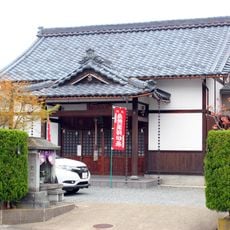
Asuwa Shrine, Shinto shrine in Japan
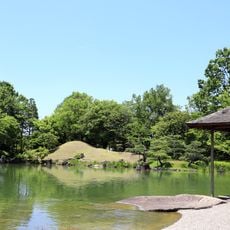
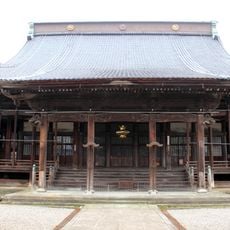
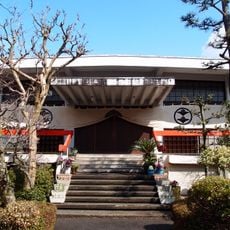
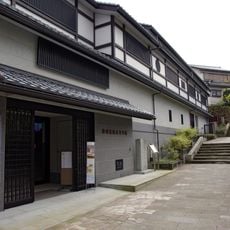
Asuwa Shrine is a small Shinto sanctuary in the Asuwa area built in the Shinmei-zukuri style, featuring simple straight lines, natural wood construction, and a traditional roof with no curves. The main building sits in a well-maintained courtyard surrounded by tall trees, creating a quiet and clean space with humble architectural beauty.
According to the shrine's tradition, Keitai Tenno, before ascending to the throne, worshipped the Omiyaji spirits here and entrusted the rites to his daughter Princess Makuta. The shrine appears in the Engi regulations as a small shrine; in 940 it was raised to junior third rank, and the Kamakura-era lord Asakura clan donated estates. The Edo-period Matsudaira lords of Fukui patronised it, and in 1820 Matsudaira Haruyoshi rebuilt it after a fire.
The shrine's crest combines sun, moon and pole star, a design used by only three shrines nationwide. The paper scrolls written by Emperors Kōmyō and Ninkō, once designated a National Treasure, were destroyed in the Pacific War. The annual cycle includes the Setsubun festival on 3 February and the Sakura Matsuri in early April.
The shrine is accessible on foot with signage marking the way through the neighborhood. Visitors should show respect by bowing slightly when approaching the main building and following local customs when offering prayers at the small donation box.
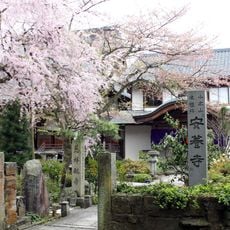
The shrine's crest combines the sun, moon and North Star, a design used by only three shrines nationwide. The North Star stands for the emperor, the sun and moon for life and strength. The shrine also keeps a 381-year-old weeping cherry, burned in the 1900 fire and regrown to 6 metres.
The community of curious travelers
AroundUs brings together thousands of curated places, local tips, and hidden gems, enriched daily by 94,458 contributors worldwide.