Mutsu sōshano-miya, Shinto shrine in Japan
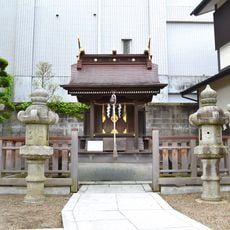
Mutsu sōshano-miya is a Shinto shrine in Tagajō featuring nagare-zukuri architecture, a style with a roof that slopes down on one side to create a sheltered entrance area. The building stands slightly elevated with a surrounding veranda that serves as a transition space before entering the sacred interior.
The shrine is identified with a sanctuary called Sōsha-no-miya near the Mutsu provincial capital at Tagajō, though its own ancient records are lost and the link remains a theory debated since the Edo period. In the Kamakura period the Izawa family, holders of the Mutsu rusu post, donated 3,000 kari of shrine land. Under the Sendai domain a bettō from Hōren-ji managed its rites; in 1871 it was ranked a village shrine, and in 1908 seven shrines including Kifune were merged into it.
The shrine is the sōja of Mutsu Province, where the kami of 100 shikinaisha from 31 districts are jointly worshipped alongside Hachioji-no-okina and Hachioji-no-ōna. Annual rites include the Reitaisai on the third Sunday of April with a mikoshi procession, and the Dontosai on 14 January. A shimenawa is hung on the old cedar at New Year.
Visitors should know the shrine has a simple approach with steps leading to the elevated building and a water basin where hands can be washed before entering. The grounds are accessible year-round, and visiting outside festival times allows for a quieter experience of prayer and reflection.
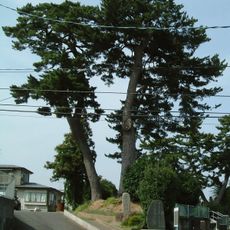
Two trees in the grounds are designated conservation trees by Tagajō: a white magnolia measured in 1985 at roughly 220 years old, 16.8 m tall and 2.2 m around the trunk, and a sacred cedar of about 600 years, 25.6 m tall and 4.88 m around, which receives a shimenawa rope at New Year.
The community of curious travelers
AroundUs brings together thousands of curated places, local tips, and hidden gems, enriched daily by 94,661 contributors worldwide.