Asuka Shrine, Shinto shrine in Japan
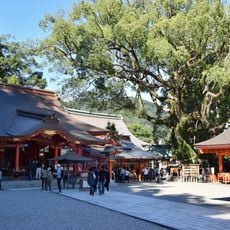
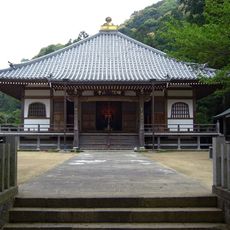
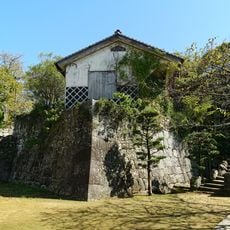
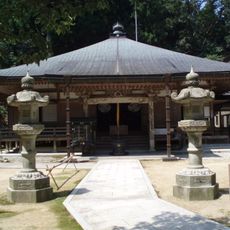
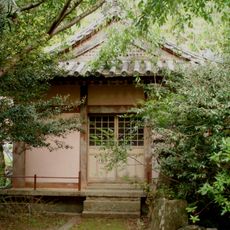
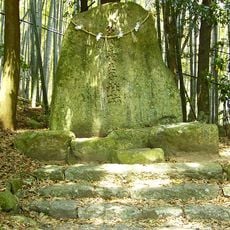
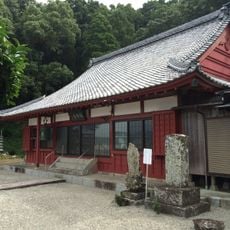
Asuka Shrine stands at the southern foot of Mount Horai, a 48-metre hill near the Kumano River estuary. Its wooden main hall (16 m²) and worship hall (56 m²) are roofed with copper sheeting. Within the grounds are the Shrine Museum (opened 1979), a stone shrine to Xu Fu, and a 1631 stone basin donated by Mizuno Shigeyoshi.
According to shrine tradition, Asuka Shrine was founded in the reign of Emperor Kōshō. In 1109 the Nakayuki record notes offerings sent to Asuka Ōji, one of the Kumano Ninety-Nine Ōji, and the Tale of the Heike describes Taira no Koremori praying here. In 1907 the shrine merged the Yatagarasu and Miyado shrines.
The shrine is connected to the legend of Jofuku, a Chinese traveler who came to the region centuries ago and shared knowledge of farming, fishing, and craftsmanship with local people. This story remains part of how the community understands its identity and connection to the wider world.
The shrine is about a ten-minute walk from Shingū Station. The grounds include the Shingū City Museum of History and Folklore, which opened in November 1979 and displays finds from the Horaiyama sutra mound and the Asuka site, including a reconstructed pit-house. The museum also holds the 1930s-era bronze mirror and Buddhist image finds returned to the shrine in 1976.
The 1960 Tokyo National Museum excavation of the Horaiyama sutra mound also yielded over 400 misbotai, small Buddhist images from the Heian to Muromachi periods. Most depict Dairinmyōō, the shrine's own honji-butsu, but some show the honji of the three Kumano shrines, including Amida, Yakushi and Kannon.
The community of curious travelers
AroundUs brings together thousands of curated places, local tips, and hidden gems, enriched daily by 93,464 contributors worldwide.