Unkou-ji, Buddhist temple in Seto, Japan
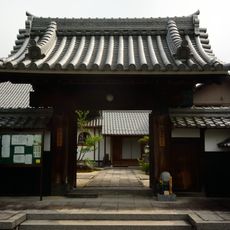
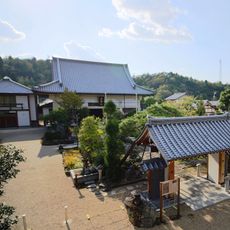
Unkou-ji is a Zen temple featuring traditional Japanese architecture, with wooden structures and curved roofs that reflect Soto school design principles. The building preserves this classical style and offers an authentic example of Buddhist architecture in the region.
Founded in 1384 by the Zen master Tennyo Soyu, Unkou-ji was built in the Yamada district of Owari Province. In the early 1400s, Ashikaga Yoshimochi and the Yamaguchi clan funded the construction of a full seven-hall complex. After a fire destroyed the temple in 1535, it was rebuilt with support from Oda Nobuhide, and later received patronage from Toyotomi Hideyoshi and the Owari Tokugawa family.
The temple serves as an active center for Soto Zen practice, where visitors can observe the daily rituals and meditation sessions that shape community life. The spaces are arranged to support this spiritual work and offer insight into how Zen traditions are lived today.
The temple is located in Shirasaka-cho and welcomes visitors during daylight hours, with donations accepted to support ongoing maintenance. Plan your visit during brighter daylight to fully appreciate the architectural details and grounds.
The temple's guardian deity, Shōkū Sannjin, comes from a legend: in 1405 the second abbot, Tensō Sōmyō, made a fierce spirit repent, took its vows and named it Shōkū Jōza. The spirit promised to protect the temple from illness, fire and theft, then vanished into a boulder by the gate, the Shōkū Stone, still venerated today.
The community of curious travelers
AroundUs brings together thousands of curated places, local tips, and hidden gems, enriched daily by 94,738 contributors worldwide.