Susa-jinja, Shinto shrine in Tanabe, Wakayama Prefecture, Japan
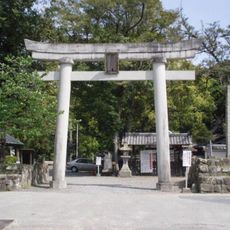
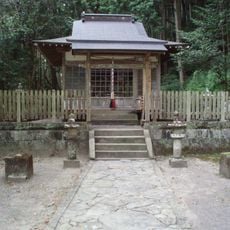
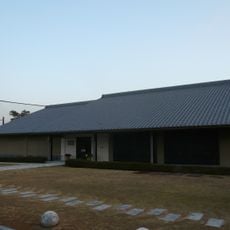
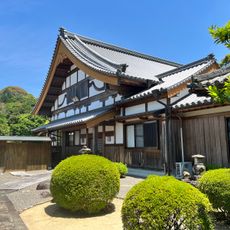
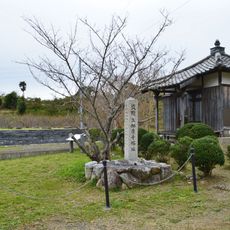
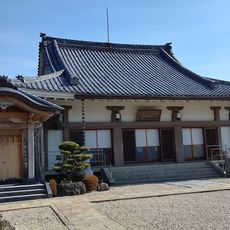
Susa-jinja is a Shinto shrine in Tanabe with traditional wooden structures and well-kept paths lined with stone lanterns. The grounds include a bell tower, a main prayer hall, and water basins for purification rituals that visitors use before praying.
Tradition holds that Susanoo arrived from Soshimori at Mount Iwafune (Tennō no Mori) and sowed tree seeds there. The shrine was already worshipped when Emperor Jimmu ascended the throne, and it served as the ubusugami of the former villages of Kami-Maro, Naka-Maro and Shimo-Maro under the name Gozu Tennō-sha. In 1587 Toyotomi Hideyoshi's Kishu campaign spared it because the Tamaki clan, who sided with him, performed its rites.
The shrine is dedicated to Susanoo, the storm god in Shinto tradition, and attracts visitors seeking protection and strength. Local people leave small offerings and write wishes on paper tied to trees, showing how they maintain daily connection to these beliefs.
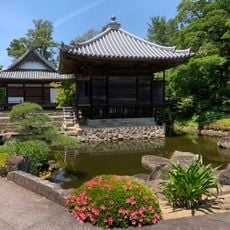
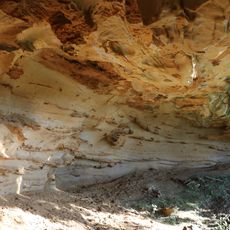
Susa-jinja stands in Nakamaro, Tanabe, facing Tenno Pond; the former shrine site on the summit of Iwafune-yama (Tenno-no-mori) holds a rock seat (iwakura). The shrine's festivals are the summer festival on 7 July and the Niiname-sai on 23 November. The Muro lion dance, a city-designated intangible folk cultural property since 22 August 1980, is performed locally.
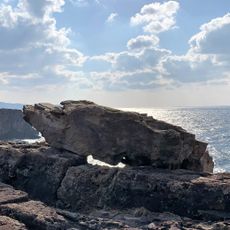
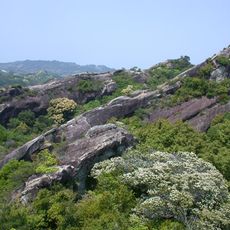
The shrine stands in front of Ten'nō Pond, while the presumed original site on the summit of Mount Iwafune holds a rock seat (iwakura) where the deity is said to have landed from Soshimori and sown tree seeds. The grounds also hold a Sarutahiko Shrine moved here in August 1877.
The community of curious travelers
AroundUs brings together thousands of curated places, local tips, and hidden gems, enriched daily by 94,628 contributors worldwide.