Ganjōju-in, Buddhist temple in Izunokuni, Japan
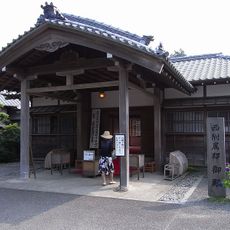
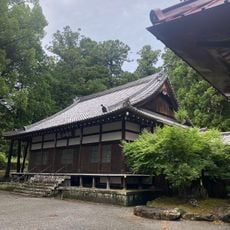
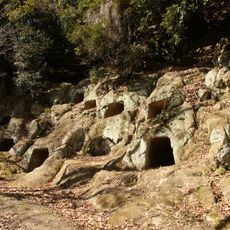
Ganjōju-in is a Kōyasan Shingon-shū temple at the eastern foot of Mount Moriyama in Izunokuni, Shizuoka Prefecture. Its thatched Hondō, rebuilt in 1789, stands on grounds designated a National Historic Site in 1973. The temple houses five statues by the sculptor Unkei, dated by inscriptions to 1186 and designated a National Treasure in 2013.
Per the Azuma Kagami, Hōjō Tokimasa founded the temple in 1189 to pray for victory against the Northern Fujiwara at Hiraizumi, yet the Unkei statues are dated 1186, suggesting a Hōjō family temple. It grew under Hōjō Yoshitoki and Yasutoki into Izu Province's largest temple. Hōjō Sōun's forces burned it in 1491, and Toyotomi Hideyoshi's troops burned it again in 1590; Hōjō Ujisada rebuilt it in the Edo period.
The temple's name, Ganjōju-in, means "wish-fulfillment temple," linked to prayers for victory. The main hall, rebuilt in 1789, has a thatched roof and houses the Unkei statues. A wooden Jizō statue donated by Hōjō Yasutoki for the seventh anniversary of Hōjō Masako's death is said to bear her face and is called Masako Jizō.
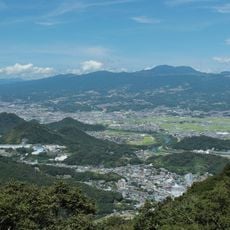
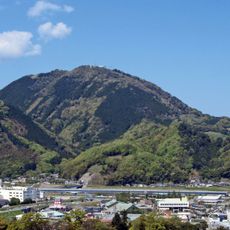
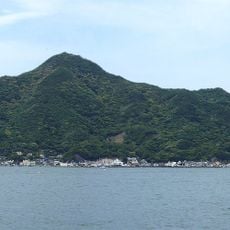
The temple is a 15-minute walk from Nirayama Station on the Izuhakone Railway Sunzu Line, or about 5 minutes by taxi. It is open from 10:00 to 16:00 and closed on Tuesdays and Wednesdays. The grounds sit at the eastern foot of Mount Moriyama, at an elevation of about 100 meters along the Kano River.
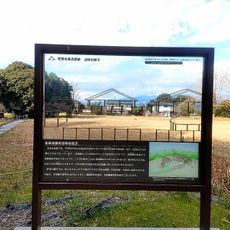
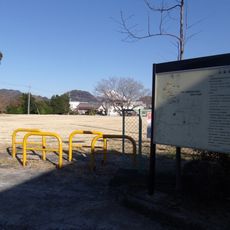
Archaeological excavations revealed evidence of a large pond that once stood in front of the temple hall, similar to the designs of Byodoin and Motsuji temples. This discovery shows that the grounds were designed following the pattern of other major Buddhist temples.
The community of curious travelers
AroundUs brings together thousands of curated places, local tips, and hidden gems, enriched daily by 93,547 contributors worldwide.