Yōrō Park, Prefectural urban park in Yōrō-chō, Gifu Prefecture, Japan
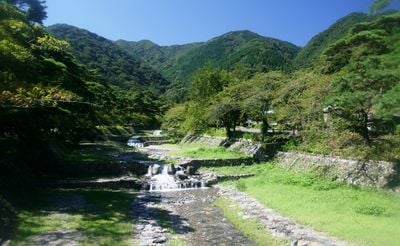
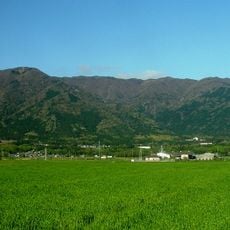
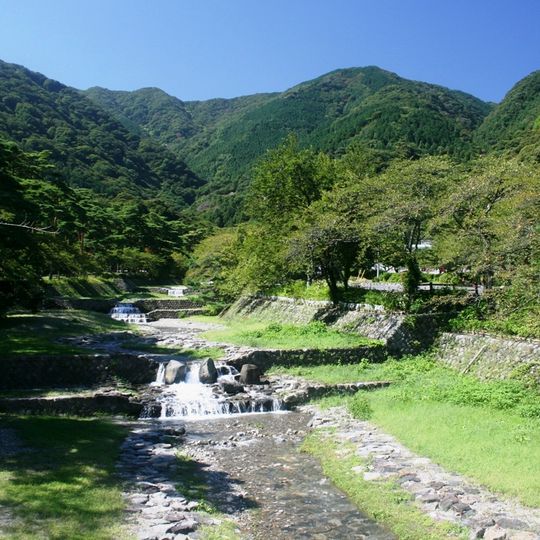
Yōrō Park is a large natural park in Gifu Prefecture, known for its prominent waterfall set against a mountainous backdrop. The grounds include a traditional shrine, maintained forest trails, and an experimental art installation with unconventional architectural structures.
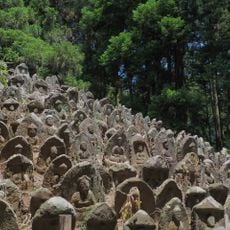
In 717, word of a "rejuvenating water" in Mino Province reached the capital, and Empress Genshō traveled to the spring; she returned in 718, and Emperor Shōmu visited in 740. The park itself was established by decree on 17 October 1880. A slope collapse near Yōrō Falls in 1981 buried stone monuments, including one inscribed with a poem by Yanagawa Seigan.
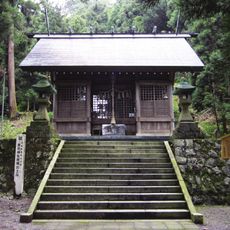
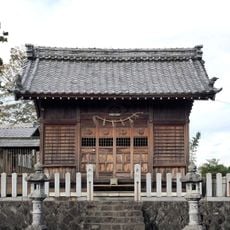
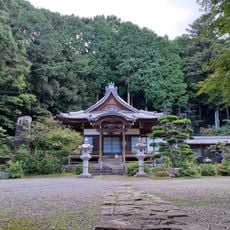
Yōrō Shrine within the park honours Kukurihime-no-Mikoto, and its grounds hold the Kikusui Spring, whose water was chosen for Japan's list of notable springs. The name Yōrō, adopted as an era name in 717, comes from the legend of a son who gave his father spring water and found it turned to sake.
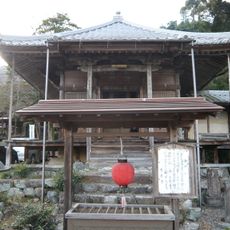
The park stretches northeast from the 32 m-high, 4 m-wide Yōrō Falls down to the prefectural road at the foot of Mount Yōrō, covering 78.5 ha. The Yōrō Ropeway, which once linked the parking area with the falls, has been suspended since 2015, so the climb is on foot. Paths pass the shrine, temple and art sites in sequence.
The grounds house an artistic attraction from the 1990s that deliberately plays with balance and spatial perception. The installation draws art enthusiasts seeking an experience that differs from typical park design.
The community of curious travelers
AroundUs brings together thousands of curated places, local tips, and hidden gems, enriched daily by 94,111 contributors worldwide.