Nangū Taisha, Shinto shrine in Tarui, Japan
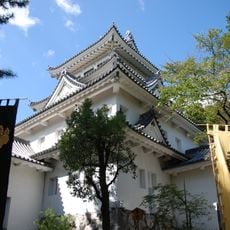
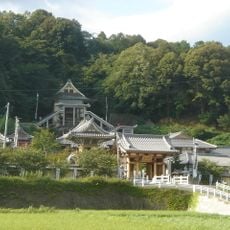
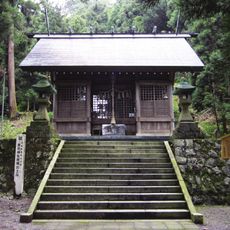
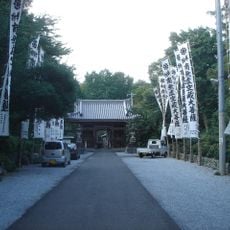
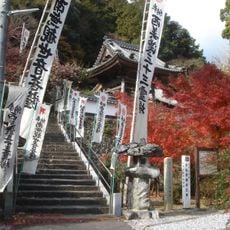
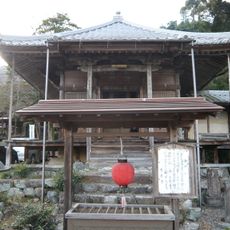
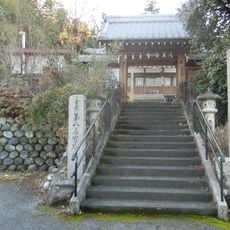
Nangū Taisha is a major shrine at the foot of Mount Nangu in Tarui, Gifu Prefecture. The grounds contain eighteen separate wooden structures from the Edo period, including several worship halls, gates, and storehouses protected as national cultural properties.
According to shrine tradition, Nangū Taisha was founded in the reign of Emperor Sujin. It appears in the Engishiki register as Nakayama Kanayama Hiko Shrine, a major shrine and Mino Province's ichinomiya. The compound burned in 1501 and was rebuilt by the governor Toki Masafusa by 1511. Destroyed again in the 1600 Battle of Sekigahara, it was rebuilt in 1642 under the third shogun Tokugawa Iemitsu, with Okada Yoshimasa as commissioner.
The name comes from the shrine's position south of the Mino provincial government office at Fuchū, not from Kyoto. The deity Kanayama-hiko-no-mikoto draws worship from metalworkers, miners and blacksmiths nationwide. On the 1st and 15th of each month, flower arrangements fill the purification trough and a market sells local vegetables and pickles.
Tarui Station on the JR Tokaido Main Line lies about one kilometre to the northeast, roughly a twenty-minute walk. The grounds are open from 5:00 to 18:00, with prayers and seal stamps handled from 9:00 to 16:30. A town loop bus stops at Nangū Taisha-mae on weekdays, and the shrine is about ten minutes by car from the Ōgaki-nishi interchange.
The buildings follow a fixed renewal cycle of fifty-one years, preserving traditional craftsmanship through regular restoration work. This practice allows centuries-old construction techniques to pass to new generations of carpenters.
The community of curious travelers
AroundUs brings together thousands of curated places, local tips, and hidden gems, enriched daily by 93,248 contributors worldwide.