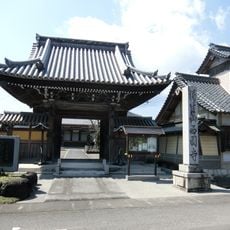
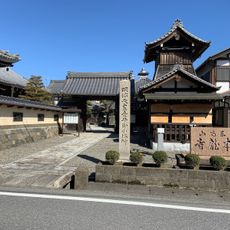
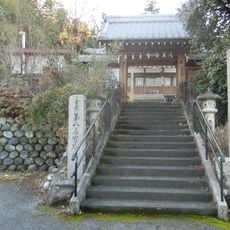
Mino Kokubun-ji, Provincial temple in Ogaki, Japan
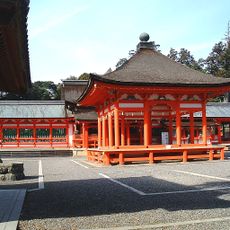
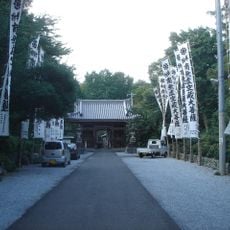
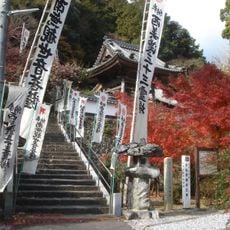
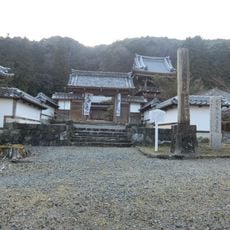
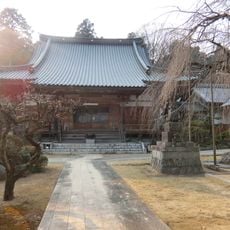
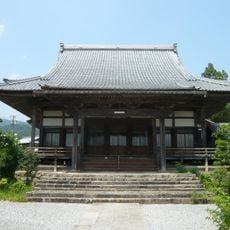
Mino Kokubun-ji is a provincial Buddhist temple in the Aono district of Ogaki, Japan, with a roughly 10-foot-tall (about 3 m) wooden Yakushi Nyorai statue as its main object of worship. The grounds preserve several stone foundations from the original temple layout.
Mino Kokubun-ji was founded around 741 under Emperor Shōmu's decree, with main halls completed by the 750s. It burned down in 887, was rebuilt in the 10th century, and faded by the late 12th century. The present temple was re-established in 1615 after a priest dug up a Yakushi Nyōrai statue from the ground.
The temple belongs to the Kōyasan Shingon-shū sect and is the final stop, or mangyō fudasho, of the 33-site Western Mino Pilgrimage. Its principal image, a seated Yakushi Nyōrai, is traditionally credited to the priest Gyōki, though the 304.8 cm zelkova statue is now dated to the 11th century. The temple's mountain name, Kingin-zan, means 'Gold and Silver Mountain'.
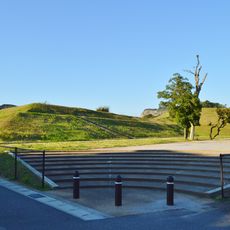
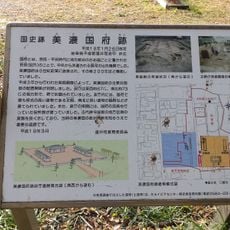
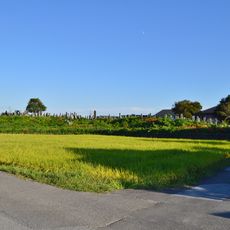
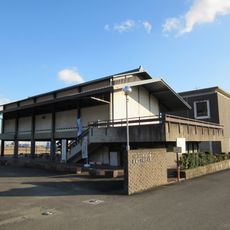
The temple is about 3.5 km northwest of Tarui Station and 4.4 km northwest of Arao Station on the JR Tokaido Main Line, or a 20-minute walk from the Inaba housing estate bus stop. The ancient temple ruins lie south of the present temple and are open year-round as the Mino Kokubun-ji Historical Park. The Ogaki City Museum of History and Folklore, opened in 1982 next to the ruins, displays roof tiles and artifacts excavated from the site.
The temple's main statue, a 304.8 cm seated Yakushi Nyorai carved from a single zelkova trunk, is dated to the 11th century, though temple legend attributes it to the Nara-period priest Gyoki. It was designated a National Important Cultural Property in 1914.
The community of curious travelers
AroundUs brings together thousands of curated places, local tips, and hidden gems, enriched daily by 94,248 contributors worldwide.