Ryūun-in, Buddhist temple in Aoba-ku, Japan
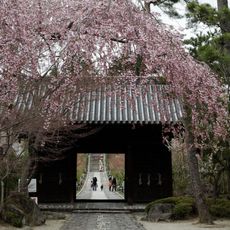
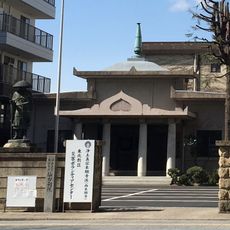
Ryūun-in is a Sōtō Zen Buddhist temple in Shihēmachi, Aoba-ku, Sendai. Its grounds hold the grave of Edo-period scholar Hayashi Shihei, after whom the neighbourhood is named, the grave of Shitayū Hosoya Naohide, a captain of the shock troops in the Boshin War who later became the temple's abbot, a Hosoya Jizō statue, and a petrified wood specimen.
The Soto Zen temple in Shihēmachi, Aoba-ku, Sendai, takes its neighborhood name from Hayashi Shihei, the Sendai domain scholar buried on its grounds. After the Boshin War, Hosoya Naohide (Jūdayū), commander of the Shōgekitai, became a monk and served as the temple's abbot out of reverence for Shihei. The temple holds Shihei's grave, Hosoya's grave, and a Hosoya Jizō.
The neighbourhood name Shihēmachi comes from Hayashi Shihei, the Sendai domain scholar buried at the temple. Hoso ya Naohide (Jūdayū), who led the Shōgekitai unit in the Boshin War, became a monk after the war and served as abbot here out of admiration for Shihei. Their graves and a Hoso ya Jizō stand in the grounds.
Ryūun-in stands in Shihēi-chō, a neighbourhood name taken from the Sendai domain retainer Hayashi Shihei, whose grave is on the temple grounds. Look for the graves of Shihei and of Hosoya Naohide, commander of the Shōgekitai in the Boshin War, who became abbot here, plus the Hosoya Jizō and a petrified wood specimen in the precinct.
The temple grounds hold a piece of petrified wood (keikaboku), a fossil formed when buried wood is replaced by silica over long ages. It stands alongside the graves of the Edo-period scholar Hayashi Shihei and of Hosoya Naohide, commander of the shock troops in the Boshin War, who became abbot here.
The community of curious travelers
AroundUs brings together thousands of curated places, local tips, and hidden gems, enriched daily by 94,259 contributors worldwide.