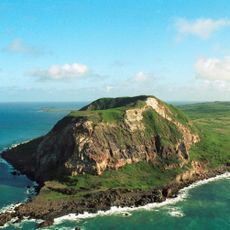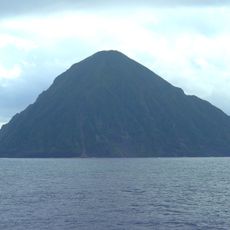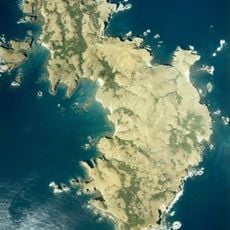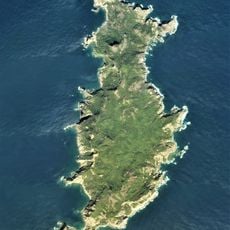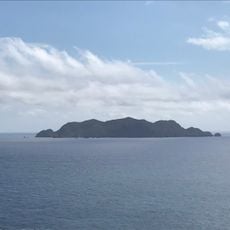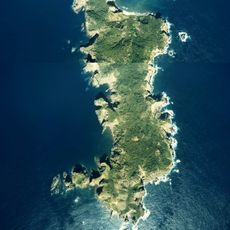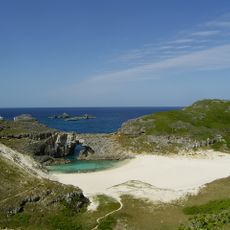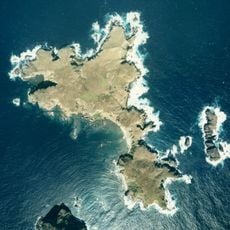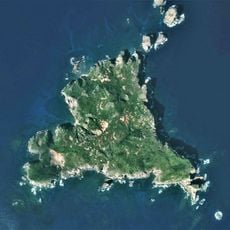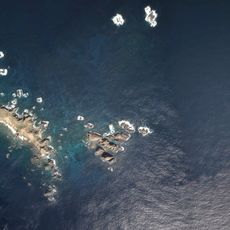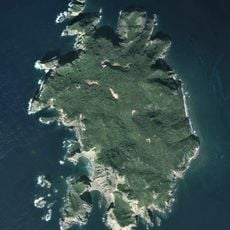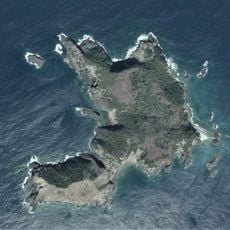
Ogasawara Archipelago, UNESCO World Heritage archipelago in Tokyo Islands, Japan.
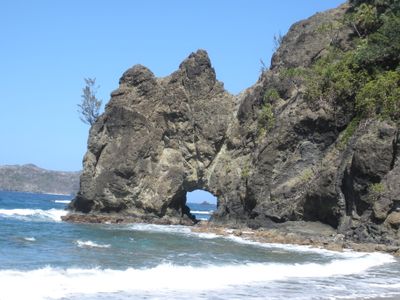
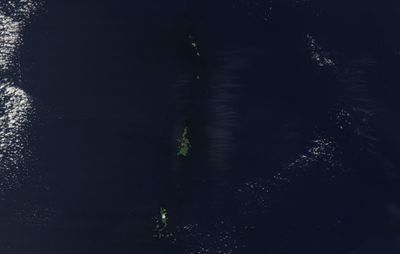
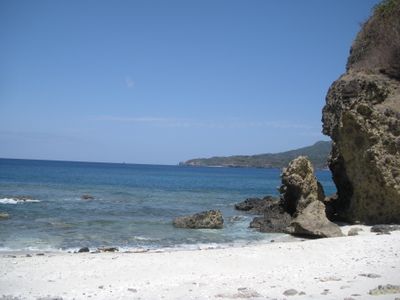
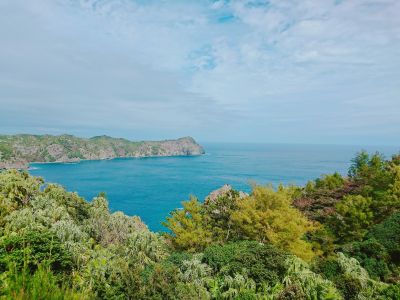
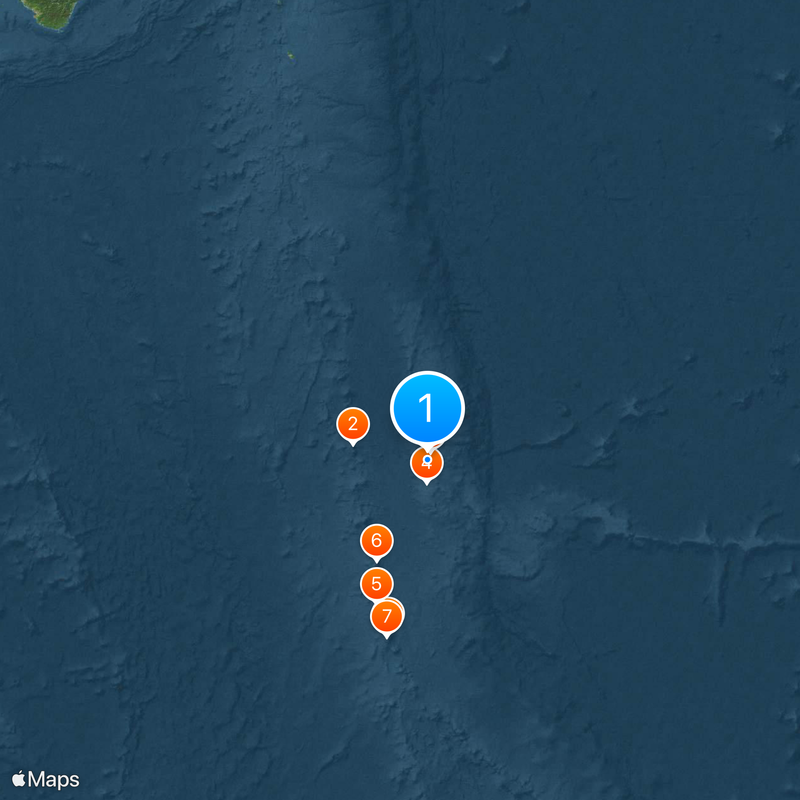
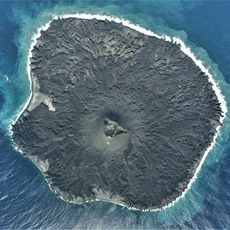
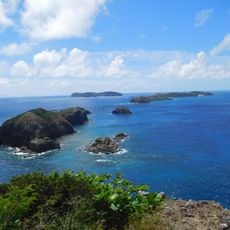
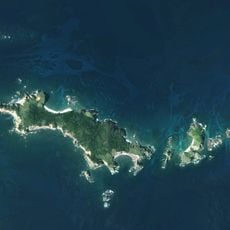
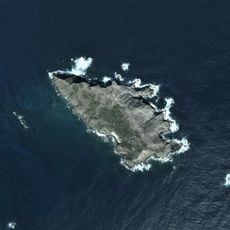
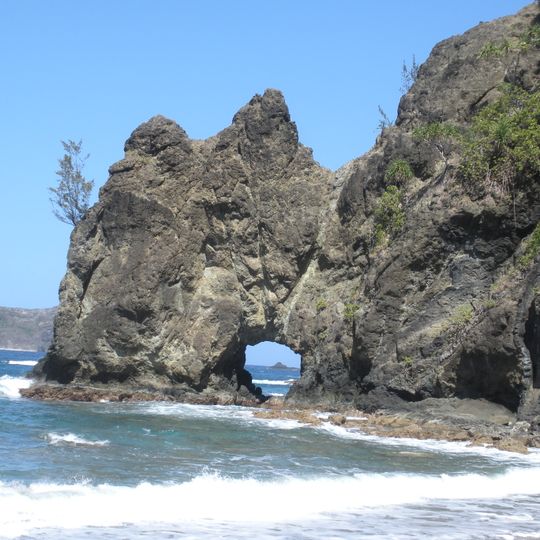
The Ogasawara Archipelago lies about a thousand kilometers south of Tokyo and consists of more than 30 islands, with only two permanently inhabited. The entire group stretches across the Pacific with dense rainforest, rocky shorelines, and a landscape shaped by volcanic activity over millions of years.
The islands remained uninhabited for centuries until American and European whalers established a settlement in the early 19th century. Japan took administrative control in 1875 and began sending its own citizens to settle there, altering the existing international community.
The islands host a small community that still speaks its own variant of English, rooted in the early settlers who arrived generations ago. In daily life you hear Japanese dialects alongside this local speech, and both traditions shape how people gather and celebrate together.
The only connection is a ferry that leaves Tokyo once a week and takes roughly 24 hours to reach the main island. Plan extended stays because weather delays can occur and return trips are equally limited in frequency.
The islands were never connected to any mainland, so plants and animals evolved here that exist nowhere else on Earth. About 40 percent of the plant species and many snails, insects, and birds live exclusively in these forests.
The community of curious travelers
AroundUs brings together thousands of curated places, local tips, and hidden gems, enriched daily by 90,866 contributors worldwide.