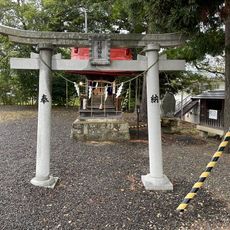
Manzō Inari-jinja, Shinto shrine in Japan
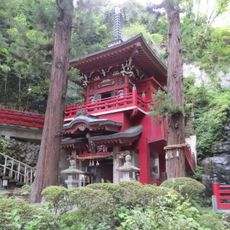
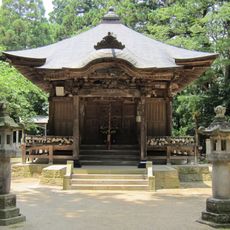
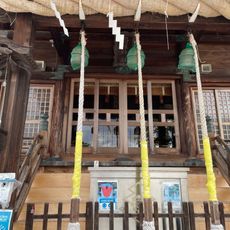
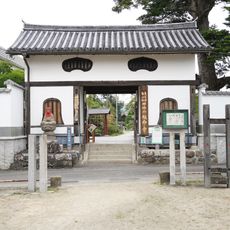
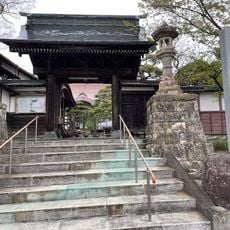
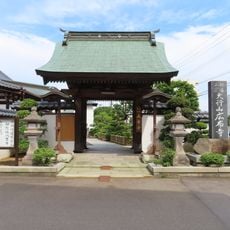
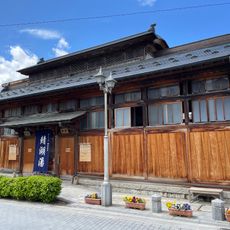
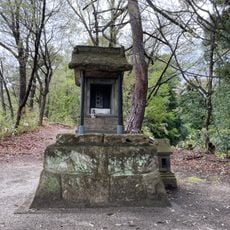
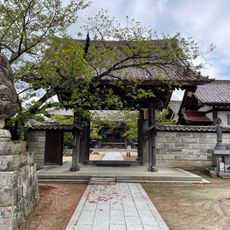
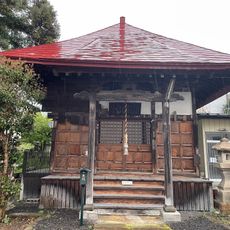
Manzō Inari-jinja is a small shrine in Shiroishi, Miyagi Prefecture, with traditional wooden structures and a gravel path leading to the main building. The approach is lined with over 100 red torii gates that create a striking visual passage and guide visitors toward the entrance.
The shrine was founded around 1785 by Kumagai Manzō, the 15th-generation head of a family of Shugendō ascetics at Kongō-in, who served as a horse driver at Kosaka Pass. According to tradition, he sheltered an old traveler who revealed himself as an incarnation of Inari and gave him three horses; Manzō sold them to build the shrine, originally named Garamiki Inari. He died in 1847 at 81, and his body became a sokushinbutsu, a self-mummified monk, now lost. The shrine was renamed Manzō Inari in 1869 and became a village shrine in 1909 after absorbing the deities of 16 nearby shrines.
The shrine honors Inari, the deity of rice, harvest, and prosperity, and visitors leave offerings and write wishes on wooden plaques hung at the site. Locals visit regularly to seek blessings for good harvests, business success, and personal well-being.
The shrine is accessible by car, about 45 minutes from Shiroishi Station or the Tohoku Expressway exit, with parking available on site. Visiting early in the morning or late afternoon offers a calmer experience, as crowds are minimal and the setting is more peaceful.
The traveler Manzō sheltered was no monk but an old man who declared himself an incarnation of Inari and gave him three horses as thanks; Manzō used them to fund the shrine. His body was later preserved as a sokushinbutsu, displayed until the Taishō era, then lost after being taken away as a spectacle.
The community of curious travelers
AroundUs brings together thousands of curated places, local tips, and hidden gems, enriched daily by 94,931 contributors worldwide.