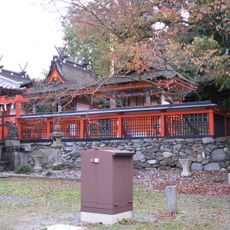
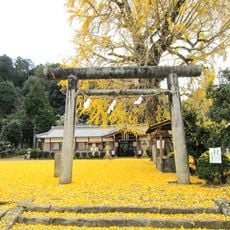
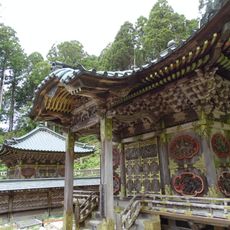
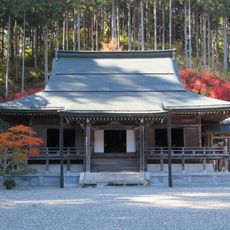
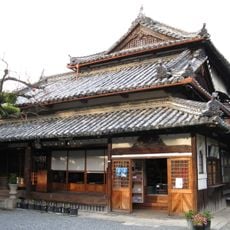
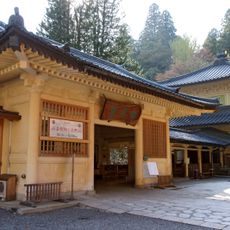
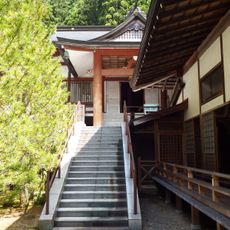
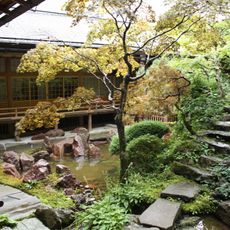
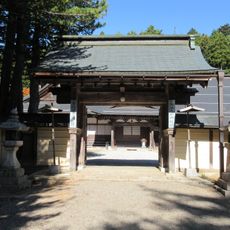
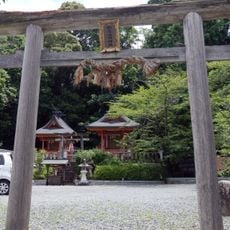
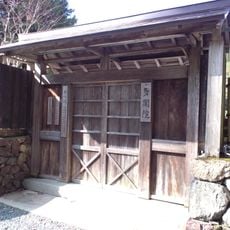
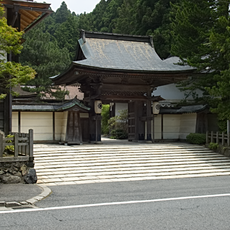
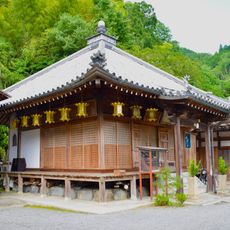
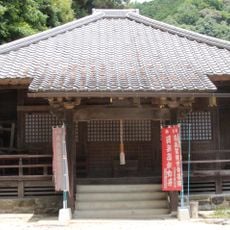
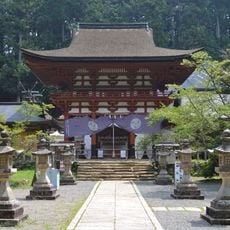
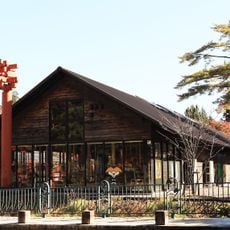
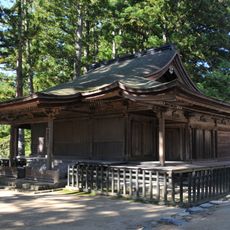
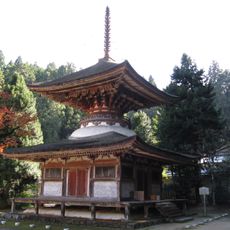
Gobōjakujō-ji, Buddhist temple in Mount Kōya, Japan.
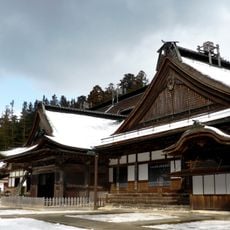
Gobōjakujō-ji is a Shingon temple of the Kōyasan Shingon sect in the Isshin-in valley, one of the ten valleys of Mount Kōya. Its main hall is the former main hall of Chūgū-ji, moved here in 1967 after a 1940 fire destroyed the original. The temple keeps two Important Cultural Properties: a wooden Amida triad and a colored silk painting of Fudō Myōō with three attendants.
The temple was established as part of Mount Kōya, a major spiritual center that the influential monk Kūkai initiated in the 9th century. This project shaped the region as a place for Shingon Buddhism, an important Japanese lineage that remains active today.
The name Gobōjakujō-in comes from five lodging halls (bō) linked to the Lotus Sutra: Myōchi-bō, Hōchi-bō, Renchi-bō, Kechi-bō and Kyōchi-bō, later unified as Isshin-in. The temple belonged to the gakuryo branch of the three administrative bodies of Mount Kōya and received imperial edicts from emperors including Go-Daigo and Go-Kashiwabara, becoming an imperially sponsored temple.
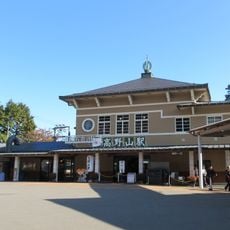
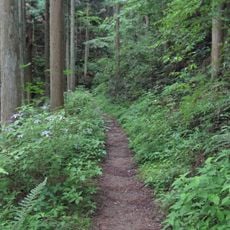
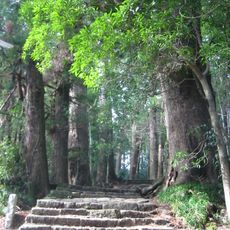
Gobōjakujō-ji stands in the Ichishin'in-dani valley, one of the ten valleys of Mount Kōya, reached by the Nankai Kōya Line to Gokurakubashi and then the cable car to Kōyasan Station. From there, local buses serve the temple districts; the stop for Ichishin'in-dani is a short walk from the gate. The temple is a sub-temple of Kongōbu-ji and lies along the pilgrimage paths, so allow extra time for the climb and check bus times before setting out.
The temple offers a meditation program where visitors can participate in ajikan practice, a focused technique that connects Sanskrit letters with breath work. This specific method differs from other meditation forms and offers insight into Shingon techniques less familiar to most visitors.
The community of curious travelers
AroundUs brings together thousands of curated places, local tips, and hidden gems, enriched daily by 93,068 contributors worldwide.