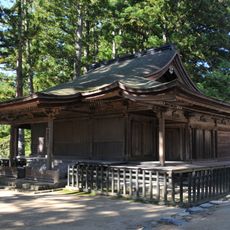
Kongōbu-ji Temple, Buddhist temple in Kōya, Japan
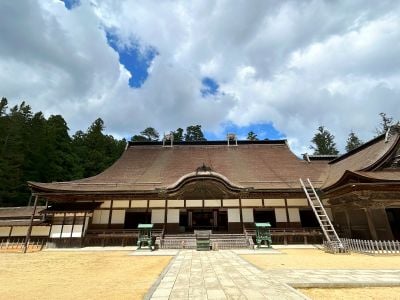
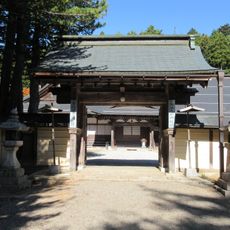
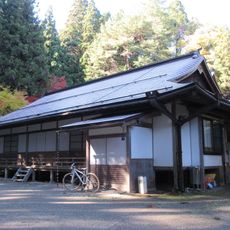
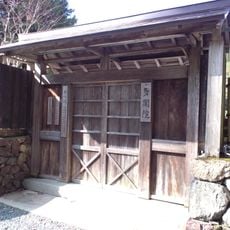
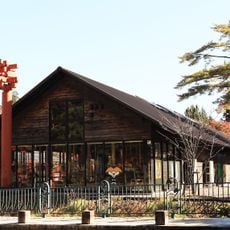
Kongōbu-ji is the head temple of Kōyasan Shingon Buddhism in Kōya, Wakayama Prefecture. It was first built as Seigan-ji in 1593 by Toyotomi Hideyoshi after his mother's death, rebuilt in 1861 and renamed in 1869. Inside are sliding screen doors painted by Kanō Tanyū and the Kyoto Kanō school, and the Banryūtei rock garden of 140 granite stones.
Toyotomi Hideyoshi had the building constructed in 1593 to honor his mother. It later gained status as the headquarters of Shingon Buddhism and underwent several restorations to maintain its role as the central temple.
The name means Temple of the Diamond Peak and reflects the core teaching of the Shingon school. Monks still live here and perform their ceremonies in the inner rooms, while visitors walk through the quiet corridors and see the sliding doors painted with cranes.
You must remove your shoes before entering and receive slippers at the entrance. The main halls are open every day from morning until evening, and the route takes you through several rooms where you should walk quietly on the wooden floors.
The Banryutei rock garden covers 2,340 square metres, making it Japan's largest. Its 140 granite stones are set to suggest two dragons emerging from clouds to guard the temple. Visitors can join the monks for ajikan meditation, a Shingon breathing practice focused on the letter A in the Siddham script.
The community of curious travelers
AroundUs brings together thousands of curated places, local tips, and hidden gems, enriched daily by 92,787 contributors worldwide.