See the monuments around you in AROpen chests in the app
Around Us is built for your phone — point your camera at the streets and discover the monuments and places around you in augmented reality.Around Us is built for your phone — chests unlock when you walk, explore and capture nearby places.
From golden pavilions and bamboo groves to castle ruins floating above clouds, Kansai holds centuries of Japanese history and daily life.
The Kansai region brings together centuries of Japanese history and contemporary life in one area. You can wander through Kyoto's temple grounds and traditional neighborhoods where geisha still walk the streets, then step into the neon-lit energy of Osaka's downtown. In between, you'll find sacred mountains, ancient pilgrimage routes, and hot spring towns nestled in forested valleys. From the golden pavilions reflected in still ponds to the dramatic views from mountain castle ruins, this region shows you how Japan has preserved its past while building its future. Whether you're seeking spiritual spaces like the monastery complexes of Koyasan or the waterfalls and cedar forests of Kumano, or you prefer coastal views and thermal waters, Kansai offers something at every turn. The region stretches across multiple prefectures - Kyoto, Osaka, Nara, Hyogo, Wakayama, and Shiga - each with its own character. You'll visit markets filled with local food, castles that still stand much as they did centuries ago, mountain parks where deer roam freely, and quiet shrines tucked into hillsides. This collection covers the places that shape how people experience central Japan today.
From golden pavilions and bamboo groves to castle ruins floating above clouds, Kansai holds centuries of Japanese history and daily life.
The Kansai region brings together centuries of Japanese history and contemporary life in one area. You can wander through Kyoto's temple grounds and traditional neighborhoods where geisha still walk the streets, then step into the neon-lit energy of Osaka's downtown. In between, you'll find sacred mountains, ancient pilgrimage routes, and hot spring towns nestled in forested valleys. From the golden pavilions reflected in still ponds to the dramatic views from mountain castle ruins, this region shows you how Japan has preserved its past while building its future. Whether you're seeking spiritual spaces like the monastery complexes of Koyasan or the waterfalls and cedar forests of Kumano, or you prefer coastal views and thermal waters, Kansai offers something at every turn. The region stretches across multiple prefectures - Kyoto, Osaka, Nara, Hyogo, Wakayama, and Shiga - each with its own character. You'll visit markets filled with local food, castles that still stand much as they did centuries ago, mountain parks where deer roam freely, and quiet shrines tucked into hillsides. This collection covers the places that shape how people experience central Japan today.
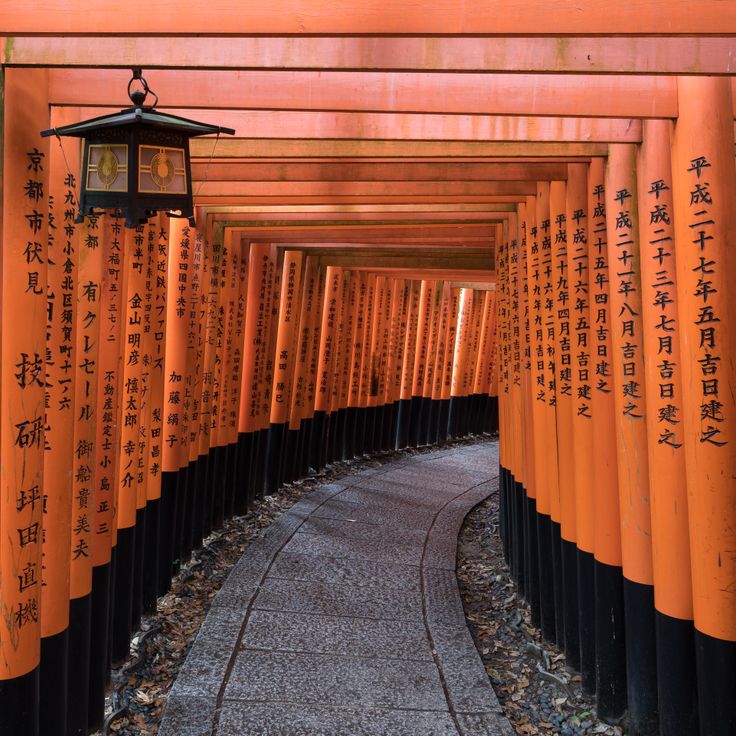
Fushimi Inari Taisha sits at the southern edge of Kyoto and is one of the most visited shrines in Japan. Thousands of bright red torii gates line the paths that wind up the forested slopes of Mount Inari. The gates stand so close together that walking through them feels like moving through a tunnel of wood and color. The shrine is dedicated to Inari, the fox deity, and small fox statues appear all along the route. People visit at all hours, but early morning or late evening offers a very different experience.
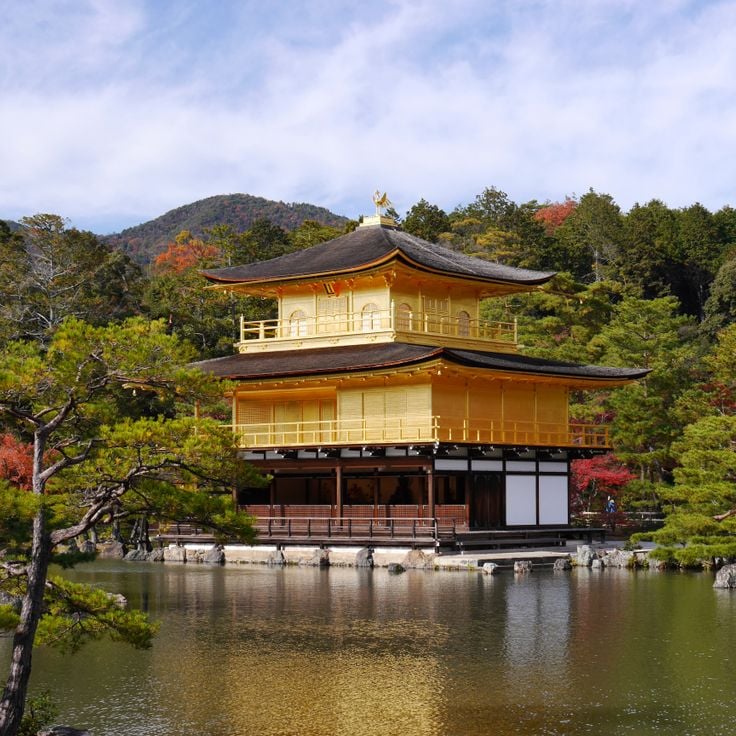
Kinkaku-ji, the Golden Pavilion, is one of the most recognized sights in Kyoto. The building is covered in gold leaf and stands at the edge of a still pond, where its reflection shimmers on the water. Walking around the grounds gives you a clear sense of why this temple has drawn visitors to Kyoto for centuries.
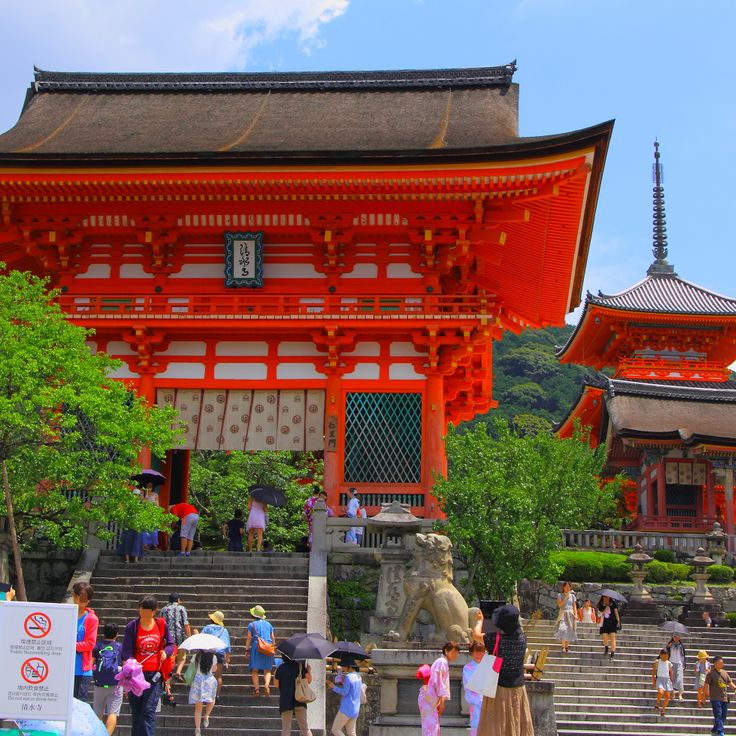
Kiyomizu-dera is a temple in Kyoto built into the side of a forested hill. Its large wooden terrace juts out over the slope and gives a broad view over the city rooftops. The structure was built without a single nail, and it is listed as a UNESCO World Heritage site. The lanes leading up to the temple are lined with small shops selling local sweets and crafts, making the walk to the entrance part of the visit itself.
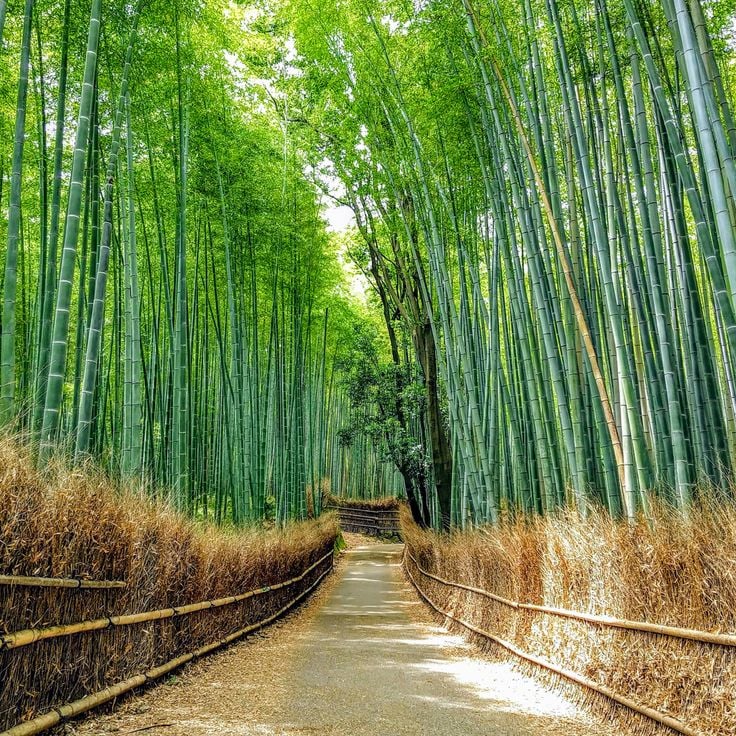
The Arashiyama Bamboo Grove sits at the western edge of Kyoto and is one of the most visited spots in the Kansai region. A narrow path runs between rows of bamboo that grow so tall and dense that they block out much of the sky. The light filters through in thin strips, and the sound of the city fades away. When the wind blows, the stalks knock softly against each other, filling the air with a low, hollow sound.
Gion is Kyoto's most storied old neighborhood. Narrow wooden townhouses line the streets, and on cobblestone lanes like Hanamikoji you may spot a geisha or maiko heading to an evening appointment. The lantern-lit streets at dusk give the area a feeling that belongs to another century, making it one of the most evocative corners of central Japan.
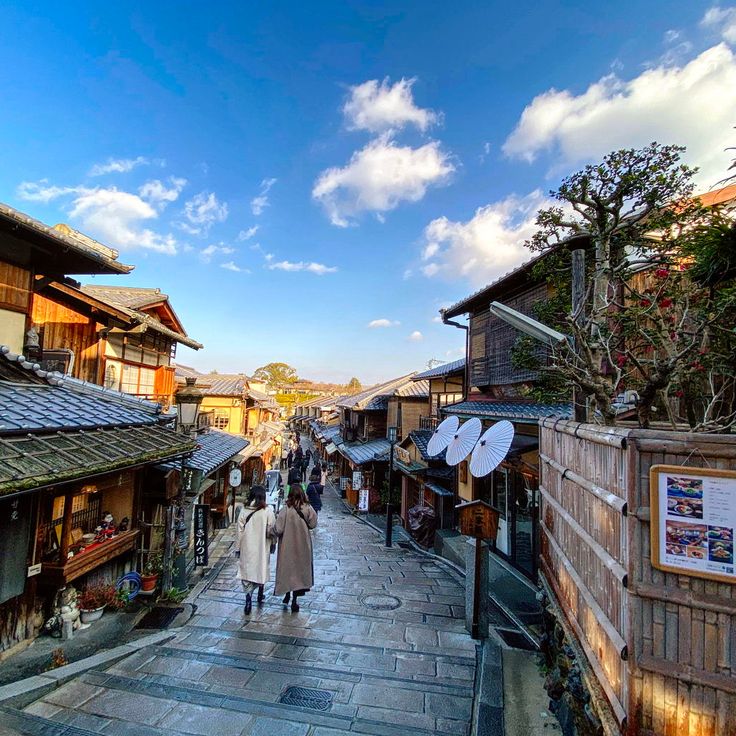
Ninenzaka and Sannenzaka are two stone-paved lanes in Kyoto that climb gently toward Kiyomizudera temple. Old wooden shopfronts line both sides of the path, selling local sweets, ceramics, and tea. As you walk up, the five-story Yasaka pagoda comes into view above the rooftops. These two lanes give a clear sense of how this part of Kyoto looked centuries ago, and they remain a living part of the neighborhood rather than a frozen display.
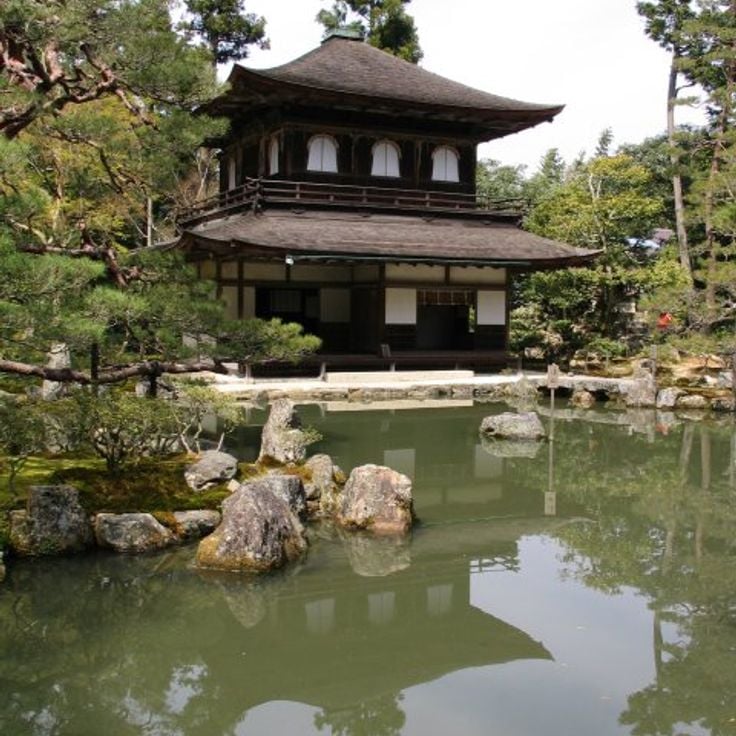
Ginkaku-ji, known as the Silver Pavilion, is a Zen temple on the eastern edge of Kyoto. The garden here is one of the most thoughtfully arranged in the city, with raked gravel, mossy ground, a pond, and a shaped sand mound that recalls Mount Fuji. This temple also marks the start of the Philosopher's Walk, a canal-side path lined with cherry trees that leads south through a quiet residential part of the city.
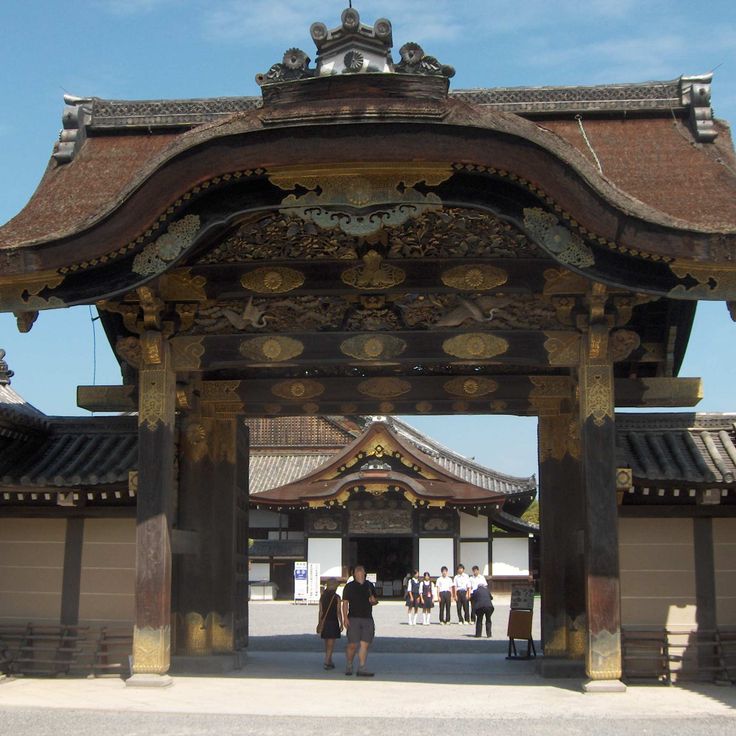
Nijo-jo Castle in Kyoto served as the residence of Tokugawa Ieyasu, the shogun who unified Japan in the early 17th century. The palace rooms inside are covered with painted screens and carved wooden details. The castle is known for its nightingale floors, wooden boards that squeak softly when walked on, a feature designed to alert guards to any movement.
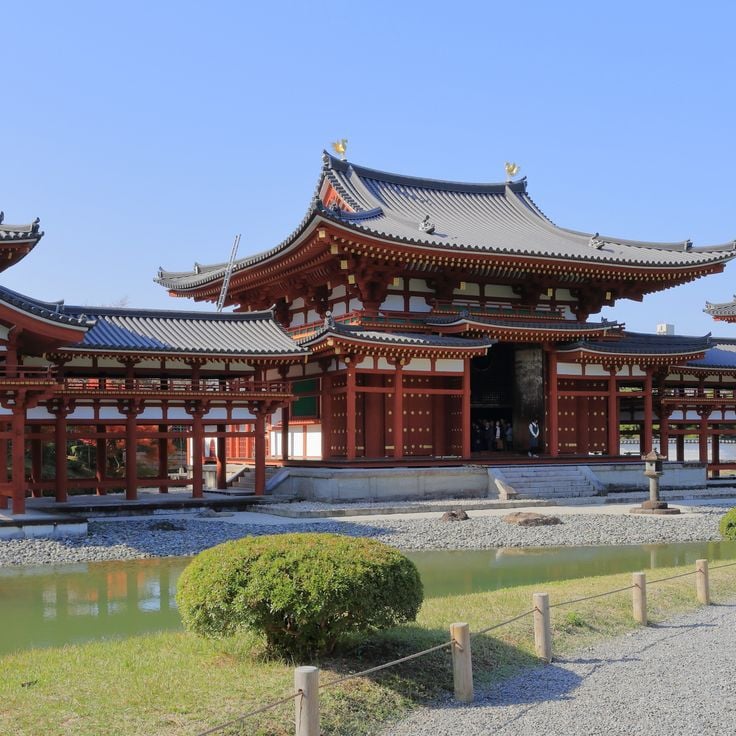
Byodo-in is a Buddhist temple in Uji, just south of Kyoto, best known for its Phoenix Hall. The building sits at the edge of a pond and seems to float on the water when you look at it from the shore. The Phoenix Hall is so recognized across Japan that it appears on the 10-yen coin. Uji is also one of the main centers for matcha tea in the country, and the streets around the temple are lined with tea shops where you can try locally grown green tea.
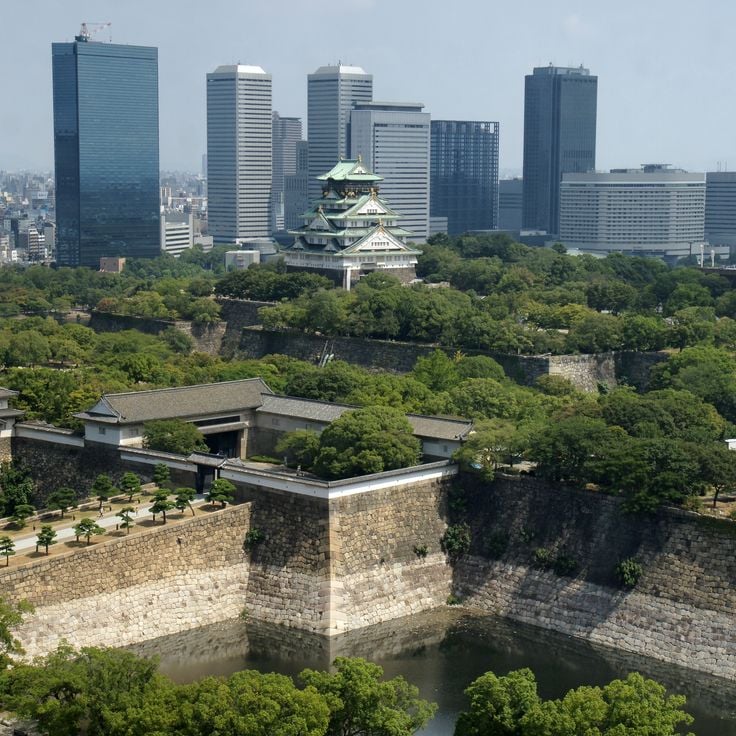
Osaka Castle is one of Japan's most recognized landmarks, rising above the city in a large park surrounded by stone walls and moats. The white and green tower was first built in the 16th century and has been rebuilt several times since. Inside, a museum tells the story of the castle and the battles tied to it. From the top floor, you get a wide view over the city and surrounding area.
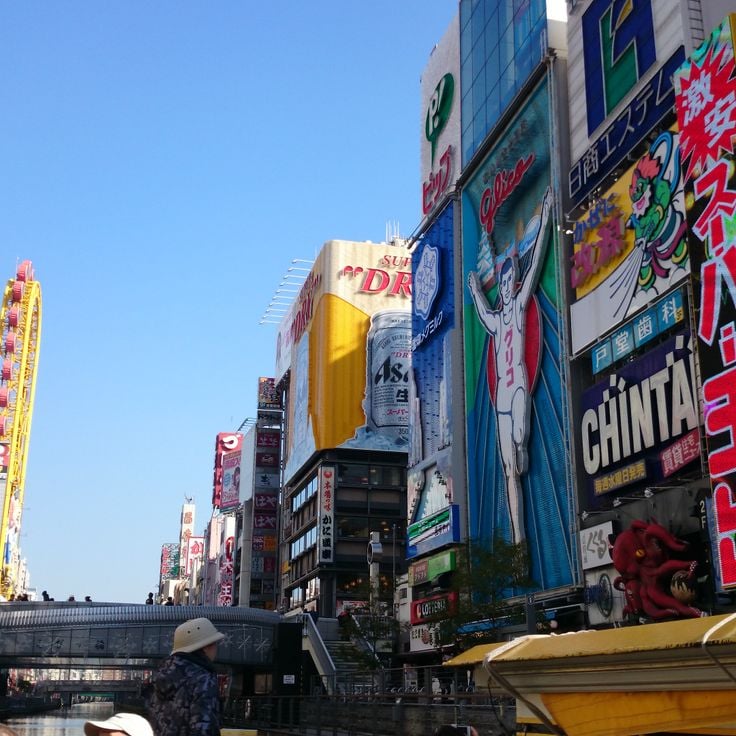
Dotonbori is the center of Osaka's entertainment district. Restaurants, street food stalls, and shops line both sides of the canal, lit up by neon signs and large billboards through the night. The streets fill with people at all hours, eating, walking, and watching the crowds. This is what modern Osaka looks and feels like at its most direct.
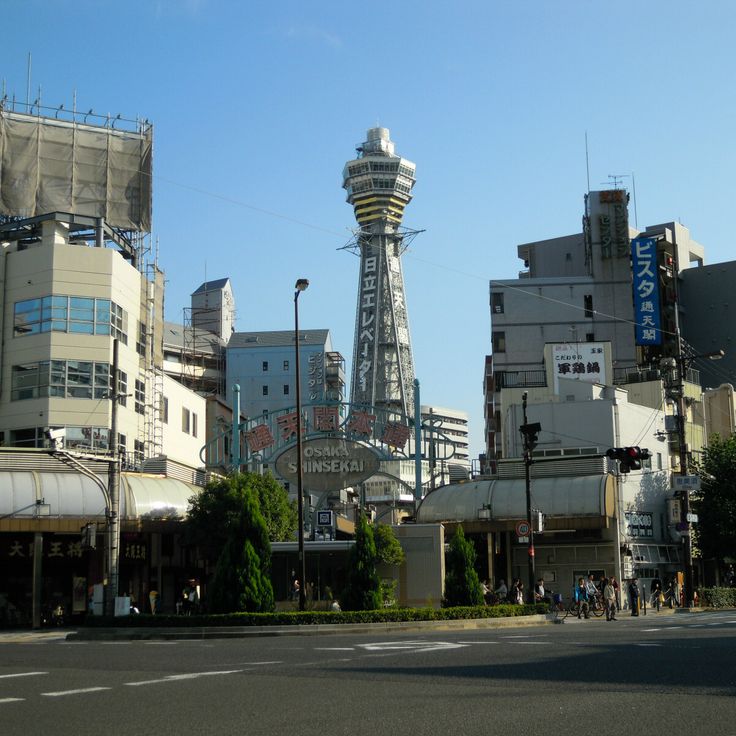
Shinsekai is an old neighborhood in Osaka that feels different from the sleek shopping streets nearby. At its center stands the Tsutenkaku tower, a landmark from the 1950s that gives the area its character. Around it, you find small restaurants, game halls, and street stalls selling kushikatsu, fried meat and vegetable skewers. The streets look a little out of time, with colorful neon signs and old storefronts.
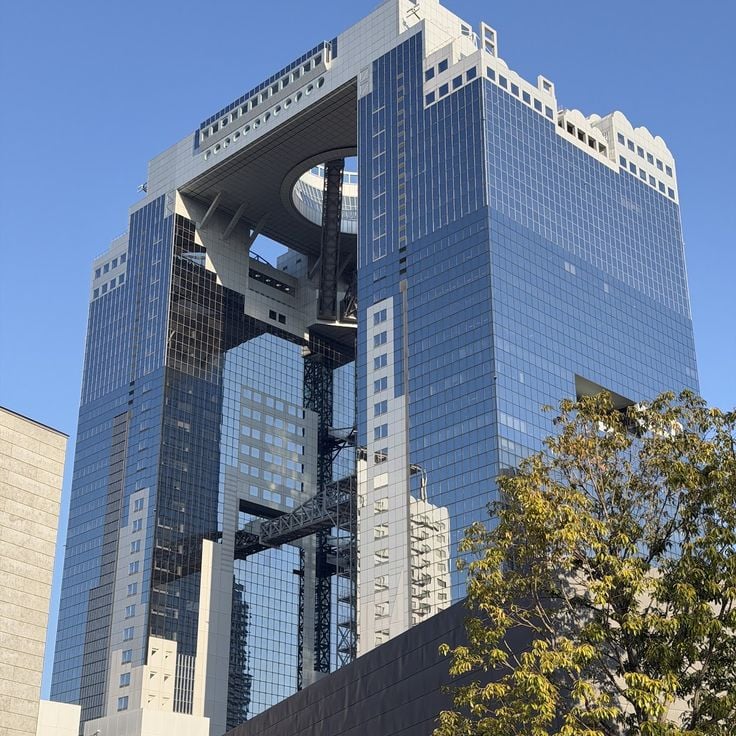
The Umeda Sky Building is made of two towers connected by a circular platform near the top, reached by an escalator that crosses open air. From up there, you can see Osaka spread out in every direction, from the river neighborhoods to the mountains in the distance.
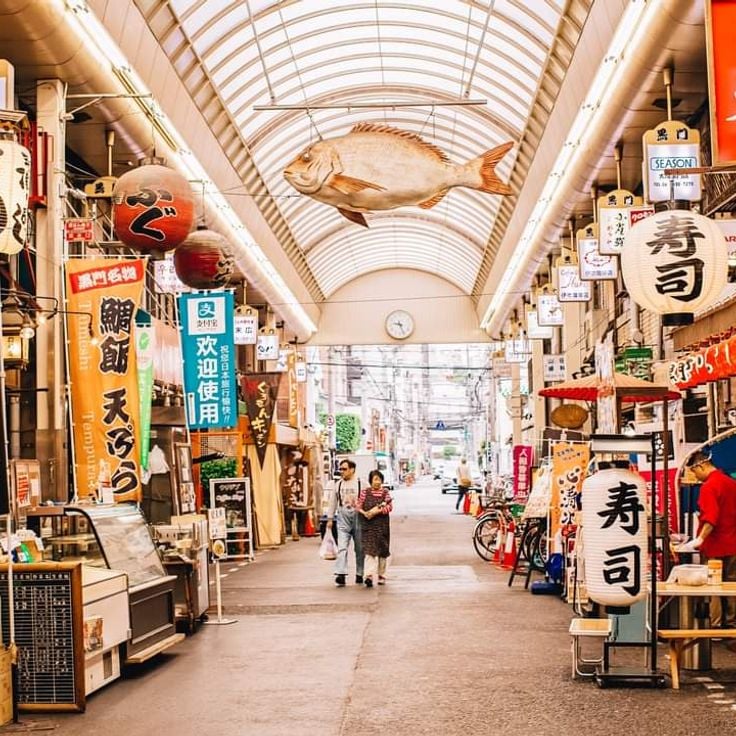
Kuromon Ichiba Market is a covered market in central Osaka where vendors sell fresh seafood, vegetables, and Kansai regional specialties. Stalls sit close together, and the smell of grilled fish and fresh ingredients follows you the whole way through. Local cooks and residents have been shopping here for generations, giving the market its own daily rhythm.
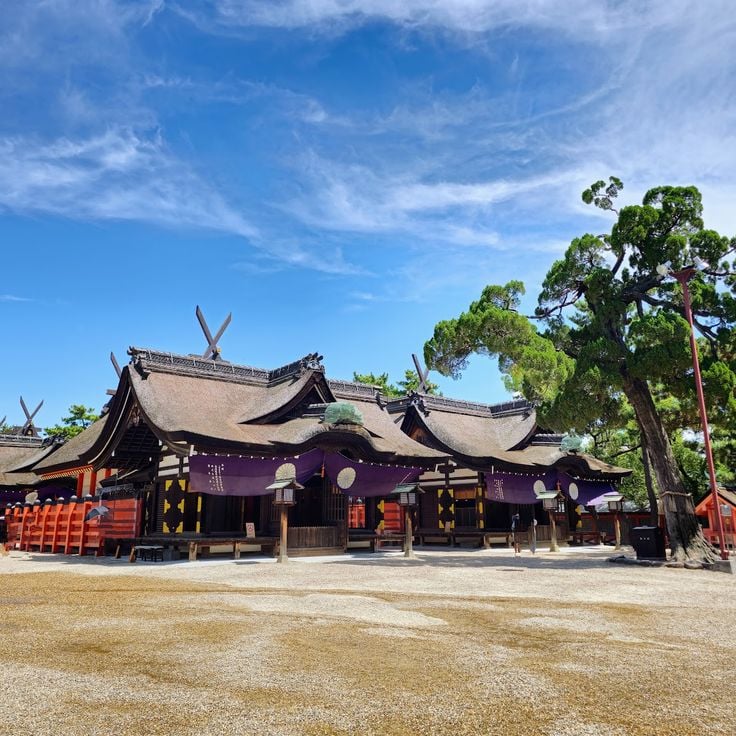
Sumiyoshi Taisha in Osaka is one of the oldest Shinto shrines in Japan. Its architectural style, known as Sumiyoshi-zukuri, predates Chinese influence on Japanese building traditions. Visitors cross a high, arched bridge to enter the grounds, where several wooden halls stand in a wooded setting. The shrine is dedicated to the gods of the sea and is closely tied to local life in Osaka.
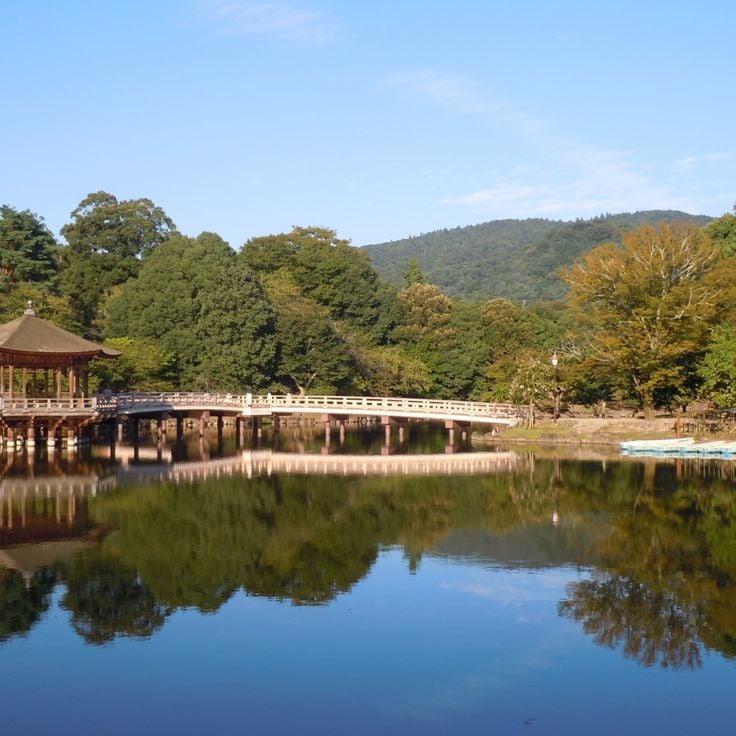
Nara Park sits at the heart of the old capital of Nara and is one of the most recognizable stops in the Kansai region. Here, hundreds of deer move freely among visitors, shrines, and temple grounds. The animals are used to people and often walk right up to them. Walking through the park feels different from any ordinary city park: the deer set the pace.
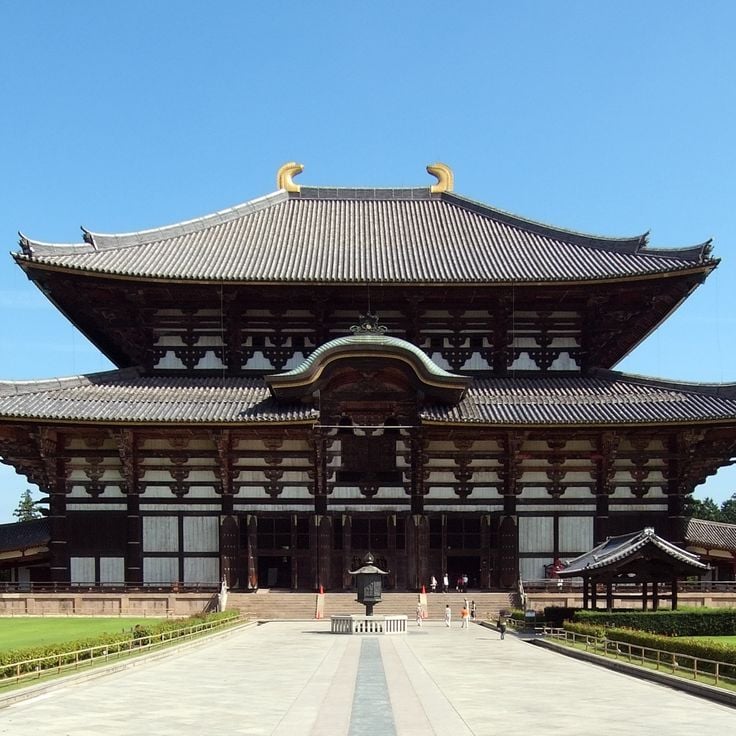
Todai-ji is a vast temple complex in Nara built around one of Japan's largest bronze Buddha statues, known as the Daibutsu. The wooden hall that houses it is enormous, and standing inside gives a real sense of scale. Deer roam freely in the park around the temple, making the walk up to the gates feel unlike anywhere else in the Kansai region.
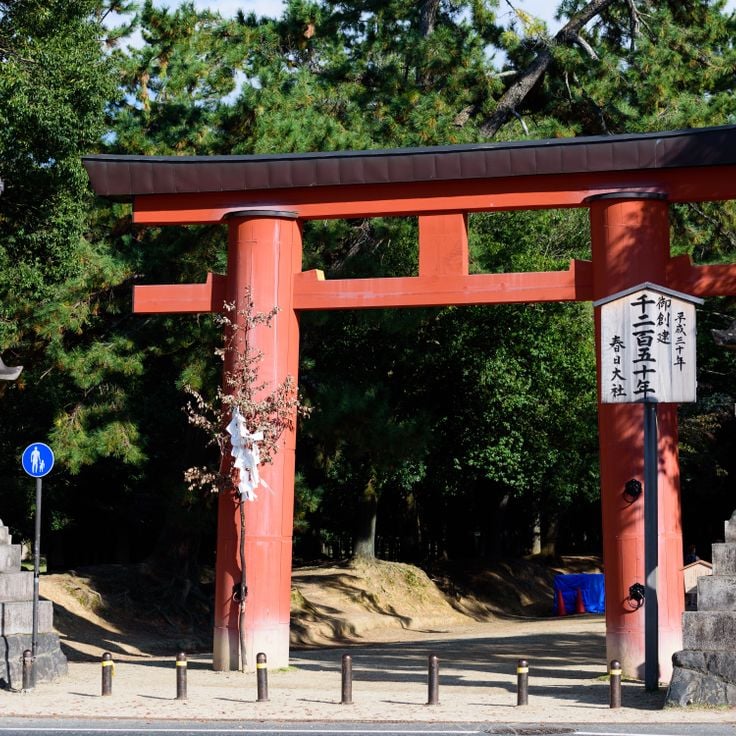
Kasuga Taisha is one of the most visited Shinto shrines in Japan and sits in the forested hills of Nara. Hundreds of stone and bronze lanterns line the pathways and hang from the structures. Twice a year, during the Mantoro festival, all the lanterns are lit at once, bathing the shrine in warm, flickering light.
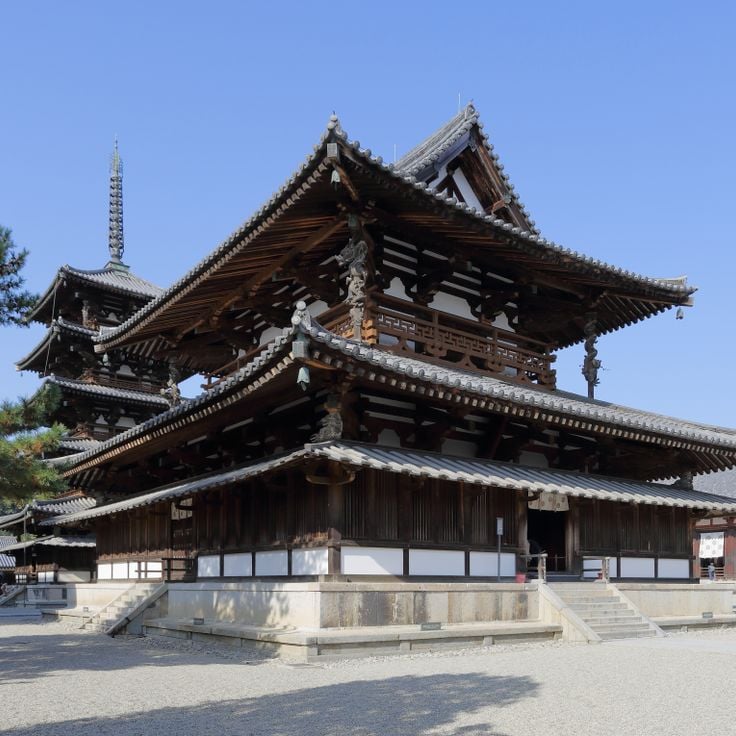
Horyu-ji sits just outside Nara and is home to some of the oldest wooden buildings standing anywhere on earth. Built in the 7th century, this Buddhist temple complex lets you walk among structures that have survived for over 1,000 years. The pagoda and main hall feel remarkably old, and the whole site has the calm of a place that has barely changed over the centuries.
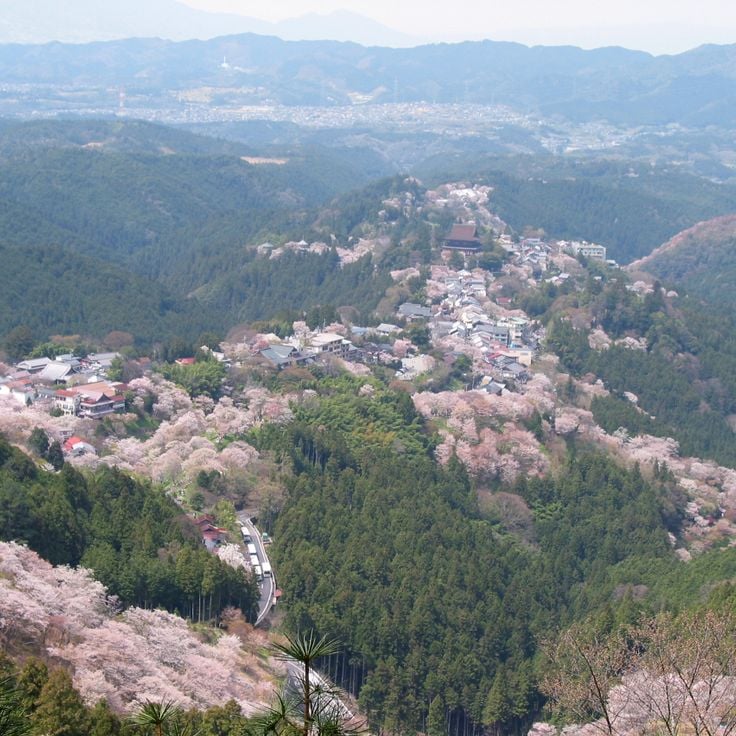
Mount Yoshino is a mountain in Nara Prefecture covered in thousands of cherry trees. In spring, the hillsides turn soft pink, and people travel from far away to see the blossoms. This site has a long history as a pilgrimage destination and is one of the oldest places in Japan where people have gathered to view cherry blossoms.
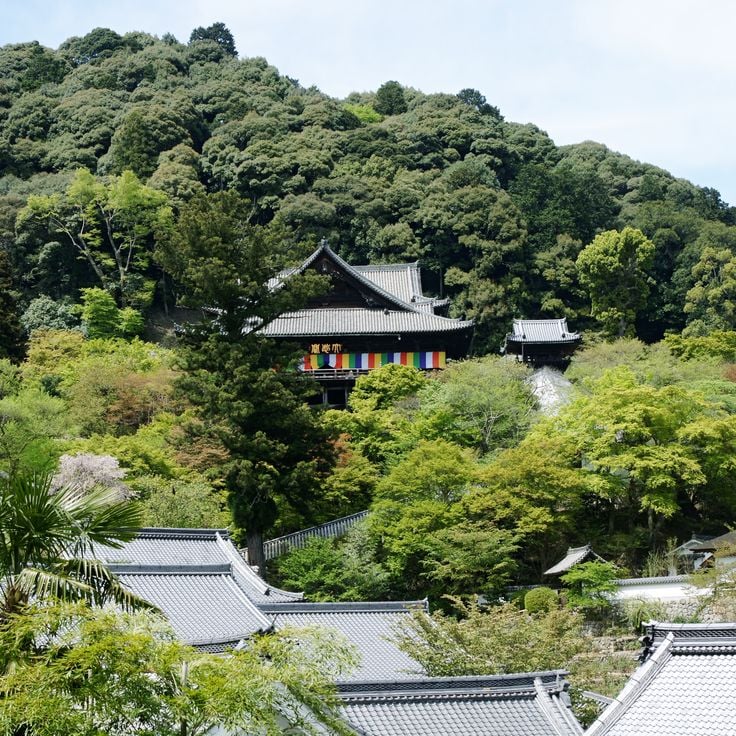
Hasedera Temple sits on a wooded mountainside in Nara, reached by long covered staircases lined with seasonal flowers. At the top, the wooden main hall hangs over the slope, and the view stretches across the green valley below. This temple has been a place of pilgrimage for over a thousand years and remains one of the most visited religious sites in the Kansai region.
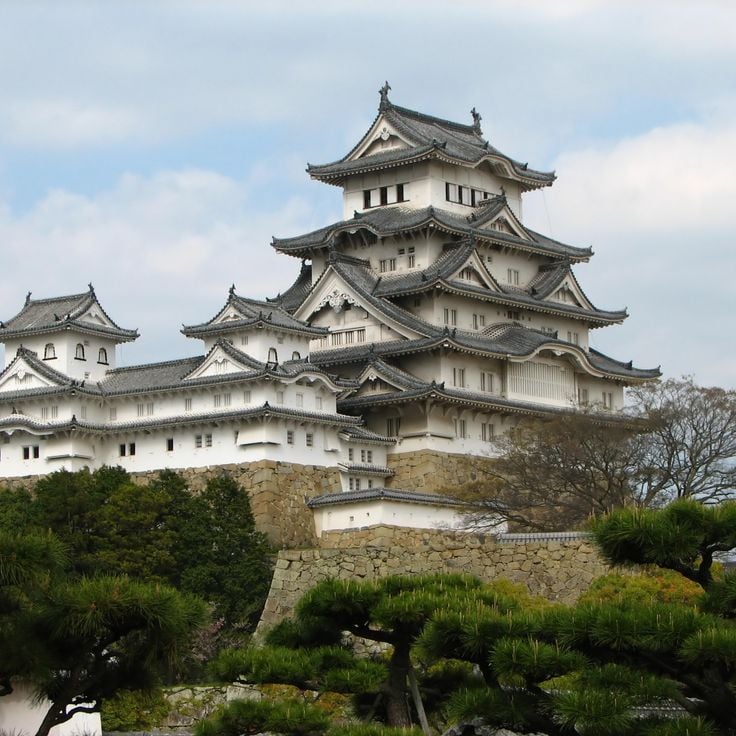
Himeji Castle, in Hyogo Prefecture, is one of the best-preserved castles in Japan and a UNESCO World Heritage Site. Its white walls and layered roofs rise above the city and can be seen from far away. Walking through the gates gives a real sense of how a feudal castle looked and worked centuries ago.
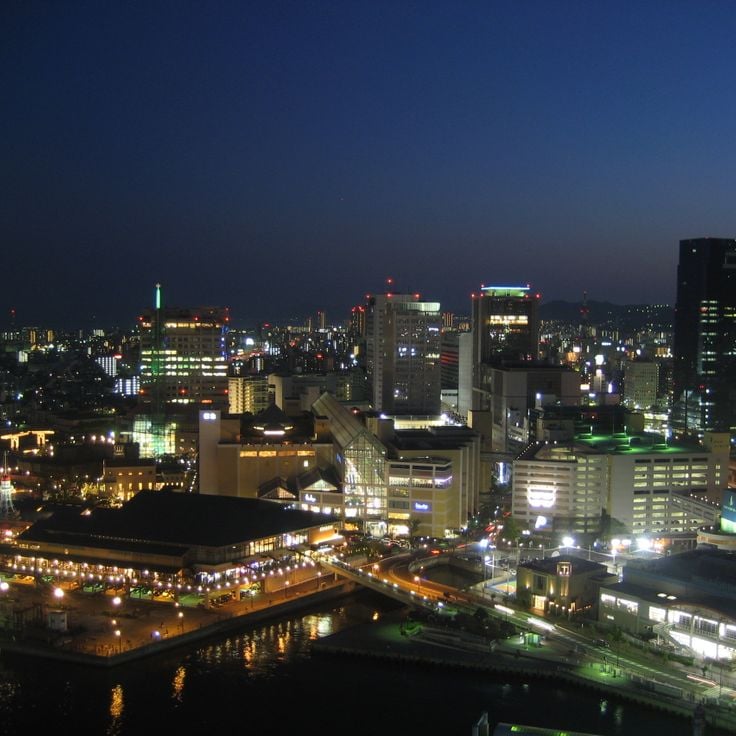
Kobe Harborland sits along the bay and shows a side of Kansai that feels different from the region's temples and old streets. Here, the focus is on the water, the port, and modern city life. Families and couples walk the promenade during the day, while at night the lights of the city reflect across the bay, giving the whole area a look that few other spots in the region can match.
Mount Rokko rises above Kobe and looks out over the bay, the city below, and the coastline stretching toward Osaka. The views are good during the day, but at night the lights of the city spread across the water in a way that many visitors find hard to forget. It is one of the natural landmarks of the Kansai region worth visiting at dusk.
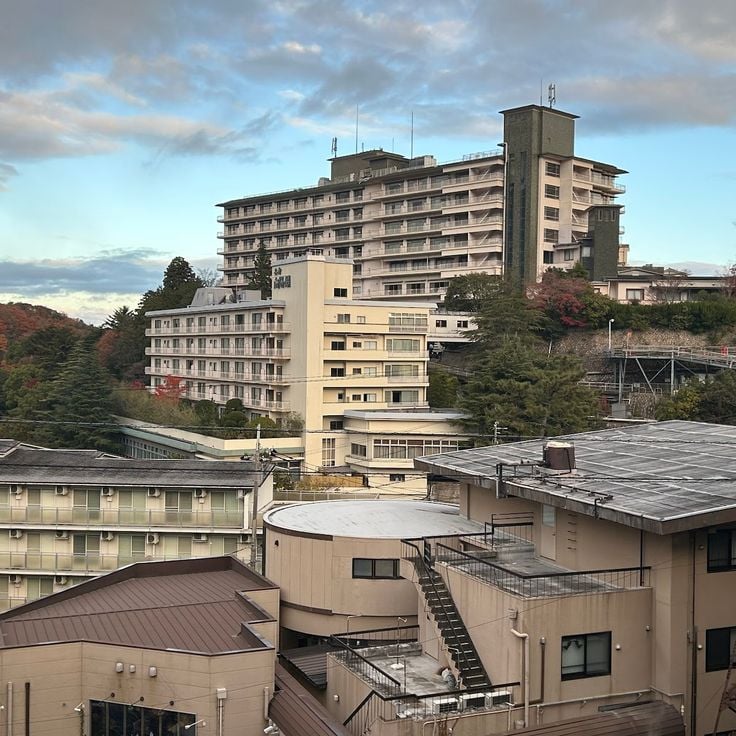
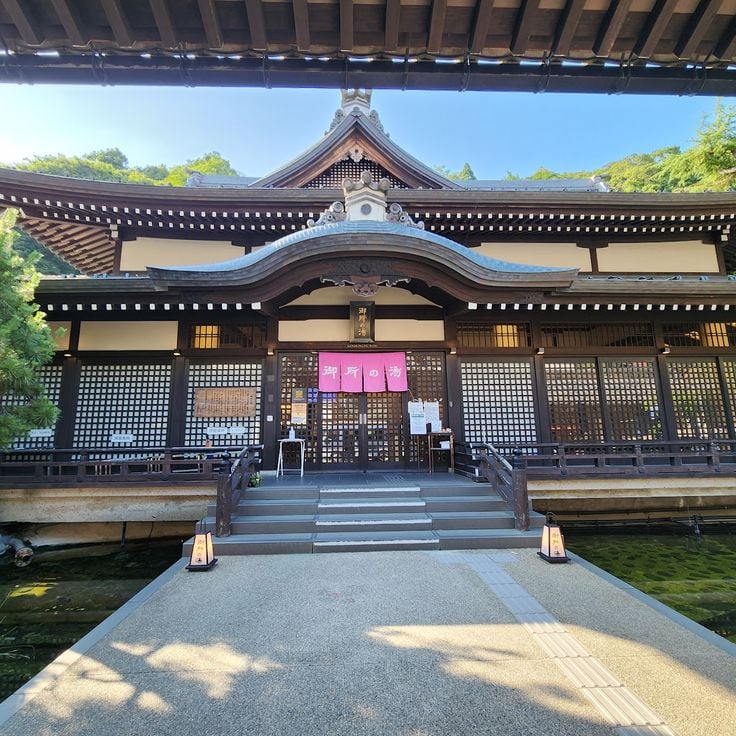
Arima Onsen is one of Japan's oldest hot spring towns and sits in the mountains just behind Kobe. The waters come in two types: a dark, iron-rich kind called gold water, and a clear, lighter kind called silver water. Narrow lanes run between small shops and old wooden inns, where guests walk around in yukata robes. This town gives visitors a slower pace, away from the city, but is easy to reach from Osaka or Kobe in under an hour.
Kinosaki Onsen is one of Japan's most traditional hot spring towns. Visitors put on a yukata robe and wooden sandals, then walk along the willow-lined canal to move between the town's seven public baths. The streets feel unhurried, and the rhythm of the day follows the rise and fall of bath times.
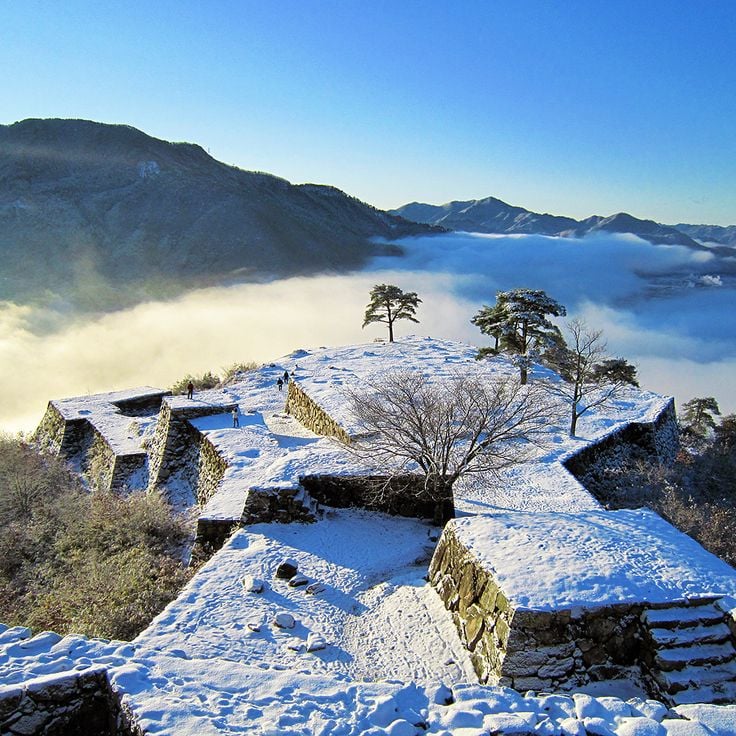
The Takeda Castle Ruins sit on a mountain summit in Hyogo, with stone walls that have stood for centuries. On cool autumn mornings, a thick layer of cloud often fills the valley below, leaving the ruins floating above the mist. The climb to the top is steep, but the view of the surrounding mountains and valleys makes the effort worthwhile. This is one of the rare places where a medieval castle site feels untouched by time.
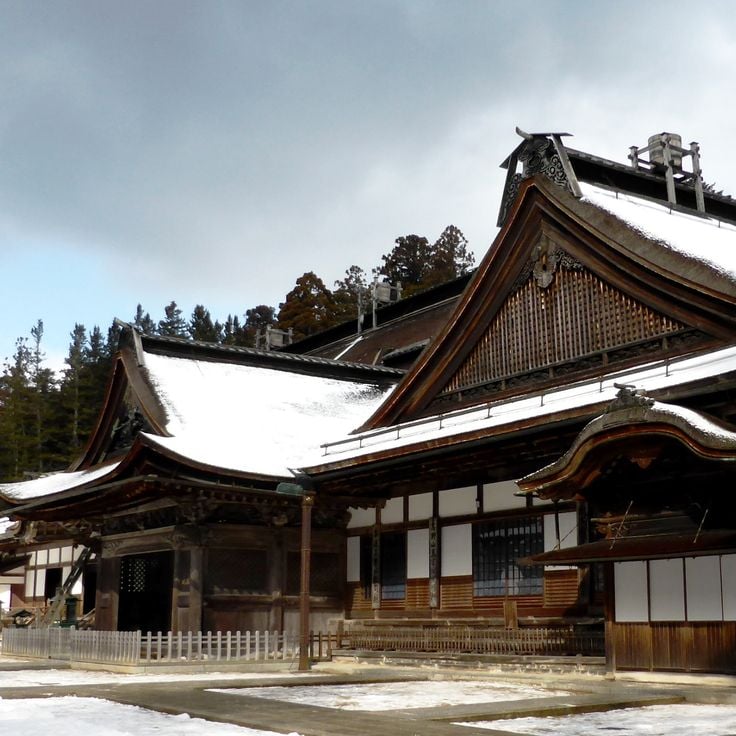
Koyasan sits on a mountaintop in Wakayama Prefecture and is one of the oldest Buddhist centers in Japan. Founded more than 1,000 years ago as a monastic settlement, this site now holds over 100 temples, many of which welcome overnight guests. The air is cool, the paths run between old cedar trees, and the Okunoin cemetery with its moss-covered stones gives a deep sense of stillness.
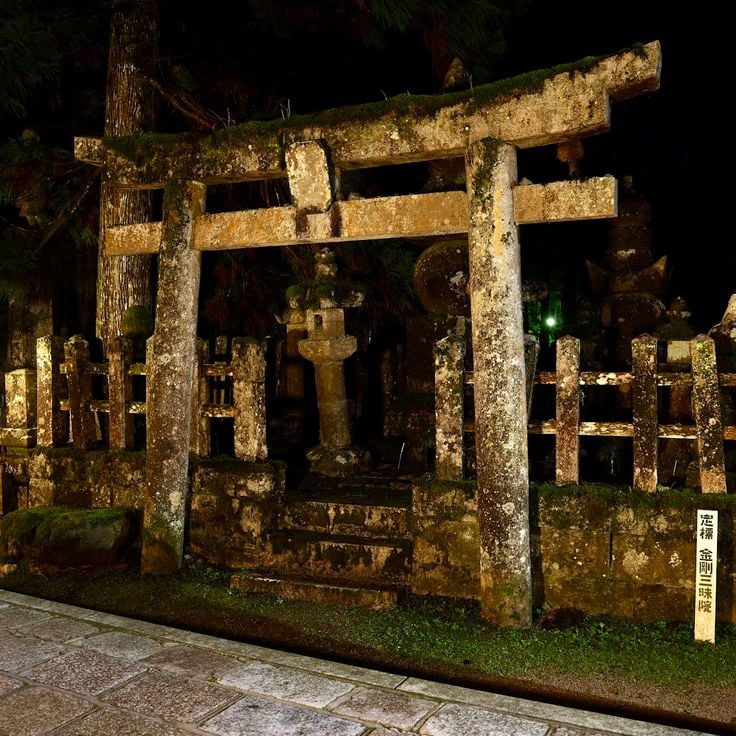
Okunoin Cemetery is the most sacred site in Koyasan, a mountain town in Wakayama Prefecture. A long path runs through an old cedar forest, lined with moss-covered gravestones and memorial monuments from many centuries. Shingon Buddhist monks bring daily offerings to the mausoleum of the monastery founder Kukai, and pilgrims in white robes walk the path at all hours of the day.
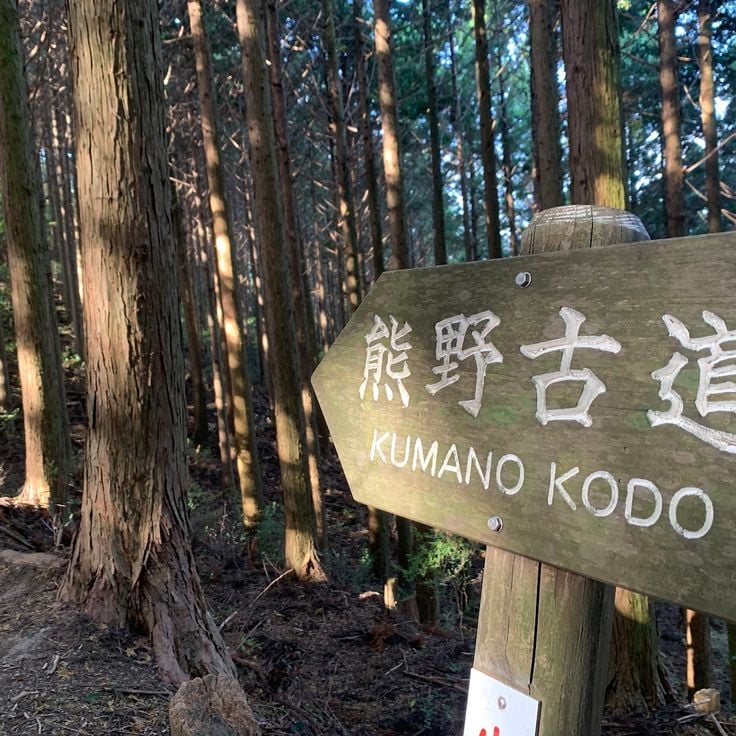
The Kumano Kodo is an old network of pilgrimage paths that wind through the mountains and cedar forests of the Kii Peninsula. The trails pass waterfalls, small shrines, and stone-paved stretches worn down by centuries of foot traffic. Walking here, you follow the same routes that emperors and common pilgrims have taken for over a thousand years. This is one of the places that gives the Kansai region its deep connection to Japanese spiritual life.
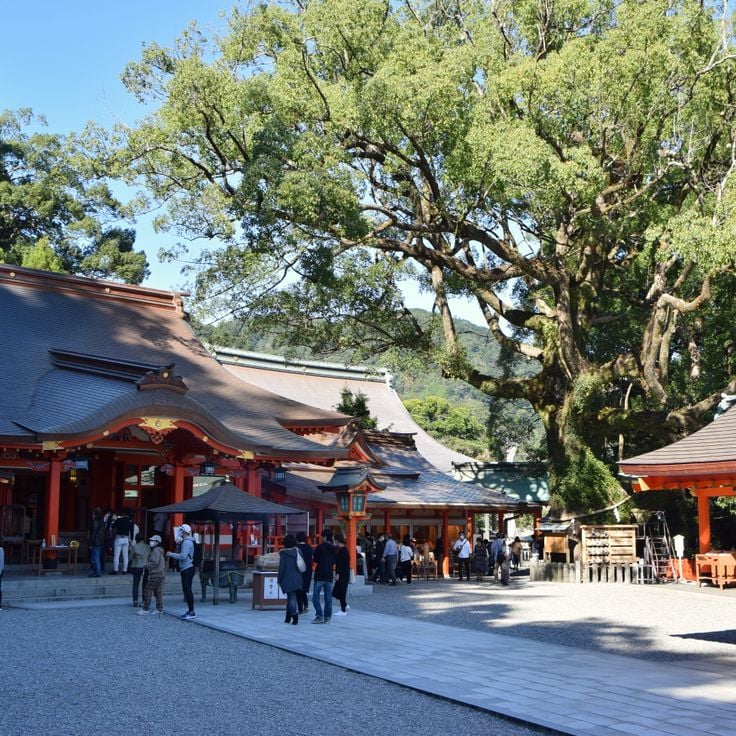
Kumano Nachi Taisha is a Shinto shrine set deep in the forested mountains of the Kii Peninsula. A wooden pagoda rises beside Nachi Falls, one of the tallest single-drop waterfalls in Japan. Pilgrims have walked here for centuries along ancient mountain routes, and the site still draws people who come to pray and to stand before the falling water.
Lake Biwa, in Shiga Prefecture, is Japan's largest freshwater lake. It sits among mountains, with old shrines, sandy beaches, and small historic towns along its shores. It is a natural landmark at the heart of the Kansai region.
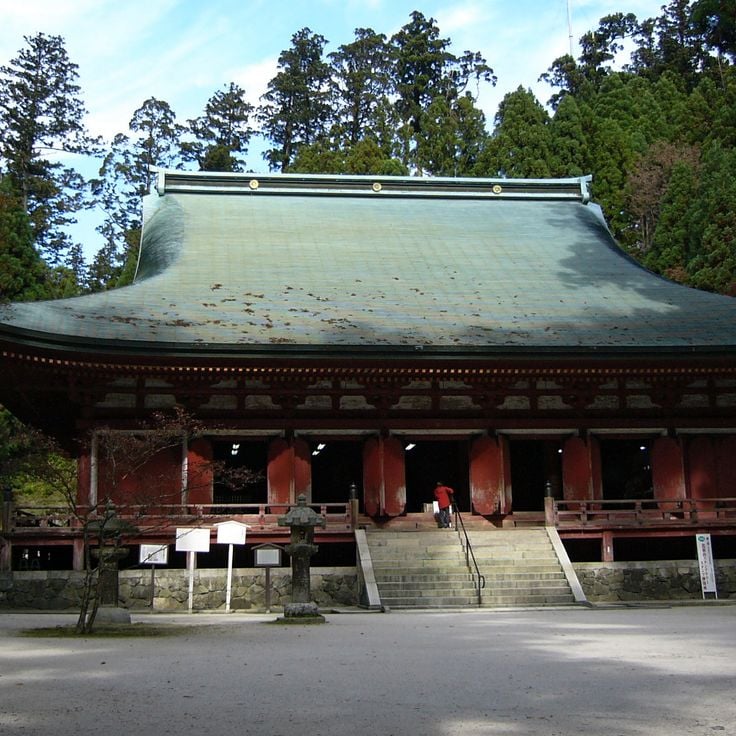
Enryaku-ji sits on Mount Hiei, above Kyoto and Lake Biwa. This monastery complex is one of the most important places in the history of Japanese Buddhism. Across its grounds, you will find ancient halls and pagodas that monks have visited for centuries, walking the same paths through the forested mountain.
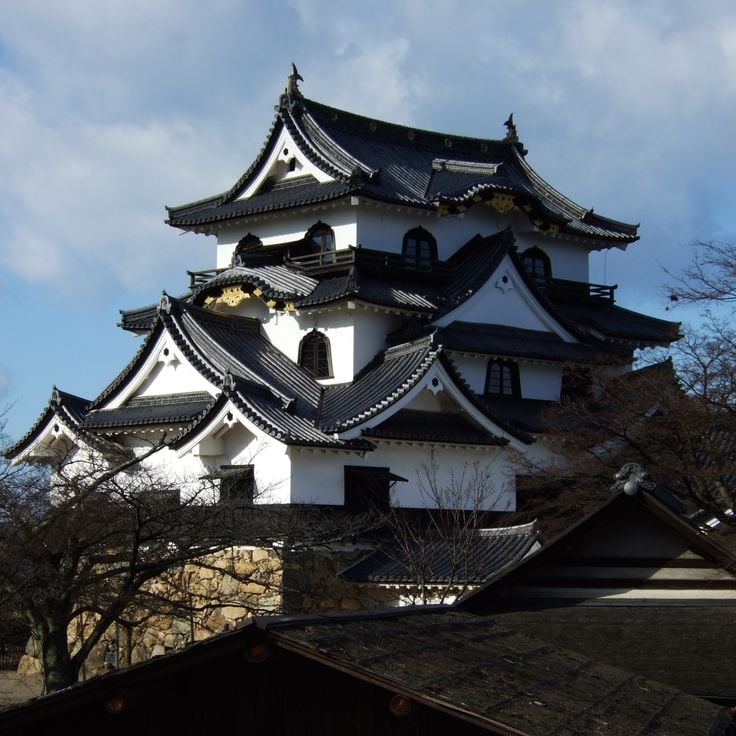
Hikone Castle is one of the few castles in Japan that still has its original feudal-era keep. It stands above Lake Biwa, and from its upper floors you can look out over the water stretching toward the mountains. Walking through the grounds gives a clear sense of how these places once looked and felt.
Fushimi Inari Taisha sits at the southern edge of Kyoto and is one of the most visited shrines in Japan. Thousands of bright red torii gates line the paths that wind up the forested slopes of Mount Inari. The gates stand so close together that walking through them feels like moving through a tunnel of wood and color. The shrine is dedicated to Inari, the fox deity, and small fox statues appear all along the route. People visit at all hours, but early morning or late evening offers a very different experience.
Kinkaku-ji, the Golden Pavilion, is one of the most recognized sights in Kyoto. The building is covered in gold leaf and stands at the edge of a still pond, where its reflection shimmers on the water. Walking around the grounds gives you a clear sense of why this temple has drawn visitors to Kyoto for centuries.
Kiyomizu-dera is a temple in Kyoto built into the side of a forested hill. Its large wooden terrace juts out over the slope and gives a broad view over the city rooftops. The structure was built without a single nail, and it is listed as a UNESCO World Heritage site. The lanes leading up to the temple are lined with small shops selling local sweets and crafts, making the walk to the entrance part of the visit itself.
The Arashiyama Bamboo Grove sits at the western edge of Kyoto and is one of the most visited spots in the Kansai region. A narrow path runs between rows of bamboo that grow so tall and dense that they block out much of the sky. The light filters through in thin strips, and the sound of the city fades away. When the wind blows, the stalks knock softly against each other, filling the air with a low, hollow sound.
Gion is Kyoto's most storied old neighborhood. Narrow wooden townhouses line the streets, and on cobblestone lanes like Hanamikoji you may spot a geisha or maiko heading to an evening appointment. The lantern-lit streets at dusk give the area a feeling that belongs to another century, making it one of the most evocative corners of central Japan.
Ninenzaka and Sannenzaka are two stone-paved lanes in Kyoto that climb gently toward Kiyomizudera temple. Old wooden shopfronts line both sides of the path, selling local sweets, ceramics, and tea. As you walk up, the five-story Yasaka pagoda comes into view above the rooftops. These two lanes give a clear sense of how this part of Kyoto looked centuries ago, and they remain a living part of the neighborhood rather than a frozen display.
Ginkaku-ji, known as the Silver Pavilion, is a Zen temple on the eastern edge of Kyoto. The garden here is one of the most thoughtfully arranged in the city, with raked gravel, mossy ground, a pond, and a shaped sand mound that recalls Mount Fuji. This temple also marks the start of the Philosopher's Walk, a canal-side path lined with cherry trees that leads south through a quiet residential part of the city.
Nijo-jo Castle in Kyoto served as the residence of Tokugawa Ieyasu, the shogun who unified Japan in the early 17th century. The palace rooms inside are covered with painted screens and carved wooden details. The castle is known for its nightingale floors, wooden boards that squeak softly when walked on, a feature designed to alert guards to any movement.
Byodo-in is a Buddhist temple in Uji, just south of Kyoto, best known for its Phoenix Hall. The building sits at the edge of a pond and seems to float on the water when you look at it from the shore. The Phoenix Hall is so recognized across Japan that it appears on the 10-yen coin. Uji is also one of the main centers for matcha tea in the country, and the streets around the temple are lined with tea shops where you can try locally grown green tea.
Osaka Castle is one of Japan's most recognized landmarks, rising above the city in a large park surrounded by stone walls and moats. The white and green tower was first built in the 16th century and has been rebuilt several times since. Inside, a museum tells the story of the castle and the battles tied to it. From the top floor, you get a wide view over the city and surrounding area.
Dotonbori is the center of Osaka's entertainment district. Restaurants, street food stalls, and shops line both sides of the canal, lit up by neon signs and large billboards through the night. The streets fill with people at all hours, eating, walking, and watching the crowds. This is what modern Osaka looks and feels like at its most direct.
Shinsekai is an old neighborhood in Osaka that feels different from the sleek shopping streets nearby. At its center stands the Tsutenkaku tower, a landmark from the 1950s that gives the area its character. Around it, you find small restaurants, game halls, and street stalls selling kushikatsu, fried meat and vegetable skewers. The streets look a little out of time, with colorful neon signs and old storefronts.
The Umeda Sky Building is made of two towers connected by a circular platform near the top, reached by an escalator that crosses open air. From up there, you can see Osaka spread out in every direction, from the river neighborhoods to the mountains in the distance.
Kuromon Ichiba Market is a covered market in central Osaka where vendors sell fresh seafood, vegetables, and Kansai regional specialties. Stalls sit close together, and the smell of grilled fish and fresh ingredients follows you the whole way through. Local cooks and residents have been shopping here for generations, giving the market its own daily rhythm.
Sumiyoshi Taisha in Osaka is one of the oldest Shinto shrines in Japan. Its architectural style, known as Sumiyoshi-zukuri, predates Chinese influence on Japanese building traditions. Visitors cross a high, arched bridge to enter the grounds, where several wooden halls stand in a wooded setting. The shrine is dedicated to the gods of the sea and is closely tied to local life in Osaka.
Nara Park sits at the heart of the old capital of Nara and is one of the most recognizable stops in the Kansai region. Here, hundreds of deer move freely among visitors, shrines, and temple grounds. The animals are used to people and often walk right up to them. Walking through the park feels different from any ordinary city park: the deer set the pace.
Todai-ji is a vast temple complex in Nara built around one of Japan's largest bronze Buddha statues, known as the Daibutsu. The wooden hall that houses it is enormous, and standing inside gives a real sense of scale. Deer roam freely in the park around the temple, making the walk up to the gates feel unlike anywhere else in the Kansai region.
Kasuga Taisha is one of the most visited Shinto shrines in Japan and sits in the forested hills of Nara. Hundreds of stone and bronze lanterns line the pathways and hang from the structures. Twice a year, during the Mantoro festival, all the lanterns are lit at once, bathing the shrine in warm, flickering light.
Horyu-ji sits just outside Nara and is home to some of the oldest wooden buildings standing anywhere on earth. Built in the 7th century, this Buddhist temple complex lets you walk among structures that have survived for over 1,000 years. The pagoda and main hall feel remarkably old, and the whole site has the calm of a place that has barely changed over the centuries.
Mount Yoshino is a mountain in Nara Prefecture covered in thousands of cherry trees. In spring, the hillsides turn soft pink, and people travel from far away to see the blossoms. This site has a long history as a pilgrimage destination and is one of the oldest places in Japan where people have gathered to view cherry blossoms.
Hasedera Temple sits on a wooded mountainside in Nara, reached by long covered staircases lined with seasonal flowers. At the top, the wooden main hall hangs over the slope, and the view stretches across the green valley below. This temple has been a place of pilgrimage for over a thousand years and remains one of the most visited religious sites in the Kansai region.
Himeji Castle, in Hyogo Prefecture, is one of the best-preserved castles in Japan and a UNESCO World Heritage Site. Its white walls and layered roofs rise above the city and can be seen from far away. Walking through the gates gives a real sense of how a feudal castle looked and worked centuries ago.
Kobe Harborland sits along the bay and shows a side of Kansai that feels different from the region's temples and old streets. Here, the focus is on the water, the port, and modern city life. Families and couples walk the promenade during the day, while at night the lights of the city reflect across the bay, giving the whole area a look that few other spots in the region can match.
Mount Rokko rises above Kobe and looks out over the bay, the city below, and the coastline stretching toward Osaka. The views are good during the day, but at night the lights of the city spread across the water in a way that many visitors find hard to forget. It is one of the natural landmarks of the Kansai region worth visiting at dusk.
Arima Onsen is one of Japan's oldest hot spring towns and sits in the mountains just behind Kobe. The waters come in two types: a dark, iron-rich kind called gold water, and a clear, lighter kind called silver water. Narrow lanes run between small shops and old wooden inns, where guests walk around in yukata robes. This town gives visitors a slower pace, away from the city, but is easy to reach from Osaka or Kobe in under an hour.
Kinosaki Onsen is one of Japan's most traditional hot spring towns. Visitors put on a yukata robe and wooden sandals, then walk along the willow-lined canal to move between the town's seven public baths. The streets feel unhurried, and the rhythm of the day follows the rise and fall of bath times.
The Takeda Castle Ruins sit on a mountain summit in Hyogo, with stone walls that have stood for centuries. On cool autumn mornings, a thick layer of cloud often fills the valley below, leaving the ruins floating above the mist. The climb to the top is steep, but the view of the surrounding mountains and valleys makes the effort worthwhile. This is one of the rare places where a medieval castle site feels untouched by time.
Koyasan sits on a mountaintop in Wakayama Prefecture and is one of the oldest Buddhist centers in Japan. Founded more than 1,000 years ago as a monastic settlement, this site now holds over 100 temples, many of which welcome overnight guests. The air is cool, the paths run between old cedar trees, and the Okunoin cemetery with its moss-covered stones gives a deep sense of stillness.
Okunoin Cemetery is the most sacred site in Koyasan, a mountain town in Wakayama Prefecture. A long path runs through an old cedar forest, lined with moss-covered gravestones and memorial monuments from many centuries. Shingon Buddhist monks bring daily offerings to the mausoleum of the monastery founder Kukai, and pilgrims in white robes walk the path at all hours of the day.
The Kumano Kodo is an old network of pilgrimage paths that wind through the mountains and cedar forests of the Kii Peninsula. The trails pass waterfalls, small shrines, and stone-paved stretches worn down by centuries of foot traffic. Walking here, you follow the same routes that emperors and common pilgrims have taken for over a thousand years. This is one of the places that gives the Kansai region its deep connection to Japanese spiritual life.
Kumano Nachi Taisha is a Shinto shrine set deep in the forested mountains of the Kii Peninsula. A wooden pagoda rises beside Nachi Falls, one of the tallest single-drop waterfalls in Japan. Pilgrims have walked here for centuries along ancient mountain routes, and the site still draws people who come to pray and to stand before the falling water.
Lake Biwa, in Shiga Prefecture, is Japan's largest freshwater lake. It sits among mountains, with old shrines, sandy beaches, and small historic towns along its shores. It is a natural landmark at the heart of the Kansai region.
Enryaku-ji sits on Mount Hiei, above Kyoto and Lake Biwa. This monastery complex is one of the most important places in the history of Japanese Buddhism. Across its grounds, you will find ancient halls and pagodas that monks have visited for centuries, walking the same paths through the forested mountain.
Hikone Castle is one of the few castles in Japan that still has its original feudal-era keep. It stands above Lake Biwa, and from its upper floors you can look out over the water stretching toward the mountains. Walking through the grounds gives a clear sense of how these places once looked and felt.
Fushimi Inari Taisha sits at the southern edge of Kyoto and is one of the most visited shrines in Japan. Thousands of bright red torii gates line the paths that wind up the forested slopes of Mount Inari. The gates stand so close together that walking through them feels like moving through a tunnel of wood and color. The shrine is dedicated to Inari, the fox deity, and small fox statues appear all along the route. People visit at all hours, but early morning or late evening offers a very different experience.
Kinkaku-ji, the Golden Pavilion, is one of the most recognized sights in Kyoto. The building is covered in gold leaf and stands at the edge of a still pond, where its reflection shimmers on the water. Walking around the grounds gives you a clear sense of why this temple has drawn visitors to Kyoto for centuries.
Kiyomizu-dera is a temple in Kyoto built into the side of a forested hill. Its large wooden terrace juts out over the slope and gives a broad view over the city rooftops. The structure was built without a single nail, and it is listed as a UNESCO World Heritage site. The lanes leading up to the temple are lined with small shops selling local sweets and crafts, making the walk to the entrance part of the visit itself.
The Arashiyama Bamboo Grove sits at the western edge of Kyoto and is one of the most visited spots in the Kansai region. A narrow path runs between rows of bamboo that grow so tall and dense that they block out much of the sky. The light filters through in thin strips, and the sound of the city fades away. When the wind blows, the stalks knock softly against each other, filling the air with a low, hollow sound.
Gion is Kyoto's most storied old neighborhood. Narrow wooden townhouses line the streets, and on cobblestone lanes like Hanamikoji you may spot a geisha or maiko heading to an evening appointment. The lantern-lit streets at dusk give the area a feeling that belongs to another century, making it one of the most evocative corners of central Japan.
Ninenzaka and Sannenzaka are two stone-paved lanes in Kyoto that climb gently toward Kiyomizudera temple. Old wooden shopfronts line both sides of the path, selling local sweets, ceramics, and tea. As you walk up, the five-story Yasaka pagoda comes into view above the rooftops. These two lanes give a clear sense of how this part of Kyoto looked centuries ago, and they remain a living part of the neighborhood rather than a frozen display.
Ginkaku-ji, known as the Silver Pavilion, is a Zen temple on the eastern edge of Kyoto. The garden here is one of the most thoughtfully arranged in the city, with raked gravel, mossy ground, a pond, and a shaped sand mound that recalls Mount Fuji. This temple also marks the start of the Philosopher's Walk, a canal-side path lined with cherry trees that leads south through a quiet residential part of the city.
Nijo-jo Castle in Kyoto served as the residence of Tokugawa Ieyasu, the shogun who unified Japan in the early 17th century. The palace rooms inside are covered with painted screens and carved wooden details. The castle is known for its nightingale floors, wooden boards that squeak softly when walked on, a feature designed to alert guards to any movement.
Byodo-in is a Buddhist temple in Uji, just south of Kyoto, best known for its Phoenix Hall. The building sits at the edge of a pond and seems to float on the water when you look at it from the shore. The Phoenix Hall is so recognized across Japan that it appears on the 10-yen coin. Uji is also one of the main centers for matcha tea in the country, and the streets around the temple are lined with tea shops where you can try locally grown green tea.
Osaka Castle is one of Japan's most recognized landmarks, rising above the city in a large park surrounded by stone walls and moats. The white and green tower was first built in the 16th century and has been rebuilt several times since. Inside, a museum tells the story of the castle and the battles tied to it. From the top floor, you get a wide view over the city and surrounding area.
Dotonbori is the center of Osaka's entertainment district. Restaurants, street food stalls, and shops line both sides of the canal, lit up by neon signs and large billboards through the night. The streets fill with people at all hours, eating, walking, and watching the crowds. This is what modern Osaka looks and feels like at its most direct.
Shinsekai is an old neighborhood in Osaka that feels different from the sleek shopping streets nearby. At its center stands the Tsutenkaku tower, a landmark from the 1950s that gives the area its character. Around it, you find small restaurants, game halls, and street stalls selling kushikatsu, fried meat and vegetable skewers. The streets look a little out of time, with colorful neon signs and old storefronts.
The Umeda Sky Building is made of two towers connected by a circular platform near the top, reached by an escalator that crosses open air. From up there, you can see Osaka spread out in every direction, from the river neighborhoods to the mountains in the distance.
Kuromon Ichiba Market is a covered market in central Osaka where vendors sell fresh seafood, vegetables, and Kansai regional specialties. Stalls sit close together, and the smell of grilled fish and fresh ingredients follows you the whole way through. Local cooks and residents have been shopping here for generations, giving the market its own daily rhythm.
Sumiyoshi Taisha in Osaka is one of the oldest Shinto shrines in Japan. Its architectural style, known as Sumiyoshi-zukuri, predates Chinese influence on Japanese building traditions. Visitors cross a high, arched bridge to enter the grounds, where several wooden halls stand in a wooded setting. The shrine is dedicated to the gods of the sea and is closely tied to local life in Osaka.
Nara Park sits at the heart of the old capital of Nara and is one of the most recognizable stops in the Kansai region. Here, hundreds of deer move freely among visitors, shrines, and temple grounds. The animals are used to people and often walk right up to them. Walking through the park feels different from any ordinary city park: the deer set the pace.
Todai-ji is a vast temple complex in Nara built around one of Japan's largest bronze Buddha statues, known as the Daibutsu. The wooden hall that houses it is enormous, and standing inside gives a real sense of scale. Deer roam freely in the park around the temple, making the walk up to the gates feel unlike anywhere else in the Kansai region.
Kasuga Taisha is one of the most visited Shinto shrines in Japan and sits in the forested hills of Nara. Hundreds of stone and bronze lanterns line the pathways and hang from the structures. Twice a year, during the Mantoro festival, all the lanterns are lit at once, bathing the shrine in warm, flickering light.
Horyu-ji sits just outside Nara and is home to some of the oldest wooden buildings standing anywhere on earth. Built in the 7th century, this Buddhist temple complex lets you walk among structures that have survived for over 1,000 years. The pagoda and main hall feel remarkably old, and the whole site has the calm of a place that has barely changed over the centuries.
Mount Yoshino is a mountain in Nara Prefecture covered in thousands of cherry trees. In spring, the hillsides turn soft pink, and people travel from far away to see the blossoms. This site has a long history as a pilgrimage destination and is one of the oldest places in Japan where people have gathered to view cherry blossoms.
Hasedera Temple sits on a wooded mountainside in Nara, reached by long covered staircases lined with seasonal flowers. At the top, the wooden main hall hangs over the slope, and the view stretches across the green valley below. This temple has been a place of pilgrimage for over a thousand years and remains one of the most visited religious sites in the Kansai region.
Himeji Castle, in Hyogo Prefecture, is one of the best-preserved castles in Japan and a UNESCO World Heritage Site. Its white walls and layered roofs rise above the city and can be seen from far away. Walking through the gates gives a real sense of how a feudal castle looked and worked centuries ago.
Kobe Harborland sits along the bay and shows a side of Kansai that feels different from the region's temples and old streets. Here, the focus is on the water, the port, and modern city life. Families and couples walk the promenade during the day, while at night the lights of the city reflect across the bay, giving the whole area a look that few other spots in the region can match.
Mount Rokko rises above Kobe and looks out over the bay, the city below, and the coastline stretching toward Osaka. The views are good during the day, but at night the lights of the city spread across the water in a way that many visitors find hard to forget. It is one of the natural landmarks of the Kansai region worth visiting at dusk.
Arima Onsen is one of Japan's oldest hot spring towns and sits in the mountains just behind Kobe. The waters come in two types: a dark, iron-rich kind called gold water, and a clear, lighter kind called silver water. Narrow lanes run between small shops and old wooden inns, where guests walk around in yukata robes. This town gives visitors a slower pace, away from the city, but is easy to reach from Osaka or Kobe in under an hour.
Kinosaki Onsen is one of Japan's most traditional hot spring towns. Visitors put on a yukata robe and wooden sandals, then walk along the willow-lined canal to move between the town's seven public baths. The streets feel unhurried, and the rhythm of the day follows the rise and fall of bath times.
The Takeda Castle Ruins sit on a mountain summit in Hyogo, with stone walls that have stood for centuries. On cool autumn mornings, a thick layer of cloud often fills the valley below, leaving the ruins floating above the mist. The climb to the top is steep, but the view of the surrounding mountains and valleys makes the effort worthwhile. This is one of the rare places where a medieval castle site feels untouched by time.
Koyasan sits on a mountaintop in Wakayama Prefecture and is one of the oldest Buddhist centers in Japan. Founded more than 1,000 years ago as a monastic settlement, this site now holds over 100 temples, many of which welcome overnight guests. The air is cool, the paths run between old cedar trees, and the Okunoin cemetery with its moss-covered stones gives a deep sense of stillness.
Okunoin Cemetery is the most sacred site in Koyasan, a mountain town in Wakayama Prefecture. A long path runs through an old cedar forest, lined with moss-covered gravestones and memorial monuments from many centuries. Shingon Buddhist monks bring daily offerings to the mausoleum of the monastery founder Kukai, and pilgrims in white robes walk the path at all hours of the day.
The Kumano Kodo is an old network of pilgrimage paths that wind through the mountains and cedar forests of the Kii Peninsula. The trails pass waterfalls, small shrines, and stone-paved stretches worn down by centuries of foot traffic. Walking here, you follow the same routes that emperors and common pilgrims have taken for over a thousand years. This is one of the places that gives the Kansai region its deep connection to Japanese spiritual life.
Kumano Nachi Taisha is a Shinto shrine set deep in the forested mountains of the Kii Peninsula. A wooden pagoda rises beside Nachi Falls, one of the tallest single-drop waterfalls in Japan. Pilgrims have walked here for centuries along ancient mountain routes, and the site still draws people who come to pray and to stand before the falling water.
Lake Biwa, in Shiga Prefecture, is Japan's largest freshwater lake. It sits among mountains, with old shrines, sandy beaches, and small historic towns along its shores. It is a natural landmark at the heart of the Kansai region.
Enryaku-ji sits on Mount Hiei, above Kyoto and Lake Biwa. This monastery complex is one of the most important places in the history of Japanese Buddhism. Across its grounds, you will find ancient halls and pagodas that monks have visited for centuries, walking the same paths through the forested mountain.
Hikone Castle is one of the few castles in Japan that still has its original feudal-era keep. It stands above Lake Biwa, and from its upper floors you can look out over the water stretching toward the mountains. Walking through the grounds gives a clear sense of how these places once looked and felt.
Kansai rewards visitors who move slowly. Rather than rushing through temples or markets, spend a full day in one neighborhood - eat where locals eat, sit by a pond, and notice how light changes through the day. You'll see details that quick visits miss.