See the monuments around you in AROpen chests in the app
Around Us is built for your phone — point your camera at the streets and discover the monuments and places around you in augmented reality.Around Us is built for your phone — chests unlock when you walk, explore and capture nearby places.
Things to do in Osaka: Between Japanese traditions, neon lights, and lively districts
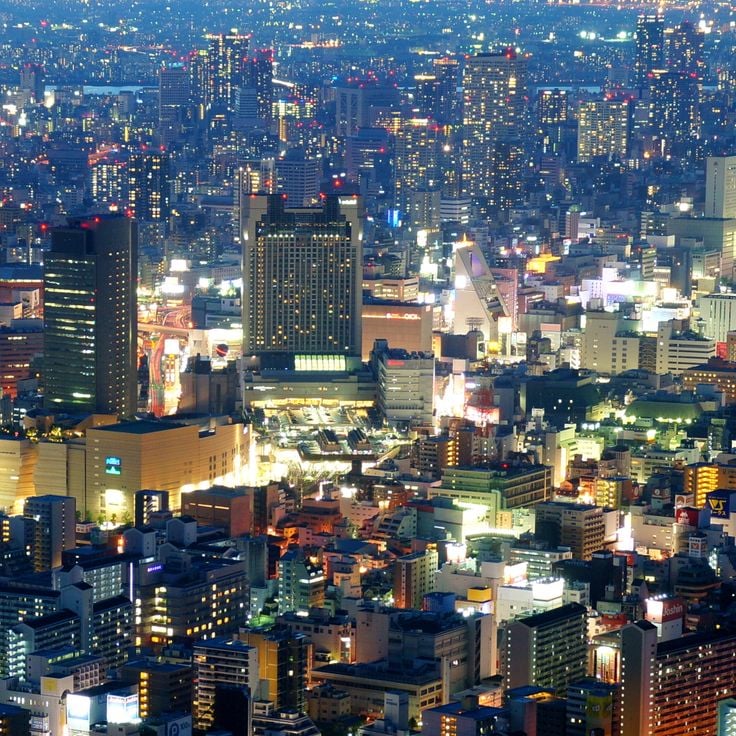
Osaka is Japan of contrasts. A city where 6th-century temples stand beside futuristic skyscrapers, where fish markets meet giant Dotonbori signs, and where the nights turn streets into a continuous show. More lively and spontaneous than Tokyo, Osaka maintains its accent, humor, and warmth. People come here to eat, stroll, and listen to the hum of a metropolis that never truly sleeps. Between medieval castles, Shinto shrines, avant-garde museums, and multi-level hot spring baths, the city presents both ancient and ultra-modern faces. Exploring Namba, Shinsekai, or Umeda reveals a unique energy, vibrant urban culture, and an attention to detail that makes Japan unforgettable.
Things to do in Osaka: Between Japanese traditions, neon lights, and lively districts
Osaka is Japan of contrasts. A city where 6th-century temples stand beside futuristic skyscrapers, where fish markets meet giant Dotonbori signs, and where the nights turn streets into a continuous show. More lively and spontaneous than Tokyo, Osaka maintains its accent, humor, and warmth. People come here to eat, stroll, and listen to the hum of a metropolis that never truly sleeps. Between medieval castles, Shinto shrines, avant-garde museums, and multi-level hot spring baths, the city presents both ancient and ultra-modern faces. Exploring Namba, Shinsekai, or Umeda reveals a unique energy, vibrant urban culture, and an attention to detail that makes Japan unforgettable.
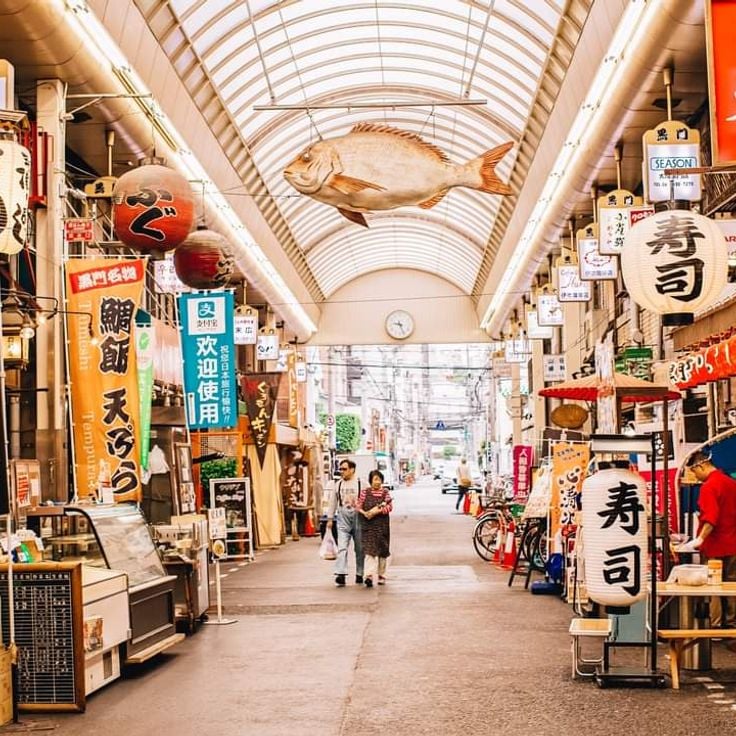
Kuromon Ichiba Market is a lively market where you can experience everyday Osaka. Between the market stalls you will find grilled fish, fresh fruit, and steaming takoyaki. Here everything is eaten standing up, in a noisy and cheerful environment that reflects the spontaneous and warm character of this city. This market connects food culture with urban life and demonstrates the energy that defines Osaka.
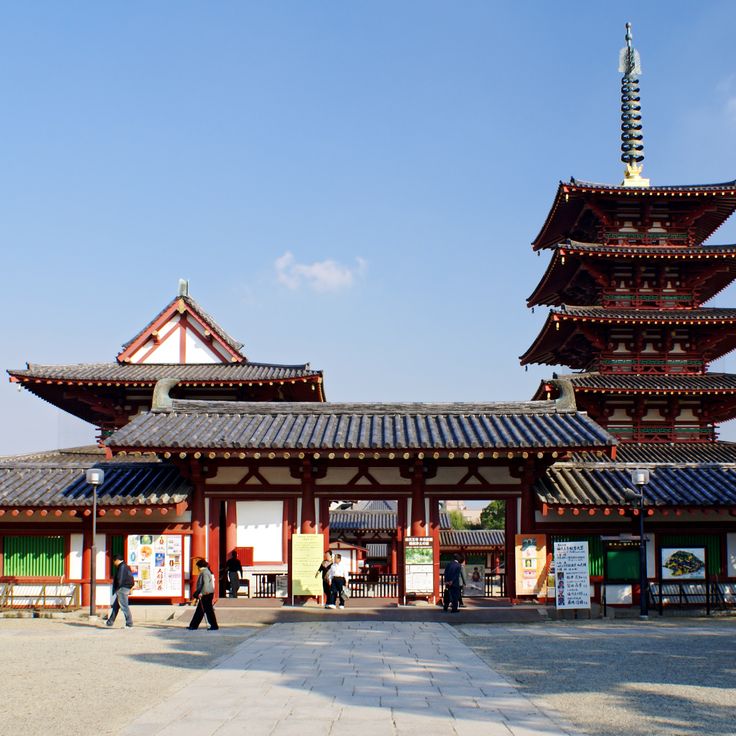
Shitennoji Temple was founded in 593 and stands as one of the oldest Buddhist temples in Japan, embodying ancient religious tradition amid the modern metropolis. Its tiered roofs and five-story pagoda offer a quiet contrast to the busy city. This temple serves as both a place of prayer and a testament to early Buddhist history, preserving Osaka's 6th-century roots and offering visitors insight into the spiritual past of the city.
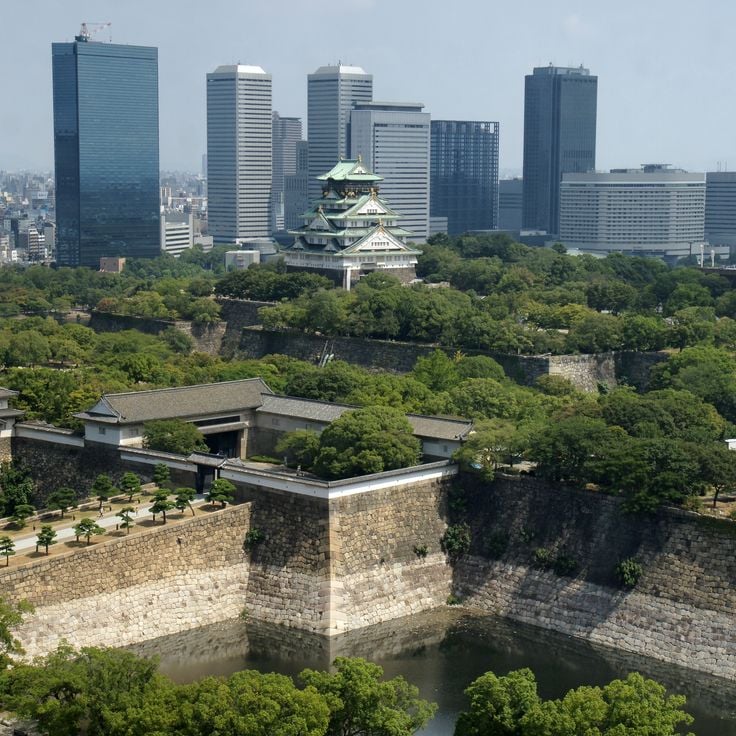
This eight-story structure from the 16th century embodies the history of Osaka and overlooks a moat and cherry trees. Toyotomi Hideyoshi commissioned the castle, which tells of feudal conflicts and the emergence of modern Japan. The observation deck provides expansive views over the city and connects the military past with the urban contrast between temples and skyscrapers that defines Osaka.
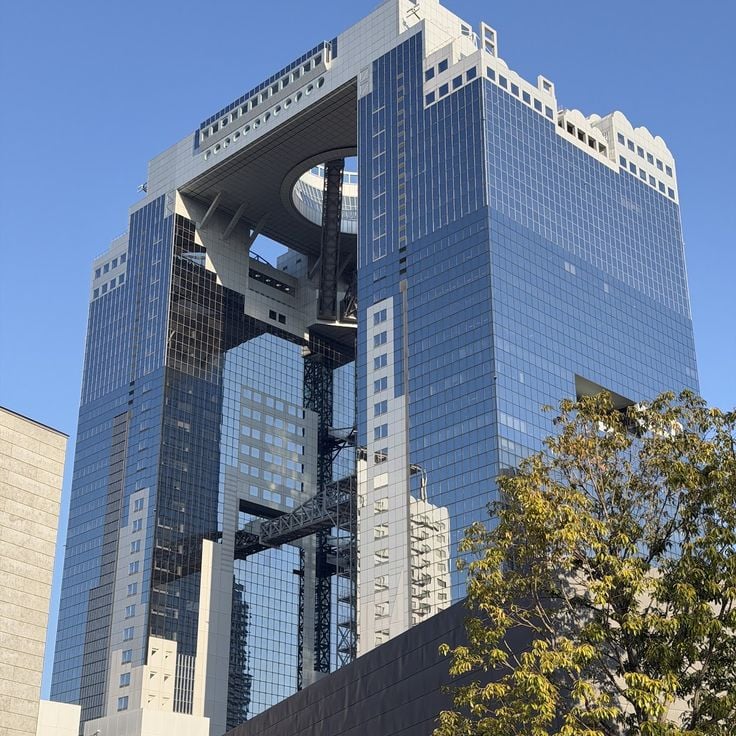
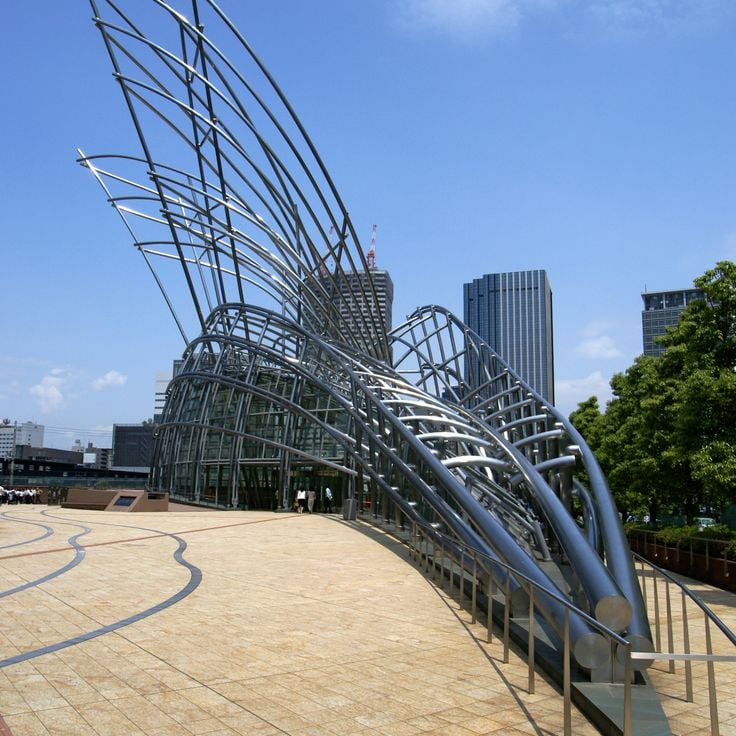
This building connects two towers through a bridge suspended at 570 feet (173 meters). The Floating Garden Observatory provides a 360-degree view of Osaka, particularly notable at sunset. The structure represents the modern architecture of the city, where tradition and future meet. From the observation deck, the urban landscape reveals high-rises, temples, and active districts like Namba and Umeda. A visit offers insight into urban development and the architectural vision that shapes Osaka.
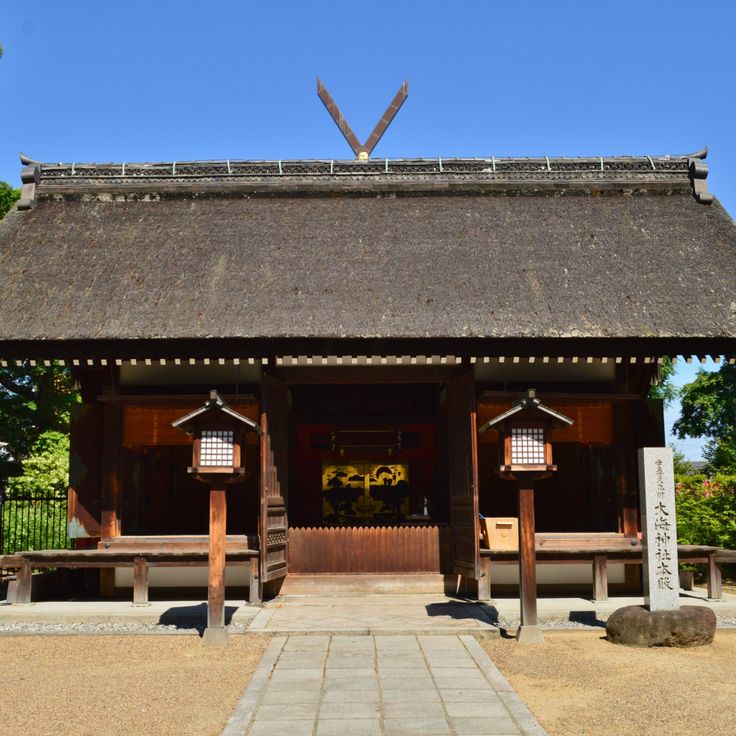
This Shinto shrine is among the oldest religious sites in Japan and represents the spiritual dimension that Osaka preserves alongside its modern districts. Sumiyoshi Taisha was founded in the 3rd century and displays a rare architectural style called Sumiyoshi-zukuri, with straight roofs and scarlet structures. The arched Sorihashi bridge spanning a pond symbolizes the connection between the earthly and divine realms. Visitors come here to experience the calm environment beneath ancient trees and find contrast to the pace of the city.
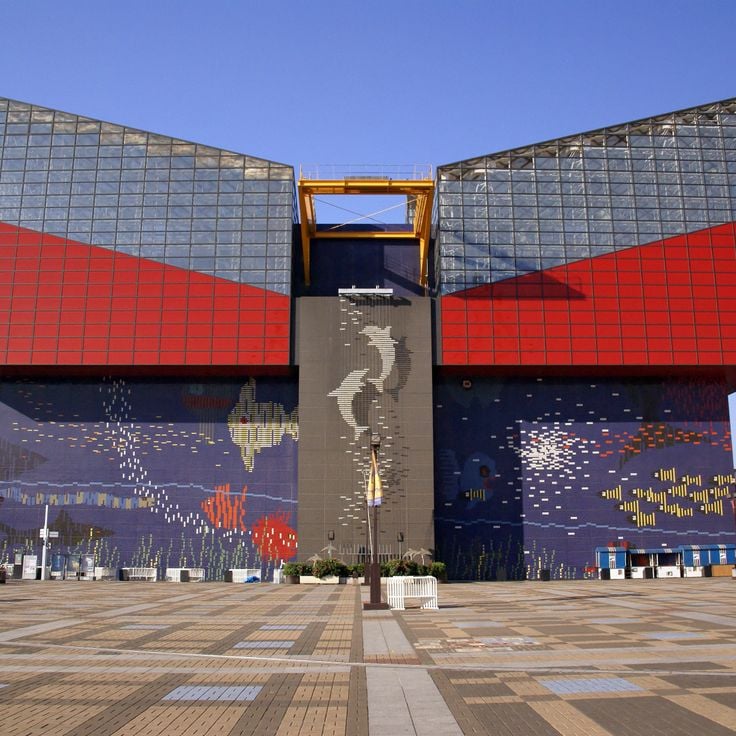
This aquarium ranks among the largest in the world, dedicated to Pacific Ocean ecosystems. Visitors walk through tunnels surrounded by manta rays, jellyfish, and whale sharks, which are among the main attractions of the facility. Spanning multiple floors, the aquarium displays marine habitats from different regions and provides insight into the diversity of the largest ocean on Earth. Kaiyukan Aquarium adds to the modern side of Osaka, combining education with direct exposure to underwater life.
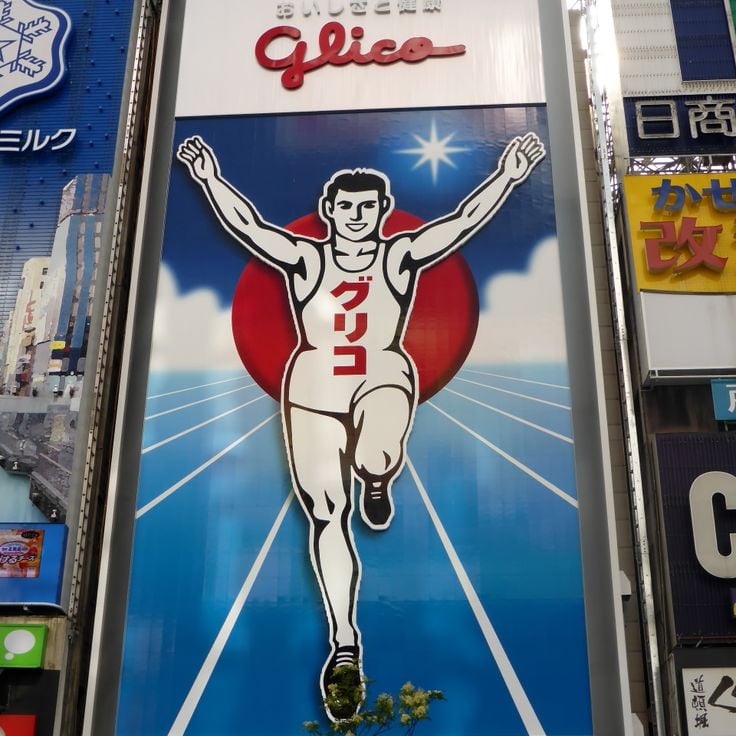
This 20-meter (66-foot) illuminated advertising sign has stood in the Dotonbori district since 1935, depicting an athlete in a victory pose. As a fixture of Osaka's nighttime skyline, the Glico Sign represents the city's long tradition of neon and billboard advertising that defines its streetscapes. It embodies the spontaneous spirit of this metropolis, where historical elements coexist with modern expressions and show visitors how Osaka maintains its identity between tradition and urban life.
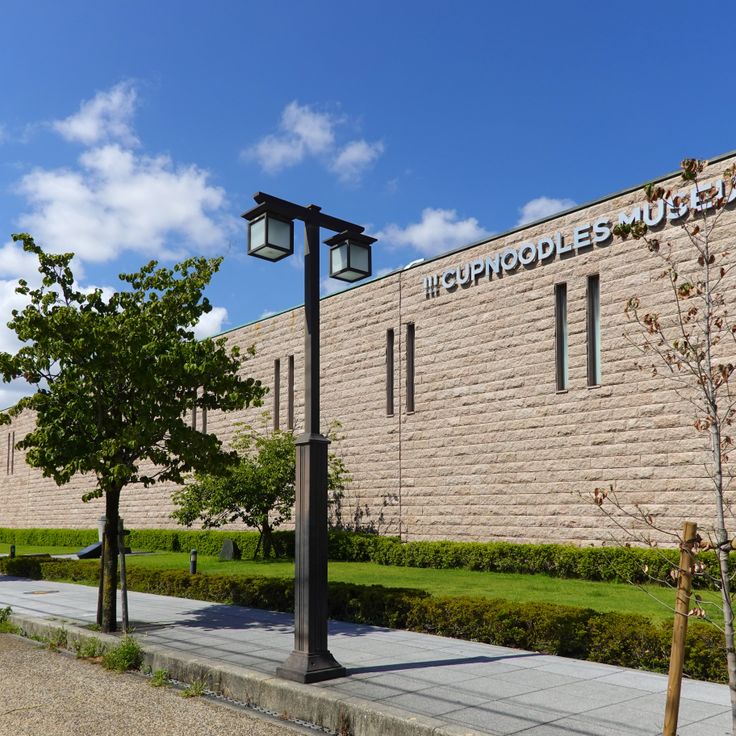
This museum chronicles the history of instant noodles, developed by the founder of Nissin Foods in Osaka. Visitors can assemble their own Cup Noodles in an interactive factory by selecting soup, ingredients, and packaging. The exhibition traces noodle production from 1958 onward and documents how a simple product spread Japanese food culture worldwide. The museum connects industrial innovation with hands-on experiences, making the culinary significance of Osaka tangible.
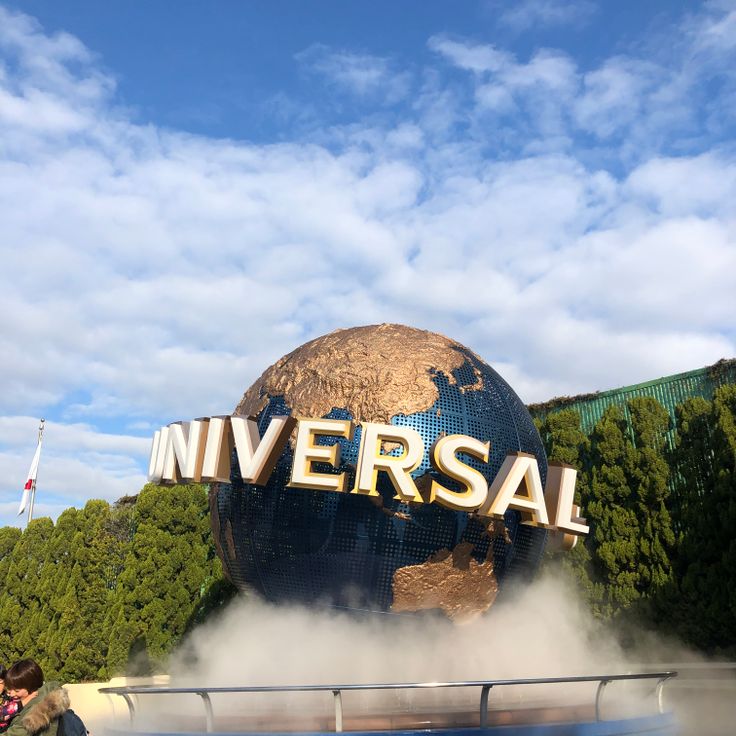
Universal Studios Japan is a large theme park located south of the city center, offering a different side of Osaka beyond its temples and castles. This park draws thousands of Japanese visitors daily and features roller coasters and themed areas dedicated to Mario, Harry Potter, and Jurassic Park. Families and adults alike find varied entertainment here, representing the modern face of Japan that complements the historic landmarks found throughout the metropolis.
This underground museum houses an extensive collection of paintings, sculptures, and installations by Japanese and international artists from the 20th and 21st centuries. The National Museum of Art provides insight into modern and contemporary art movements, complementing Osaka's cultural spectrum between historic temples and futuristic skyscrapers. The building's architecture is notable, with much of the exhibition space located below ground level. The museum presents rotating special exhibitions alongside its permanent collection, documenting artistic development from the early 1900s to the present day. For visitors interested in modern art movements, this museum offers a counterpoint to the traditional shrines and historic sites found throughout the city.
This district serves as Osaka's answer to Tokyo's Akihabara, focusing on electronics, manga, anime, and Japanese pop culture. The streets are lined with multi-story shops selling action figures, video games, comics, electronic components, and cosplay costumes. Den Den Town attracts collectors, technology enthusiasts, and fans of Japanese media who search for rare items, retro consoles, or the latest releases. The area reflects Osaka's role as a center of lively urban culture where tradition and modern entertainment coexist, offering insight into contemporary Japanese youth and hobby culture.
This zoological facility in the Tennoji district opened in 1915 and ranks among the oldest in Japan. The site presents mammals, birds, and reptiles in enclosures organized by geographic regions, from Africa through Asia to polar areas. Visitors can observe elephants, lions, polar bears, and various primate species. The zoo is located in the southern part of Osaka and combines historical importance with contemporary animal presentation. For families traveling through a city that balances tradition and modernity, this place offers an opportunity to learn about wildlife diversity.
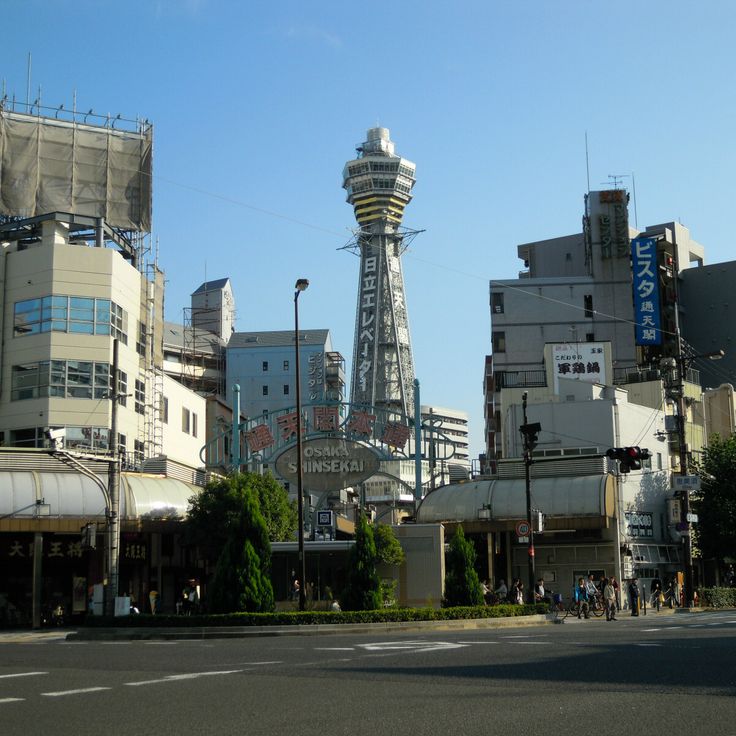
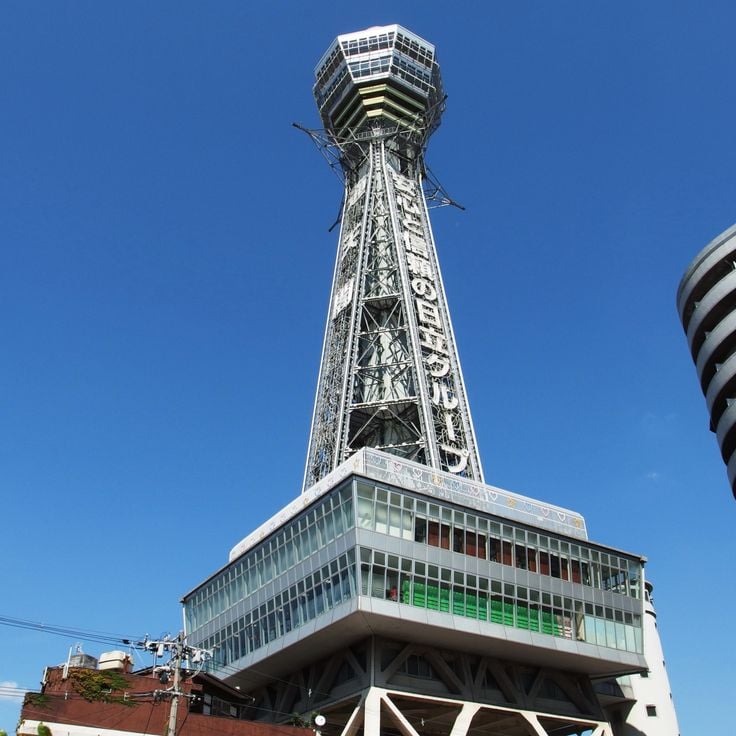
Shinsekai is a neighborhood dating from the 1910s, inspired by Paris and New York, and featuring a distinctive 103-foot (31-meter) tower. The district preserves the character of the early 20th century with its narrow alleys, red lanterns, and numerous restaurants specializing in kushi-katsu – breaded and fried skewers that form part of Osaka's culinary traditions. This historic area reveals another side of the city between Japanese temples and modern skyscrapers, adding to the portrait of a metropolis where past and present coexist.
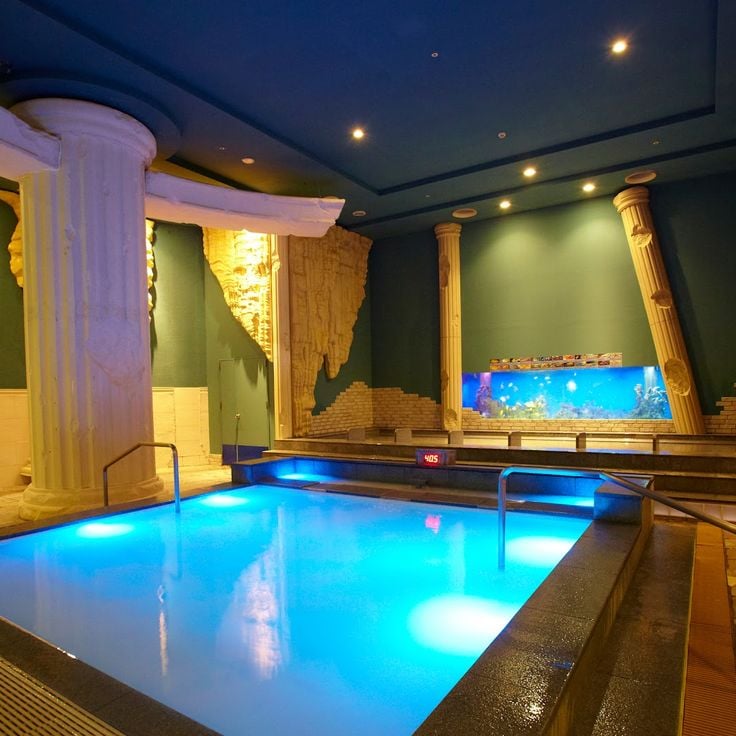
This bathing facility spans eight floors and presents hot springs inspired by Japanese, Greek, and Turkish traditions. Spa World combines the onsen experience with international bathing cultures in one location that reflects Osaka's tendency to blend diverse influences into a unified whole. The complex offers different themed areas, each with its own architectural and design elements. Visitors find both traditional Japanese baths and interpretations of European and Asian bathing traditions under one roof, matching the concept of a city where old and new exist side by side.
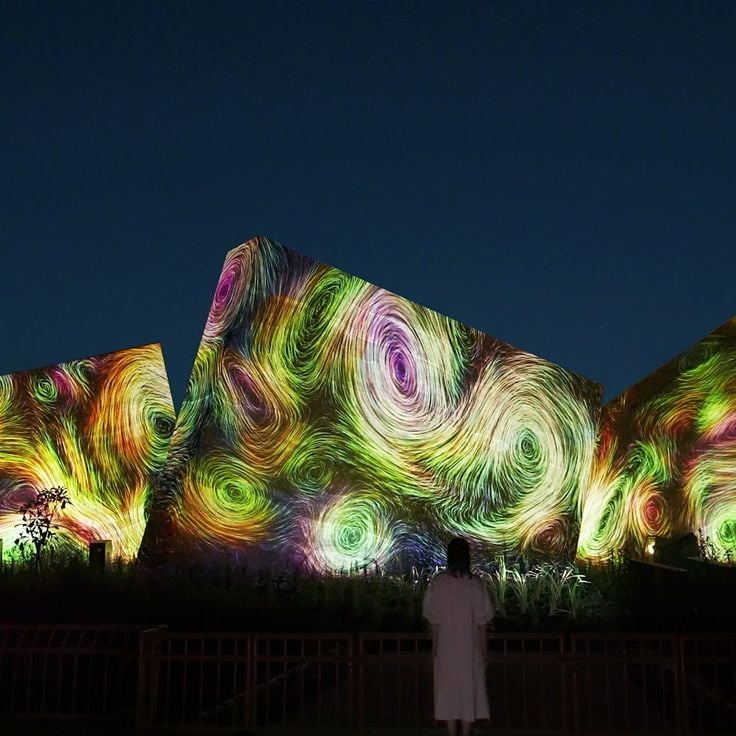
This botanical garden merges digital art with the natural environment of Osaka. Interactive light installations transform trees, plants, and flowers into moving artworks that respond to daylight, wind, and visitor presence. The projections adapt continuously to the surroundings, creating an experience that unites traditional Japanese nature observation with contemporary technology. The garden demonstrates how Osaka presents ancient and modern forms of expression side by side.
This district forms the lively center of Osaka's entertainment culture. Namba extends across multiple levels with shopping arcades, bars, karaoke venues, and game rooms. Here the spontaneous side of the city shows itself, where locals and visitors walk through covered passages, eat at small restaurants, and experience the constant activity of the metropolis. The district combines commercial energy with the relaxed character typical of Osaka and demonstrates how Japanese entertainment functions.
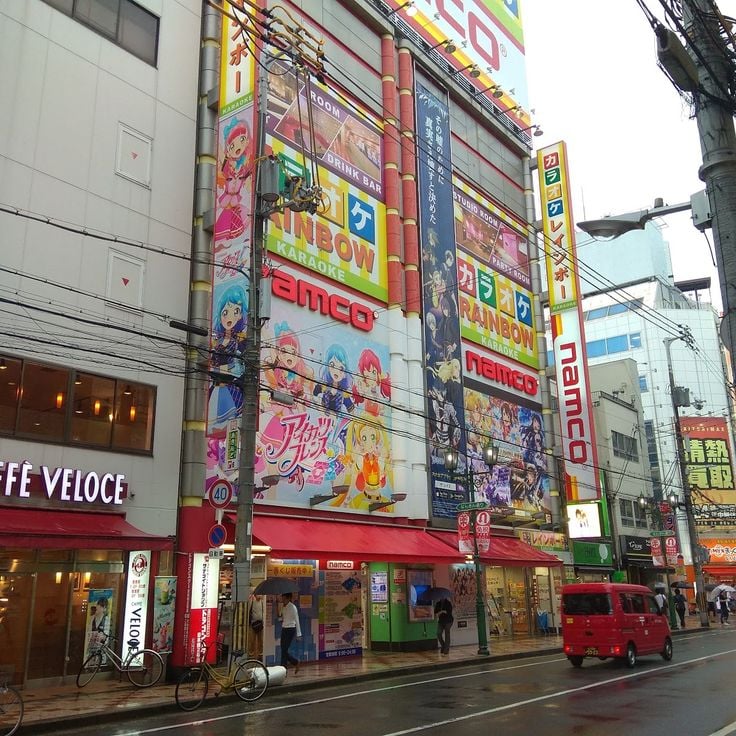
Nipponbashi is the district of Osaka that specializes in electronics, video games, and Japanese pop culture, where numerous shops offer manga, anime, figurines, and technical products. This commercial zone attracts fans of gaming and otaku culture, providing several floors filled with arcade games, collectibles, and second-hand items. The district is located south of the center and complements the urban side of Osaka, which alternates between traditional temples and contemporary entertainment spaces. This place showcases modern Japan, its technological trends, and its passion for visual and narrative worlds.
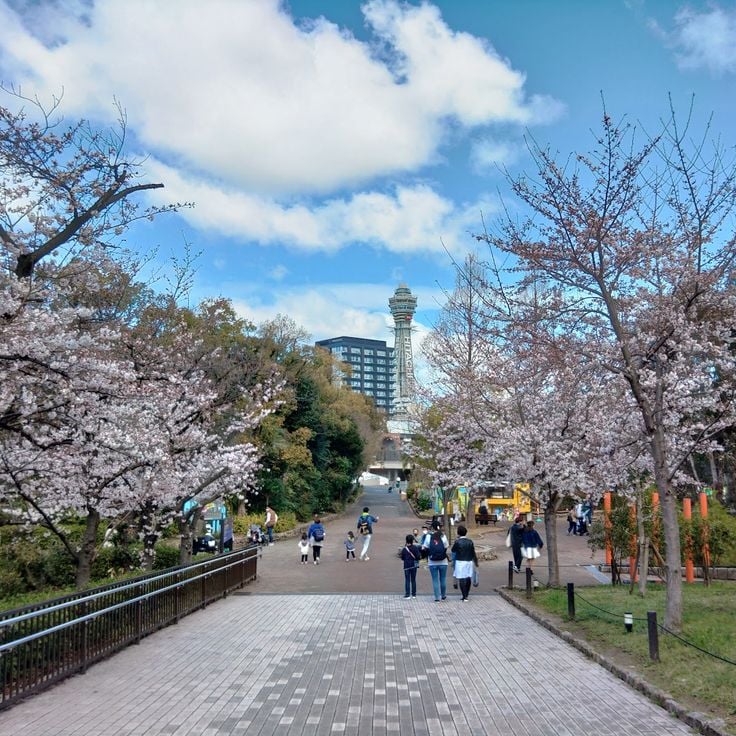
Tsutenkaku Tower rises 338 feet (103 meters) above the Shinsekai district, connecting Osaka's history with its modern face as an architectural symbol. Originally built in 1912 and reconstructed after World War II in 1956, this observation tower serves as a landmark in a neighborhood that preserves the city's popular spirit. From the observation platform, the metropolis extends between historic temples and high-rises. In a city that unites tradition and innovation, this tower represents the spontaneous energy and local character that distinguish Osaka from other Japanese cities.
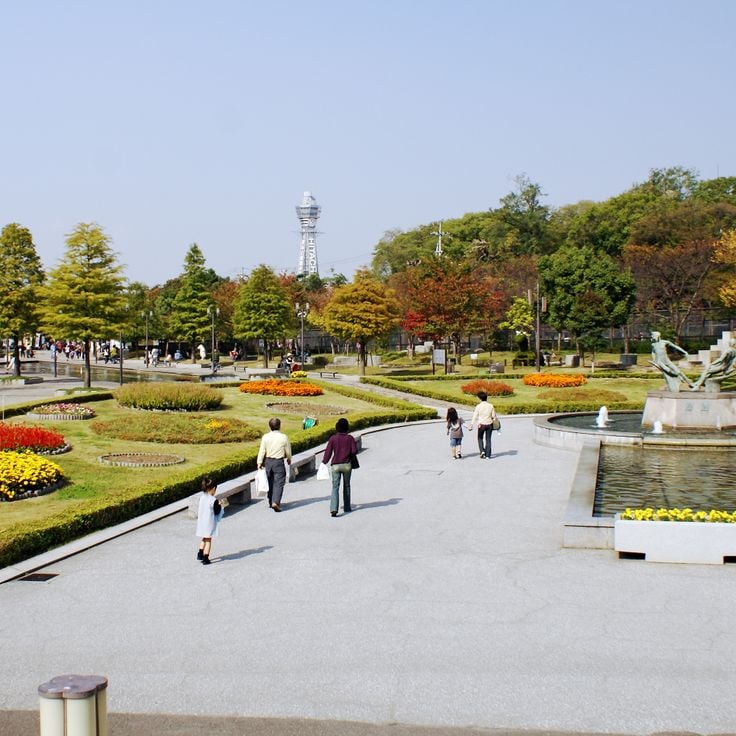
This public park of 25 acres was established in 1909 in the Tennoji district and provides a quiet area within the urban setting. The grounds combine a traditional Japanese garden with an art museum and a zoo. The park demonstrates how Osaka integrates green spaces and cultural facilities into an urban environment, adding to the contrast between historic temples and modern high-rises that defines the city.
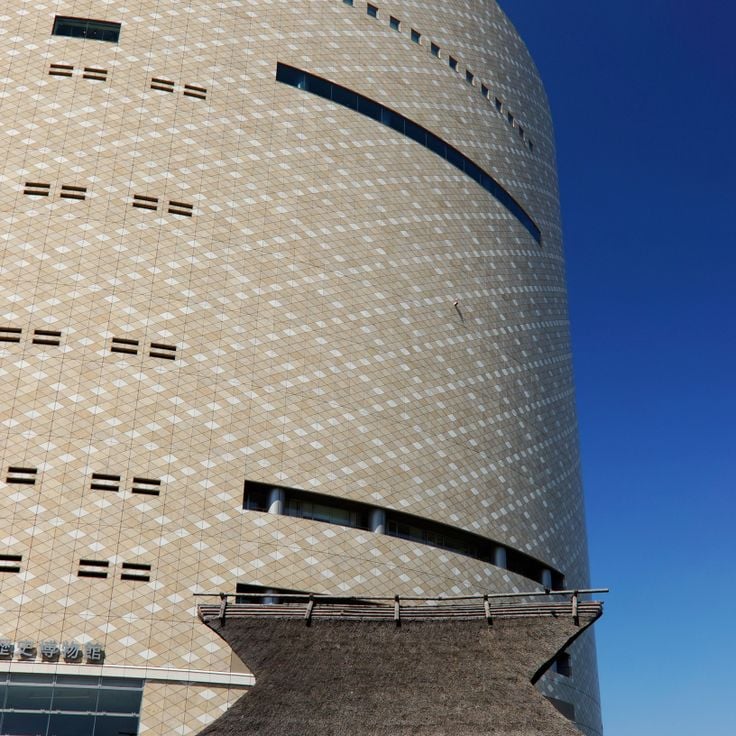
This modern museum facing the castle presents Osaka's development from the 5th century through models, historical objects, and panoramic views. The exhibits document how the city evolved into a major commercial and maritime center. Within this metropolis of contrasts, the Osaka Museum of History provides context for understanding the layers between medieval foundations and contemporary urban identity.
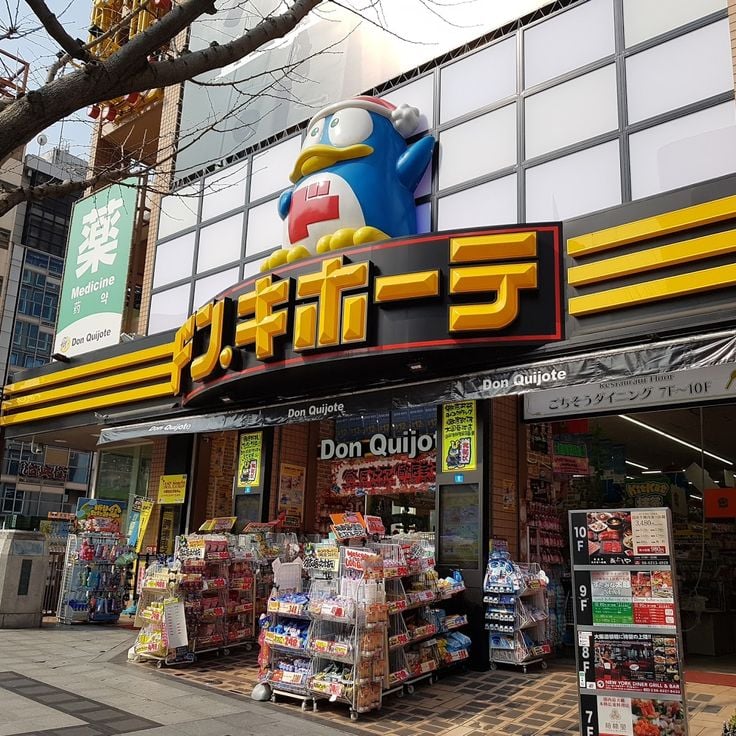
This multi-story shopping center stands in the heart of the city, among the illuminated signs and continuous movement that define Osaka after dark. The complex offers several floors of items spanning different categories, from electronics to cosmetics, food products, and souvenirs, and is easily identified by the large illuminated oval wheel mounted on its facade. In a metropolis where tradition and contemporary urban life intersect, this establishment embodies the lively shopping culture visitors encounter in the Namba and Shinsaibashi districts, as they walk through busy streets where stores remain open late into the night.
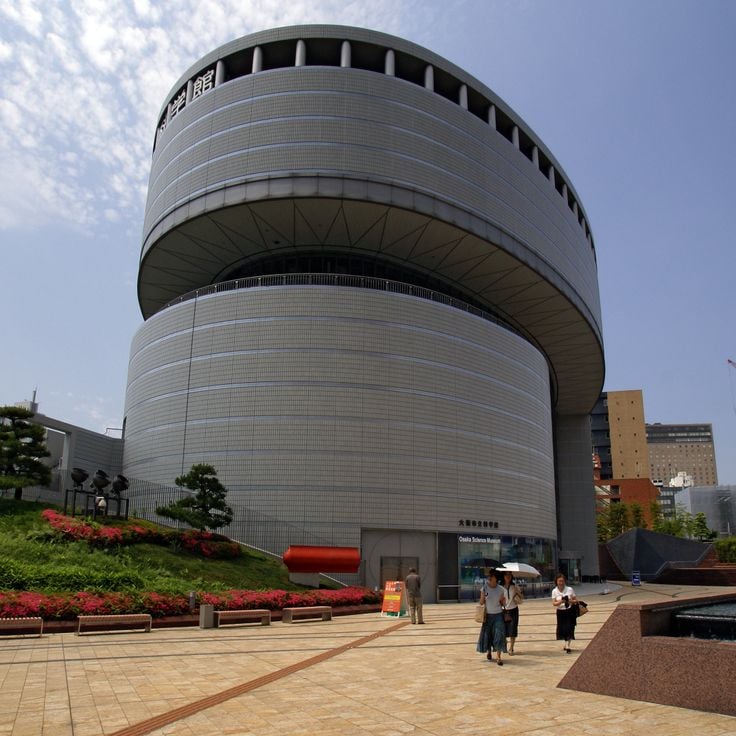
This museum of natural sciences presents interactive exhibits on physics, chemistry, biology, and astronomy. The Science Museum demonstrates technological innovations and scientific principles through hands-on displays. A planetarium projects the night sky, while an Omnimax theater screens films on a domed surface. The facility complements Osaka's modern side, appealing to visitors interested in exploring science and technology. Exhibits explain complex concepts through accessible presentations, making scientific topics understandable for all ages.
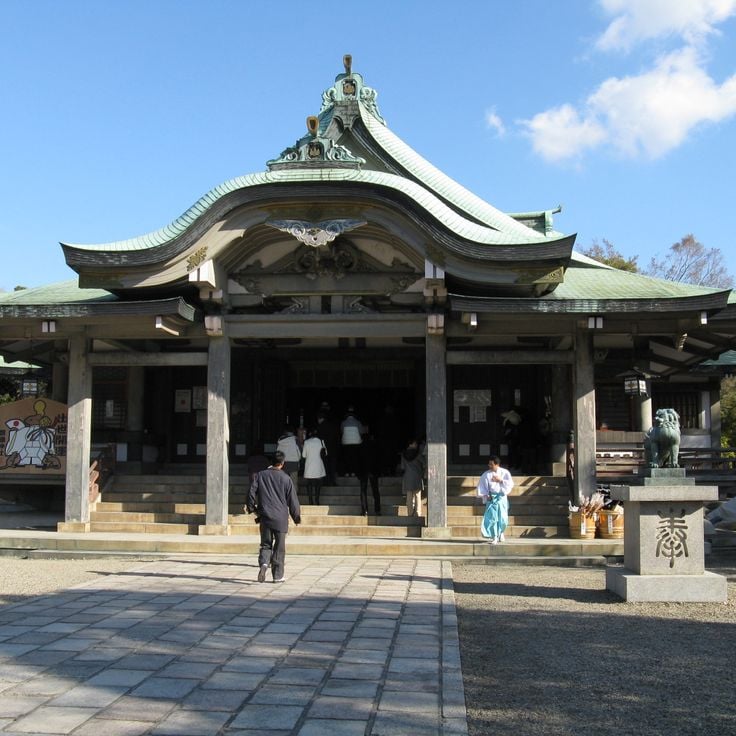
This Shinto shrine was built in 1879 to honor Toyotomi Hideyoshi, the powerful 16th-century unifier who made Osaka his base and constructed the castle that bears the city's name. The Hokoku Shrine sits within the grounds of Osaka Castle park, offering a quiet counterpoint to the busy metropolis beyond. Visitors pass through a traditional torii gate, walk past stone lanterns, and reach the main hall where they can pay respects to Hideyoshi's spirit. The shrine connects Japanese history with spiritual practice, showing how Osaka preserves its historical roots amid modern urban development.
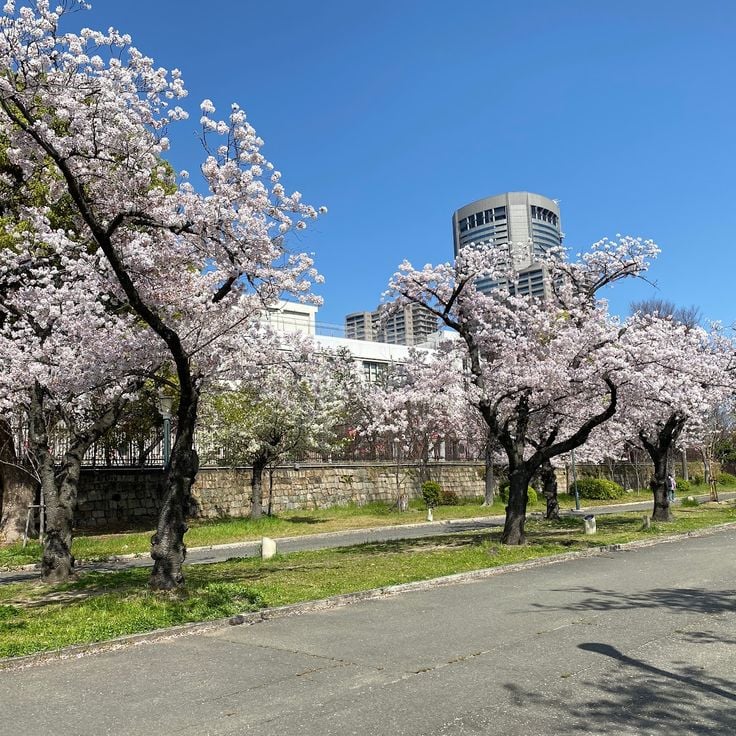
This park along the Okawa River is home to over 4,000 cherry trees that bloom in spring and line a walking path stretching several miles. Locals gather here for hanami, the traditional cherry blossom viewing, sitting on blankets by the riverbank and sharing bento boxes. The park extends between Sakuranomiya and Temma stations, offering pedestrian paths that run parallel to the water. Outside cherry blossom season, this location serves as a quiet green space for jogging, cycling, or simply sitting by the river. Its proximity to the city makes this park an accessible retreat from the busy streets of Osaka.
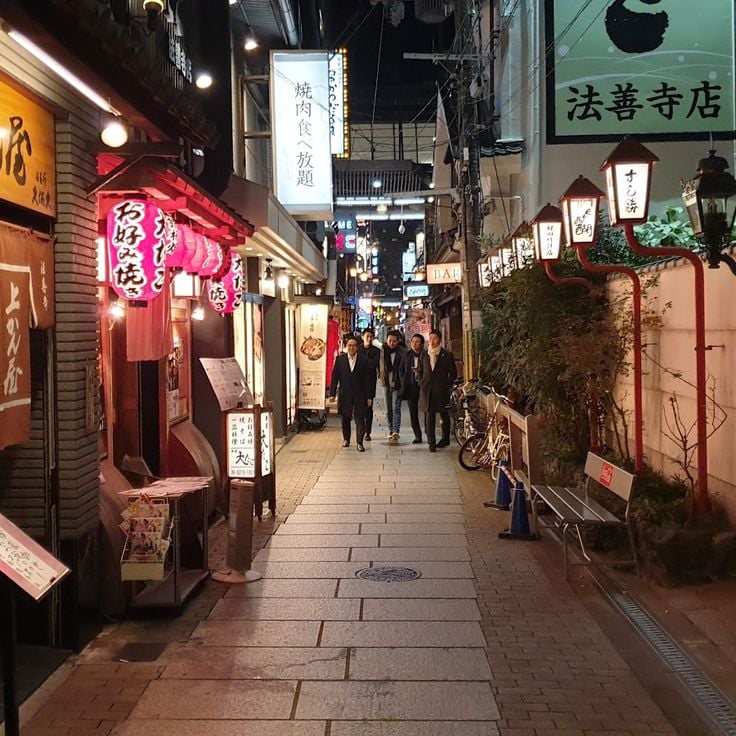
This narrow alley runs behind the neon signs of Dotonbori and preserves the historic face of Osaka. Stone pavement, paper lanterns, and small restaurants line the path to a moss-covered temple where locals stop to pour water over the statue. The atmosphere remains quiet despite the proximity to busy main streets. Wooden facades, low doorways, and the scent of miso soup recall early 20th-century Osaka, when these lanes shaped the daily life of the city.
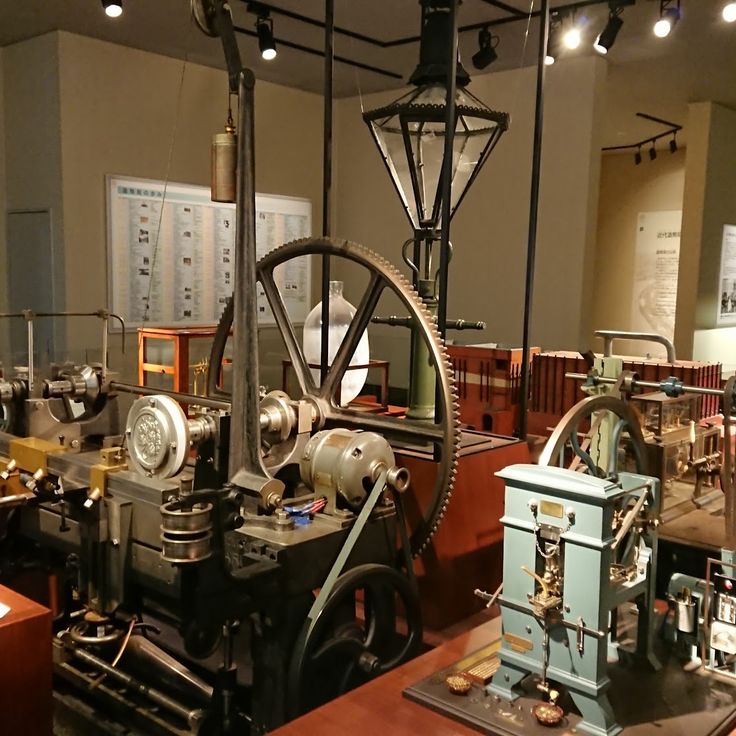
This museum presents the history of the Japanese monetary system from the 7th century to the present through a collection of ancient coins, medals, and historical documents. The exhibition documents Japan's currency development and adds to Osaka's historical dimensions between 6th-century temples and modern skyscrapers. The presentation connects economic and cultural aspects of Japanese history, offering insight into the technical evolution of coin minting over more than a millennium.
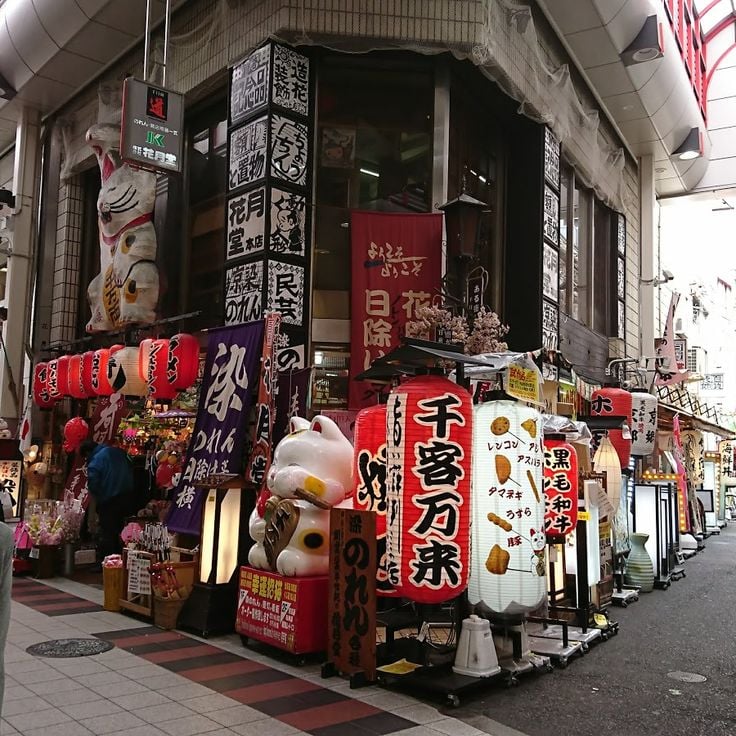
Sennichimae Doguyasuji is the street where chefs, restaurant owners, and cooking enthusiasts stock up on everything Japanese cuisine requires. This covered shopping arcade in Namba gathers dozens of specialized shops over several hundred yards, selling professional knives, ceramics, lacquerware, cooking utensils, and the famous plastic food replicas displayed in Japanese restaurant windows. The street featured in this collection documents a craft tradition focused on the practical needs of gastronomy. Walking through Sennichimae Doguyasuji reveals the tools of a cuisine that prioritizes precision and ingredient quality.
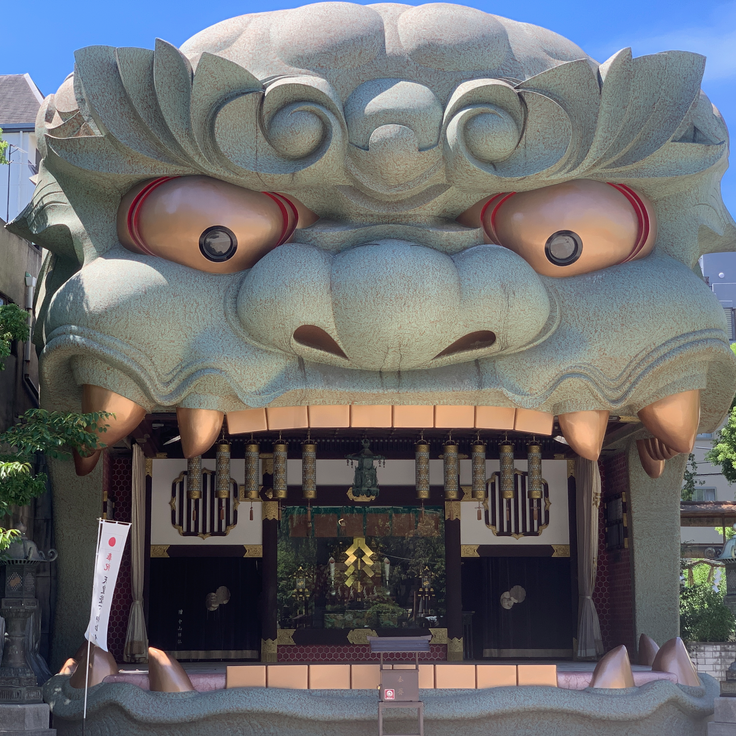
This Shinto shrine presents an unusual facade in the form of a monumental lion head with an open mouth, symbolizing victory over evil. The structure was rebuilt after World War II and serves as a place for prayers regarding success in business and studies. Despite its location in Namba, the shrine remains unnoticed by many visitors and offers a quieter alternative to the crowded temples of the city.
This covered shopping street extends 2.6 kilometers (1.6 miles) through the heart of the city, linking six blocks with more than 600 shops, restaurants, and small stalls. Tenjinbashi-suji forms a commercial artery that reflects Osaka's inclination toward trade and direct contact between merchants and buyers. Between traditional confectionery shops, takoyaki stands, textile stores, and household goods, this arcade mirrors the everyday culture that distinguishes Osaka from other Japanese metropolises. The arcade also leads to Tenmangu Shrine, connecting commerce with spirituality.
Kuromon Ichiba Market is a lively market where you can experience everyday Osaka. Between the market stalls you will find grilled fish, fresh fruit, and steaming takoyaki. Here everything is eaten standing up, in a noisy and cheerful environment that reflects the spontaneous and warm character of this city. This market connects food culture with urban life and demonstrates the energy that defines Osaka.
Shitennoji Temple was founded in 593 and stands as one of the oldest Buddhist temples in Japan, embodying ancient religious tradition amid the modern metropolis. Its tiered roofs and five-story pagoda offer a quiet contrast to the busy city. This temple serves as both a place of prayer and a testament to early Buddhist history, preserving Osaka's 6th-century roots and offering visitors insight into the spiritual past of the city.
This eight-story structure from the 16th century embodies the history of Osaka and overlooks a moat and cherry trees. Toyotomi Hideyoshi commissioned the castle, which tells of feudal conflicts and the emergence of modern Japan. The observation deck provides expansive views over the city and connects the military past with the urban contrast between temples and skyscrapers that defines Osaka.
This building connects two towers through a bridge suspended at 570 feet (173 meters). The Floating Garden Observatory provides a 360-degree view of Osaka, particularly notable at sunset. The structure represents the modern architecture of the city, where tradition and future meet. From the observation deck, the urban landscape reveals high-rises, temples, and active districts like Namba and Umeda. A visit offers insight into urban development and the architectural vision that shapes Osaka.
This Shinto shrine is among the oldest religious sites in Japan and represents the spiritual dimension that Osaka preserves alongside its modern districts. Sumiyoshi Taisha was founded in the 3rd century and displays a rare architectural style called Sumiyoshi-zukuri, with straight roofs and scarlet structures. The arched Sorihashi bridge spanning a pond symbolizes the connection between the earthly and divine realms. Visitors come here to experience the calm environment beneath ancient trees and find contrast to the pace of the city.
This aquarium ranks among the largest in the world, dedicated to Pacific Ocean ecosystems. Visitors walk through tunnels surrounded by manta rays, jellyfish, and whale sharks, which are among the main attractions of the facility. Spanning multiple floors, the aquarium displays marine habitats from different regions and provides insight into the diversity of the largest ocean on Earth. Kaiyukan Aquarium adds to the modern side of Osaka, combining education with direct exposure to underwater life.
This 20-meter (66-foot) illuminated advertising sign has stood in the Dotonbori district since 1935, depicting an athlete in a victory pose. As a fixture of Osaka's nighttime skyline, the Glico Sign represents the city's long tradition of neon and billboard advertising that defines its streetscapes. It embodies the spontaneous spirit of this metropolis, where historical elements coexist with modern expressions and show visitors how Osaka maintains its identity between tradition and urban life.
This museum chronicles the history of instant noodles, developed by the founder of Nissin Foods in Osaka. Visitors can assemble their own Cup Noodles in an interactive factory by selecting soup, ingredients, and packaging. The exhibition traces noodle production from 1958 onward and documents how a simple product spread Japanese food culture worldwide. The museum connects industrial innovation with hands-on experiences, making the culinary significance of Osaka tangible.
Universal Studios Japan is a large theme park located south of the city center, offering a different side of Osaka beyond its temples and castles. This park draws thousands of Japanese visitors daily and features roller coasters and themed areas dedicated to Mario, Harry Potter, and Jurassic Park. Families and adults alike find varied entertainment here, representing the modern face of Japan that complements the historic landmarks found throughout the metropolis.
This underground museum houses an extensive collection of paintings, sculptures, and installations by Japanese and international artists from the 20th and 21st centuries. The National Museum of Art provides insight into modern and contemporary art movements, complementing Osaka's cultural spectrum between historic temples and futuristic skyscrapers. The building's architecture is notable, with much of the exhibition space located below ground level. The museum presents rotating special exhibitions alongside its permanent collection, documenting artistic development from the early 1900s to the present day. For visitors interested in modern art movements, this museum offers a counterpoint to the traditional shrines and historic sites found throughout the city.
This district serves as Osaka's answer to Tokyo's Akihabara, focusing on electronics, manga, anime, and Japanese pop culture. The streets are lined with multi-story shops selling action figures, video games, comics, electronic components, and cosplay costumes. Den Den Town attracts collectors, technology enthusiasts, and fans of Japanese media who search for rare items, retro consoles, or the latest releases. The area reflects Osaka's role as a center of lively urban culture where tradition and modern entertainment coexist, offering insight into contemporary Japanese youth and hobby culture.
This zoological facility in the Tennoji district opened in 1915 and ranks among the oldest in Japan. The site presents mammals, birds, and reptiles in enclosures organized by geographic regions, from Africa through Asia to polar areas. Visitors can observe elephants, lions, polar bears, and various primate species. The zoo is located in the southern part of Osaka and combines historical importance with contemporary animal presentation. For families traveling through a city that balances tradition and modernity, this place offers an opportunity to learn about wildlife diversity.
Shinsekai is a neighborhood dating from the 1910s, inspired by Paris and New York, and featuring a distinctive 103-foot (31-meter) tower. The district preserves the character of the early 20th century with its narrow alleys, red lanterns, and numerous restaurants specializing in kushi-katsu – breaded and fried skewers that form part of Osaka's culinary traditions. This historic area reveals another side of the city between Japanese temples and modern skyscrapers, adding to the portrait of a metropolis where past and present coexist.
This bathing facility spans eight floors and presents hot springs inspired by Japanese, Greek, and Turkish traditions. Spa World combines the onsen experience with international bathing cultures in one location that reflects Osaka's tendency to blend diverse influences into a unified whole. The complex offers different themed areas, each with its own architectural and design elements. Visitors find both traditional Japanese baths and interpretations of European and Asian bathing traditions under one roof, matching the concept of a city where old and new exist side by side.
This botanical garden merges digital art with the natural environment of Osaka. Interactive light installations transform trees, plants, and flowers into moving artworks that respond to daylight, wind, and visitor presence. The projections adapt continuously to the surroundings, creating an experience that unites traditional Japanese nature observation with contemporary technology. The garden demonstrates how Osaka presents ancient and modern forms of expression side by side.
This district forms the lively center of Osaka's entertainment culture. Namba extends across multiple levels with shopping arcades, bars, karaoke venues, and game rooms. Here the spontaneous side of the city shows itself, where locals and visitors walk through covered passages, eat at small restaurants, and experience the constant activity of the metropolis. The district combines commercial energy with the relaxed character typical of Osaka and demonstrates how Japanese entertainment functions.
Nipponbashi is the district of Osaka that specializes in electronics, video games, and Japanese pop culture, where numerous shops offer manga, anime, figurines, and technical products. This commercial zone attracts fans of gaming and otaku culture, providing several floors filled with arcade games, collectibles, and second-hand items. The district is located south of the center and complements the urban side of Osaka, which alternates between traditional temples and contemporary entertainment spaces. This place showcases modern Japan, its technological trends, and its passion for visual and narrative worlds.
Tsutenkaku Tower rises 338 feet (103 meters) above the Shinsekai district, connecting Osaka's history with its modern face as an architectural symbol. Originally built in 1912 and reconstructed after World War II in 1956, this observation tower serves as a landmark in a neighborhood that preserves the city's popular spirit. From the observation platform, the metropolis extends between historic temples and high-rises. In a city that unites tradition and innovation, this tower represents the spontaneous energy and local character that distinguish Osaka from other Japanese cities.
This public park of 25 acres was established in 1909 in the Tennoji district and provides a quiet area within the urban setting. The grounds combine a traditional Japanese garden with an art museum and a zoo. The park demonstrates how Osaka integrates green spaces and cultural facilities into an urban environment, adding to the contrast between historic temples and modern high-rises that defines the city.
This modern museum facing the castle presents Osaka's development from the 5th century through models, historical objects, and panoramic views. The exhibits document how the city evolved into a major commercial and maritime center. Within this metropolis of contrasts, the Osaka Museum of History provides context for understanding the layers between medieval foundations and contemporary urban identity.
This multi-story shopping center stands in the heart of the city, among the illuminated signs and continuous movement that define Osaka after dark. The complex offers several floors of items spanning different categories, from electronics to cosmetics, food products, and souvenirs, and is easily identified by the large illuminated oval wheel mounted on its facade. In a metropolis where tradition and contemporary urban life intersect, this establishment embodies the lively shopping culture visitors encounter in the Namba and Shinsaibashi districts, as they walk through busy streets where stores remain open late into the night.
This museum of natural sciences presents interactive exhibits on physics, chemistry, biology, and astronomy. The Science Museum demonstrates technological innovations and scientific principles through hands-on displays. A planetarium projects the night sky, while an Omnimax theater screens films on a domed surface. The facility complements Osaka's modern side, appealing to visitors interested in exploring science and technology. Exhibits explain complex concepts through accessible presentations, making scientific topics understandable for all ages.
This Shinto shrine was built in 1879 to honor Toyotomi Hideyoshi, the powerful 16th-century unifier who made Osaka his base and constructed the castle that bears the city's name. The Hokoku Shrine sits within the grounds of Osaka Castle park, offering a quiet counterpoint to the busy metropolis beyond. Visitors pass through a traditional torii gate, walk past stone lanterns, and reach the main hall where they can pay respects to Hideyoshi's spirit. The shrine connects Japanese history with spiritual practice, showing how Osaka preserves its historical roots amid modern urban development.
This park along the Okawa River is home to over 4,000 cherry trees that bloom in spring and line a walking path stretching several miles. Locals gather here for hanami, the traditional cherry blossom viewing, sitting on blankets by the riverbank and sharing bento boxes. The park extends between Sakuranomiya and Temma stations, offering pedestrian paths that run parallel to the water. Outside cherry blossom season, this location serves as a quiet green space for jogging, cycling, or simply sitting by the river. Its proximity to the city makes this park an accessible retreat from the busy streets of Osaka.
This narrow alley runs behind the neon signs of Dotonbori and preserves the historic face of Osaka. Stone pavement, paper lanterns, and small restaurants line the path to a moss-covered temple where locals stop to pour water over the statue. The atmosphere remains quiet despite the proximity to busy main streets. Wooden facades, low doorways, and the scent of miso soup recall early 20th-century Osaka, when these lanes shaped the daily life of the city.
This museum presents the history of the Japanese monetary system from the 7th century to the present through a collection of ancient coins, medals, and historical documents. The exhibition documents Japan's currency development and adds to Osaka's historical dimensions between 6th-century temples and modern skyscrapers. The presentation connects economic and cultural aspects of Japanese history, offering insight into the technical evolution of coin minting over more than a millennium.
Sennichimae Doguyasuji is the street where chefs, restaurant owners, and cooking enthusiasts stock up on everything Japanese cuisine requires. This covered shopping arcade in Namba gathers dozens of specialized shops over several hundred yards, selling professional knives, ceramics, lacquerware, cooking utensils, and the famous plastic food replicas displayed in Japanese restaurant windows. The street featured in this collection documents a craft tradition focused on the practical needs of gastronomy. Walking through Sennichimae Doguyasuji reveals the tools of a cuisine that prioritizes precision and ingredient quality.
This Shinto shrine presents an unusual facade in the form of a monumental lion head with an open mouth, symbolizing victory over evil. The structure was rebuilt after World War II and serves as a place for prayers regarding success in business and studies. Despite its location in Namba, the shrine remains unnoticed by many visitors and offers a quieter alternative to the crowded temples of the city.
This covered shopping street extends 2.6 kilometers (1.6 miles) through the heart of the city, linking six blocks with more than 600 shops, restaurants, and small stalls. Tenjinbashi-suji forms a commercial artery that reflects Osaka's inclination toward trade and direct contact between merchants and buyers. Between traditional confectionery shops, takoyaki stands, textile stores, and household goods, this arcade mirrors the everyday culture that distinguishes Osaka from other Japanese metropolises. The arcade also leads to Tenmangu Shrine, connecting commerce with spirituality.
Kuromon Ichiba Market is a lively market where you can experience everyday Osaka. Between the market stalls you will find grilled fish, fresh fruit, and steaming takoyaki. Here everything is eaten standing up, in a noisy and cheerful environment that reflects the spontaneous and warm character of this city. This market connects food culture with urban life and demonstrates the energy that defines Osaka.
Shitennoji Temple was founded in 593 and stands as one of the oldest Buddhist temples in Japan, embodying ancient religious tradition amid the modern metropolis. Its tiered roofs and five-story pagoda offer a quiet contrast to the busy city. This temple serves as both a place of prayer and a testament to early Buddhist history, preserving Osaka's 6th-century roots and offering visitors insight into the spiritual past of the city.
This eight-story structure from the 16th century embodies the history of Osaka and overlooks a moat and cherry trees. Toyotomi Hideyoshi commissioned the castle, which tells of feudal conflicts and the emergence of modern Japan. The observation deck provides expansive views over the city and connects the military past with the urban contrast between temples and skyscrapers that defines Osaka.
This building connects two towers through a bridge suspended at 570 feet (173 meters). The Floating Garden Observatory provides a 360-degree view of Osaka, particularly notable at sunset. The structure represents the modern architecture of the city, where tradition and future meet. From the observation deck, the urban landscape reveals high-rises, temples, and active districts like Namba and Umeda. A visit offers insight into urban development and the architectural vision that shapes Osaka.
This Shinto shrine is among the oldest religious sites in Japan and represents the spiritual dimension that Osaka preserves alongside its modern districts. Sumiyoshi Taisha was founded in the 3rd century and displays a rare architectural style called Sumiyoshi-zukuri, with straight roofs and scarlet structures. The arched Sorihashi bridge spanning a pond symbolizes the connection between the earthly and divine realms. Visitors come here to experience the calm environment beneath ancient trees and find contrast to the pace of the city.
This aquarium ranks among the largest in the world, dedicated to Pacific Ocean ecosystems. Visitors walk through tunnels surrounded by manta rays, jellyfish, and whale sharks, which are among the main attractions of the facility. Spanning multiple floors, the aquarium displays marine habitats from different regions and provides insight into the diversity of the largest ocean on Earth. Kaiyukan Aquarium adds to the modern side of Osaka, combining education with direct exposure to underwater life.
This 20-meter (66-foot) illuminated advertising sign has stood in the Dotonbori district since 1935, depicting an athlete in a victory pose. As a fixture of Osaka's nighttime skyline, the Glico Sign represents the city's long tradition of neon and billboard advertising that defines its streetscapes. It embodies the spontaneous spirit of this metropolis, where historical elements coexist with modern expressions and show visitors how Osaka maintains its identity between tradition and urban life.
This museum chronicles the history of instant noodles, developed by the founder of Nissin Foods in Osaka. Visitors can assemble their own Cup Noodles in an interactive factory by selecting soup, ingredients, and packaging. The exhibition traces noodle production from 1958 onward and documents how a simple product spread Japanese food culture worldwide. The museum connects industrial innovation with hands-on experiences, making the culinary significance of Osaka tangible.
Universal Studios Japan is a large theme park located south of the city center, offering a different side of Osaka beyond its temples and castles. This park draws thousands of Japanese visitors daily and features roller coasters and themed areas dedicated to Mario, Harry Potter, and Jurassic Park. Families and adults alike find varied entertainment here, representing the modern face of Japan that complements the historic landmarks found throughout the metropolis.
This underground museum houses an extensive collection of paintings, sculptures, and installations by Japanese and international artists from the 20th and 21st centuries. The National Museum of Art provides insight into modern and contemporary art movements, complementing Osaka's cultural spectrum between historic temples and futuristic skyscrapers. The building's architecture is notable, with much of the exhibition space located below ground level. The museum presents rotating special exhibitions alongside its permanent collection, documenting artistic development from the early 1900s to the present day. For visitors interested in modern art movements, this museum offers a counterpoint to the traditional shrines and historic sites found throughout the city.
This district serves as Osaka's answer to Tokyo's Akihabara, focusing on electronics, manga, anime, and Japanese pop culture. The streets are lined with multi-story shops selling action figures, video games, comics, electronic components, and cosplay costumes. Den Den Town attracts collectors, technology enthusiasts, and fans of Japanese media who search for rare items, retro consoles, or the latest releases. The area reflects Osaka's role as a center of lively urban culture where tradition and modern entertainment coexist, offering insight into contemporary Japanese youth and hobby culture.
This zoological facility in the Tennoji district opened in 1915 and ranks among the oldest in Japan. The site presents mammals, birds, and reptiles in enclosures organized by geographic regions, from Africa through Asia to polar areas. Visitors can observe elephants, lions, polar bears, and various primate species. The zoo is located in the southern part of Osaka and combines historical importance with contemporary animal presentation. For families traveling through a city that balances tradition and modernity, this place offers an opportunity to learn about wildlife diversity.
Shinsekai is a neighborhood dating from the 1910s, inspired by Paris and New York, and featuring a distinctive 103-foot (31-meter) tower. The district preserves the character of the early 20th century with its narrow alleys, red lanterns, and numerous restaurants specializing in kushi-katsu – breaded and fried skewers that form part of Osaka's culinary traditions. This historic area reveals another side of the city between Japanese temples and modern skyscrapers, adding to the portrait of a metropolis where past and present coexist.
This bathing facility spans eight floors and presents hot springs inspired by Japanese, Greek, and Turkish traditions. Spa World combines the onsen experience with international bathing cultures in one location that reflects Osaka's tendency to blend diverse influences into a unified whole. The complex offers different themed areas, each with its own architectural and design elements. Visitors find both traditional Japanese baths and interpretations of European and Asian bathing traditions under one roof, matching the concept of a city where old and new exist side by side.
This botanical garden merges digital art with the natural environment of Osaka. Interactive light installations transform trees, plants, and flowers into moving artworks that respond to daylight, wind, and visitor presence. The projections adapt continuously to the surroundings, creating an experience that unites traditional Japanese nature observation with contemporary technology. The garden demonstrates how Osaka presents ancient and modern forms of expression side by side.
This district forms the lively center of Osaka's entertainment culture. Namba extends across multiple levels with shopping arcades, bars, karaoke venues, and game rooms. Here the spontaneous side of the city shows itself, where locals and visitors walk through covered passages, eat at small restaurants, and experience the constant activity of the metropolis. The district combines commercial energy with the relaxed character typical of Osaka and demonstrates how Japanese entertainment functions.
Nipponbashi is the district of Osaka that specializes in electronics, video games, and Japanese pop culture, where numerous shops offer manga, anime, figurines, and technical products. This commercial zone attracts fans of gaming and otaku culture, providing several floors filled with arcade games, collectibles, and second-hand items. The district is located south of the center and complements the urban side of Osaka, which alternates between traditional temples and contemporary entertainment spaces. This place showcases modern Japan, its technological trends, and its passion for visual and narrative worlds.
Tsutenkaku Tower rises 338 feet (103 meters) above the Shinsekai district, connecting Osaka's history with its modern face as an architectural symbol. Originally built in 1912 and reconstructed after World War II in 1956, this observation tower serves as a landmark in a neighborhood that preserves the city's popular spirit. From the observation platform, the metropolis extends between historic temples and high-rises. In a city that unites tradition and innovation, this tower represents the spontaneous energy and local character that distinguish Osaka from other Japanese cities.
This public park of 25 acres was established in 1909 in the Tennoji district and provides a quiet area within the urban setting. The grounds combine a traditional Japanese garden with an art museum and a zoo. The park demonstrates how Osaka integrates green spaces and cultural facilities into an urban environment, adding to the contrast between historic temples and modern high-rises that defines the city.
This modern museum facing the castle presents Osaka's development from the 5th century through models, historical objects, and panoramic views. The exhibits document how the city evolved into a major commercial and maritime center. Within this metropolis of contrasts, the Osaka Museum of History provides context for understanding the layers between medieval foundations and contemporary urban identity.
This multi-story shopping center stands in the heart of the city, among the illuminated signs and continuous movement that define Osaka after dark. The complex offers several floors of items spanning different categories, from electronics to cosmetics, food products, and souvenirs, and is easily identified by the large illuminated oval wheel mounted on its facade. In a metropolis where tradition and contemporary urban life intersect, this establishment embodies the lively shopping culture visitors encounter in the Namba and Shinsaibashi districts, as they walk through busy streets where stores remain open late into the night.
This museum of natural sciences presents interactive exhibits on physics, chemistry, biology, and astronomy. The Science Museum demonstrates technological innovations and scientific principles through hands-on displays. A planetarium projects the night sky, while an Omnimax theater screens films on a domed surface. The facility complements Osaka's modern side, appealing to visitors interested in exploring science and technology. Exhibits explain complex concepts through accessible presentations, making scientific topics understandable for all ages.
This Shinto shrine was built in 1879 to honor Toyotomi Hideyoshi, the powerful 16th-century unifier who made Osaka his base and constructed the castle that bears the city's name. The Hokoku Shrine sits within the grounds of Osaka Castle park, offering a quiet counterpoint to the busy metropolis beyond. Visitors pass through a traditional torii gate, walk past stone lanterns, and reach the main hall where they can pay respects to Hideyoshi's spirit. The shrine connects Japanese history with spiritual practice, showing how Osaka preserves its historical roots amid modern urban development.
This park along the Okawa River is home to over 4,000 cherry trees that bloom in spring and line a walking path stretching several miles. Locals gather here for hanami, the traditional cherry blossom viewing, sitting on blankets by the riverbank and sharing bento boxes. The park extends between Sakuranomiya and Temma stations, offering pedestrian paths that run parallel to the water. Outside cherry blossom season, this location serves as a quiet green space for jogging, cycling, or simply sitting by the river. Its proximity to the city makes this park an accessible retreat from the busy streets of Osaka.
This narrow alley runs behind the neon signs of Dotonbori and preserves the historic face of Osaka. Stone pavement, paper lanterns, and small restaurants line the path to a moss-covered temple where locals stop to pour water over the statue. The atmosphere remains quiet despite the proximity to busy main streets. Wooden facades, low doorways, and the scent of miso soup recall early 20th-century Osaka, when these lanes shaped the daily life of the city.
This museum presents the history of the Japanese monetary system from the 7th century to the present through a collection of ancient coins, medals, and historical documents. The exhibition documents Japan's currency development and adds to Osaka's historical dimensions between 6th-century temples and modern skyscrapers. The presentation connects economic and cultural aspects of Japanese history, offering insight into the technical evolution of coin minting over more than a millennium.
Sennichimae Doguyasuji is the street where chefs, restaurant owners, and cooking enthusiasts stock up on everything Japanese cuisine requires. This covered shopping arcade in Namba gathers dozens of specialized shops over several hundred yards, selling professional knives, ceramics, lacquerware, cooking utensils, and the famous plastic food replicas displayed in Japanese restaurant windows. The street featured in this collection documents a craft tradition focused on the practical needs of gastronomy. Walking through Sennichimae Doguyasuji reveals the tools of a cuisine that prioritizes precision and ingredient quality.
This Shinto shrine presents an unusual facade in the form of a monumental lion head with an open mouth, symbolizing victory over evil. The structure was rebuilt after World War II and serves as a place for prayers regarding success in business and studies. Despite its location in Namba, the shrine remains unnoticed by many visitors and offers a quieter alternative to the crowded temples of the city.
This covered shopping street extends 2.6 kilometers (1.6 miles) through the heart of the city, linking six blocks with more than 600 shops, restaurants, and small stalls. Tenjinbashi-suji forms a commercial artery that reflects Osaka's inclination toward trade and direct contact between merchants and buyers. Between traditional confectionery shops, takoyaki stands, textile stores, and household goods, this arcade mirrors the everyday culture that distinguishes Osaka from other Japanese metropolises. The arcade also leads to Tenmangu Shrine, connecting commerce with spirituality.