Mount Kōya, Buddhist temple settlement in Kōya, Wakayama Prefecture, Japan
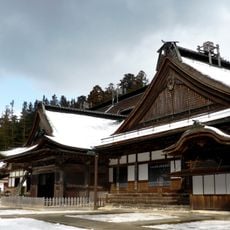
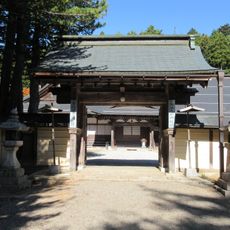
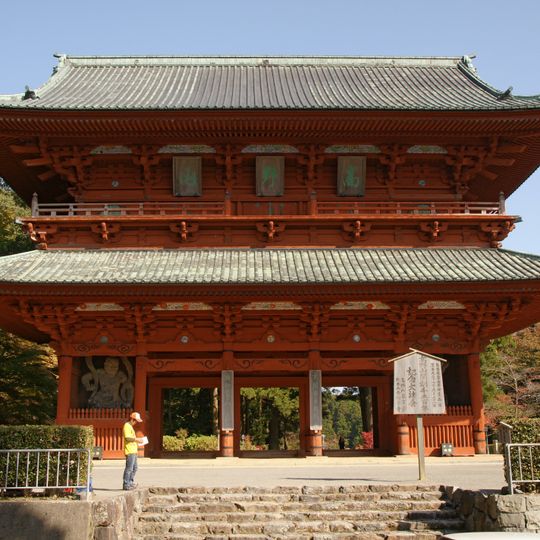
Mount Kōya is a temple settlement on a basin-like plain about 800 metres high in Wakayama Prefecture, ringed by eight peaks. Its core is the Danjō Garan hall complex, with the 48.5-metre Konpon Daitō pagoda at its centre, and the town grew around it with over a hundred sub-temples and a Buddhist university. The two-storey vermilion Daimon gate, rebuilt in 1705, marks the main entrance.
The monk Kūkai founded the first monastery here in 819 after choosing the location for its remote setting and the natural formation of the mountains. Over the centuries the site grew into the center of the Shingon school of Buddhism and attracted more temples and pilgrims.
The sanctuary takes its name from the eight peaks arranged like lotus petals around an inner basin, a shape that carries deep meaning in Buddhist symbolism. Monks live here following strict rules and share their daily routines with pilgrims who join morning prayers or stay overnight in one of the temples.
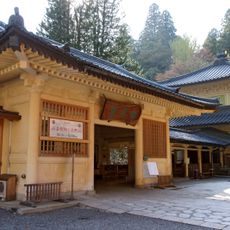
Around fifty temples offer overnight stays and serve traditional vegetarian meals prepared by monks. Visitors can join morning rituals and should bring warm clothing since the elevation brings cooler temperatures especially during the colder months.
The Okunoin grounds hold more than 200,000 burial sites and monuments that extend for several kilometers through an ancient forest leading to the mausoleum of Kūkai. Many Japanese choose to have their ashes placed here because they believe Kūkai remains in eternal meditation waiting for the arrival of the future Buddha.
The community of curious travelers
AroundUs brings together thousands of curated places, local tips, and hidden gems, enriched daily by 92,178 contributors worldwide.