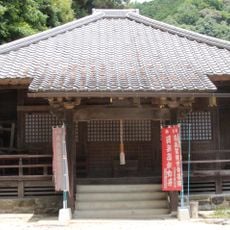
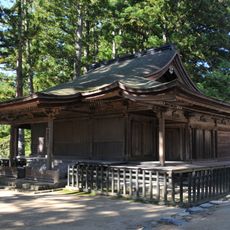
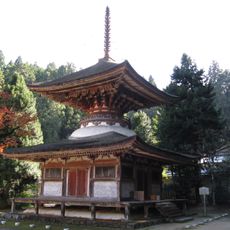
Tateri kōjinja, Shinto shrine in Nosegawa, Yoshino district, Nara prefecture, Japan
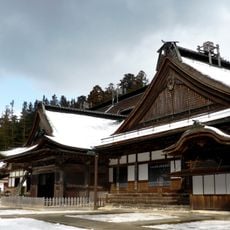
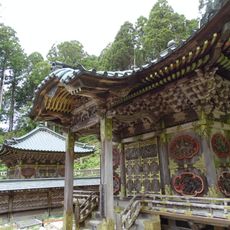
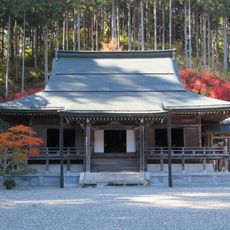
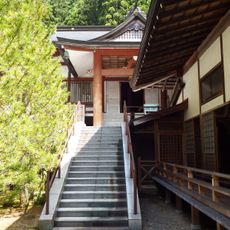
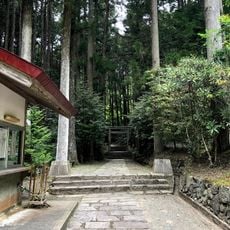
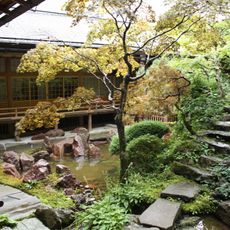
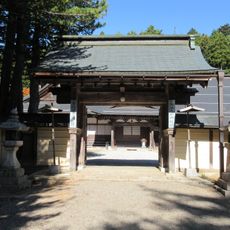
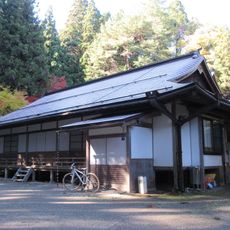
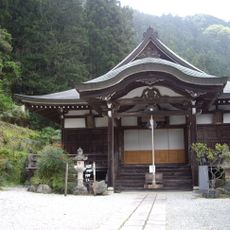
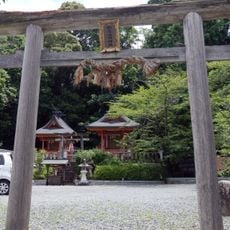
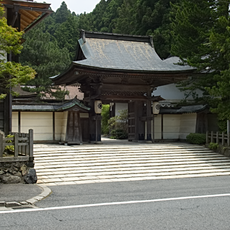
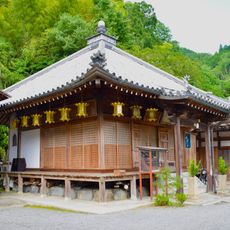
Tateri kōjinja is a Shinto shrine located in Nosegawa featuring the typical elements of a smaller sanctuary including a main hall, torii gate, and surrounding grounds. The site has a straightforward layout that is easy to navigate, with clear pathways leading through different sections.
According to the shrine's own record, the Sanbō Daikōjin Ryakuenki, Kūkai founded it around 800 while establishing Kongōbu-ji on Mount Kōya, painting a Sanbō Kōjin on a board and enshrining it at Kasayama Kōjin Shrine, then invoking the deity at the northeast corner of the altar. It was known as Hōshaku-in, a temple-shrine of the Shingon school linked to Kōya, until the anti-Buddhist measures of the early Meiji era closed the temple and moved its Buddhist images to Iketsugawa.
The shrine honours Hōndawake no Mikoto and Hōmusubi no Kami, deities of trade and of fire and the hearth, which is why people in fire-related trades and pilgrims to Kōyasan worship here. It is counted among Japan's three great Kōjin shrines and serves as the inner sanctuary of Kōyasan. The name Tateri comes from the mountain, Kōjin-dake, on whose summit the hall stands.
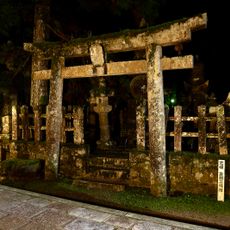
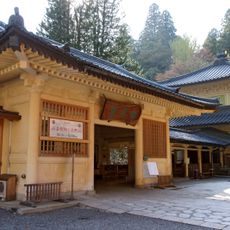
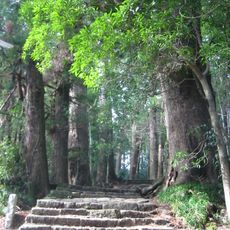
The shrine sits atop Kōjin-dake at 1,260 m, reached by about ten minutes of climbing through a row of torii from the prayer hall. A free large car park, a bus stop and one souvenir shop stand below. The Nankai Rinkan express bus from Kōyasan Station runs only on weekends and holidays, with one round trip in winter and two otherwise.
The shrine is one of the three great Kōjin shrines of Japan and serves as the inner sanctuary of Mount Kōya. Kūkai is said to have painted a Sanbō Kōjin on a board when founding the monastery, and until the early Meiji era the site was a temple called Hōshaku-in with a bell tower.
The community of curious travelers
AroundUs brings together thousands of curated places, local tips, and hidden gems, enriched daily by 93,600 contributors worldwide.