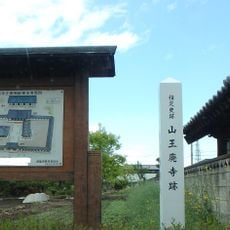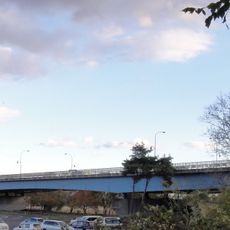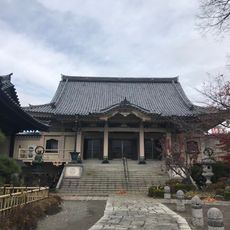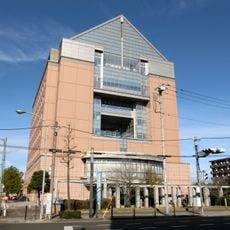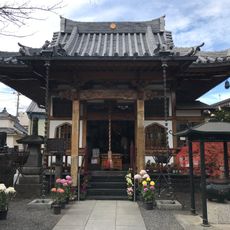
Jaketsuzan Kofun, Kofun burial mound in Sōja, Maebashi, Japan.
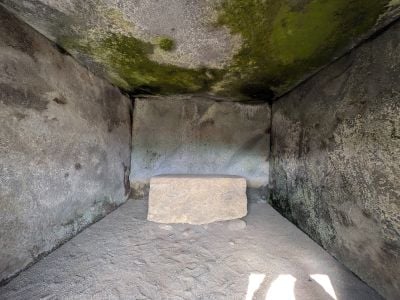
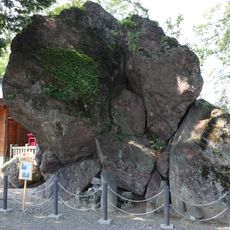
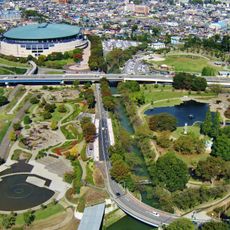
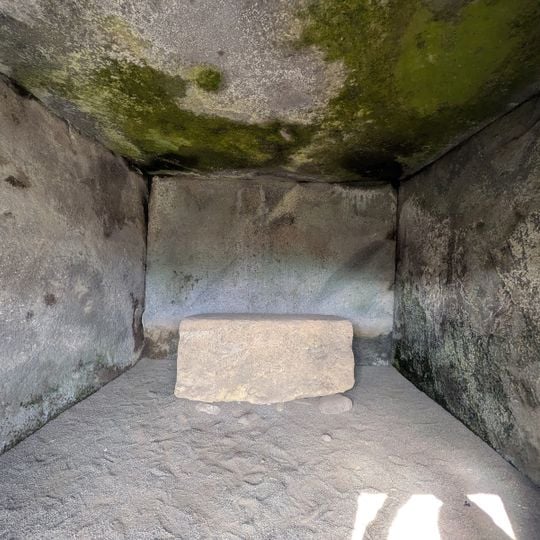
Jaketsuzan Kofun is a square burial mound in Sōja, Maebashi, built as a three-tiered step pyramid with sides of 44 meters and a height of 5 meters. Its main axis is tilted 13 degrees east of north. The mound is surrounded by a double moat, and the entire tomb measures 82 meters per side. The burial chamber is a two-sleeve horizontal stone chamber opening to the south-southwest, made of cut andesite blocks with a sandstone slab possibly used as a coffin stand.
This burial mound was built between the late 7th and early 8th centuries, marking the final period of this type of mound construction. The use of large andesite boulders and sandstone reflects the building practices of that late era.
The name Jaketsuzan comes from a snake carved into the back wall of the burial chamber during the Kanbun era (1661–1673). By the 14th century the mound was already described in the Shintōshū as the "snake-eating pond's island cave", suggesting the moat had been reworked into a pond. The Sōja Kofun Cluster, including this mound, became a National Historic Site in 1974, expanded in 2021 and renamed in 2024.
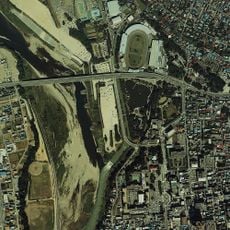
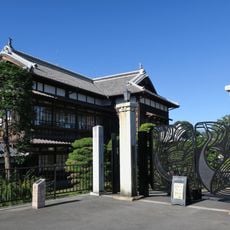
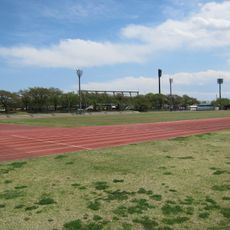
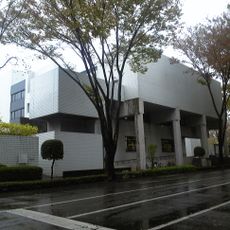
The site is about a 20-minute walk from JR East's Gunma-Sōja Station on the Jōetsu Line. The Sōja Historical Museum displays scale models of the mound and its stone chamber. The mound and its double moat lie in an open area; paths are unpaved.
The chamber's seven cut stones include door jambs carved with pillars and a lintel with a cusped niche, suggesting a now-missing closing slab. The walls were lightly water-polished and coated with plaster, and a tuff block near the back wall is thought to be a coffin stand.
The community of curious travelers
AroundUs brings together thousands of curated places, local tips, and hidden gems, enriched daily by 93,309 contributors worldwide.