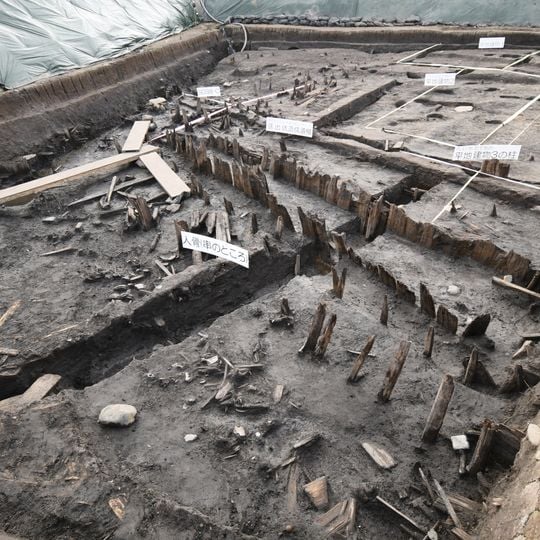
Aoyakamiji Site, Archaeological site in Tottori, Japan.
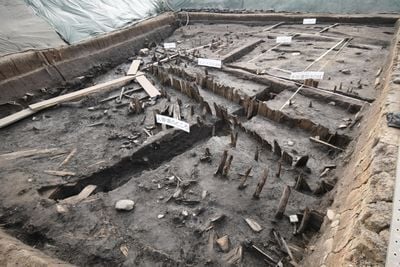
The Aoyakamiji Site encompasses extensive archaeological remains from the Yayoi period, featuring well-preserved foundations of pillar-supported structures, underground storage pits, and surrounding paddy fields spanning over 55,000 square meters across the ancient settlement area.
Inhabited from the 2nd century BC to the 2nd century AD during the Yayoi period, the site was discovered during road construction and officially designated as a National Historic Site of Japan in 2008 due to its exceptional archaeological significance.
Over 1,350 artifacts from the site have been designated as Important Cultural Properties, including wooden tools, pottery, metalware, and over 5,300 human skeletal remains that provide valuable insights into ancient Japanese settlement life and cultural practices.
The site features a modern museum facility where excavated items are stored and exhibited, providing educational opportunities for visitors since the original ruins have been backfilled following the completion of archaeological excavations.
The site yielded a 120-centimeter wooden shield painted with green pigment, representing the earliest recorded use of green coloring in East Asia, along with preserved brain tissue from Yayoi period remains due to exceptional conservation conditions.
The community of curious travelers
AroundUs brings together thousands of curated places, local tips, and hidden gems, enriched daily by 91,658 contributors worldwide.